
Advancing Conversations on Rematriation in Sāmoa, New Zealand, and Germany
by Ruby Satele
The month of May 2026 was an important time for me in the expansion of research on the rematriation of ancestors who were removed from their homelands and placed in museums and universities across Europe. Through presentations, interviews, and meetings in Sāmoa, New Zealand, and Germany, I – and everyone with whom I engaged – had the opportunity to contribute to growing international conversations about the return of ancestors and the responsibilities of the institutions that continue to hold them.
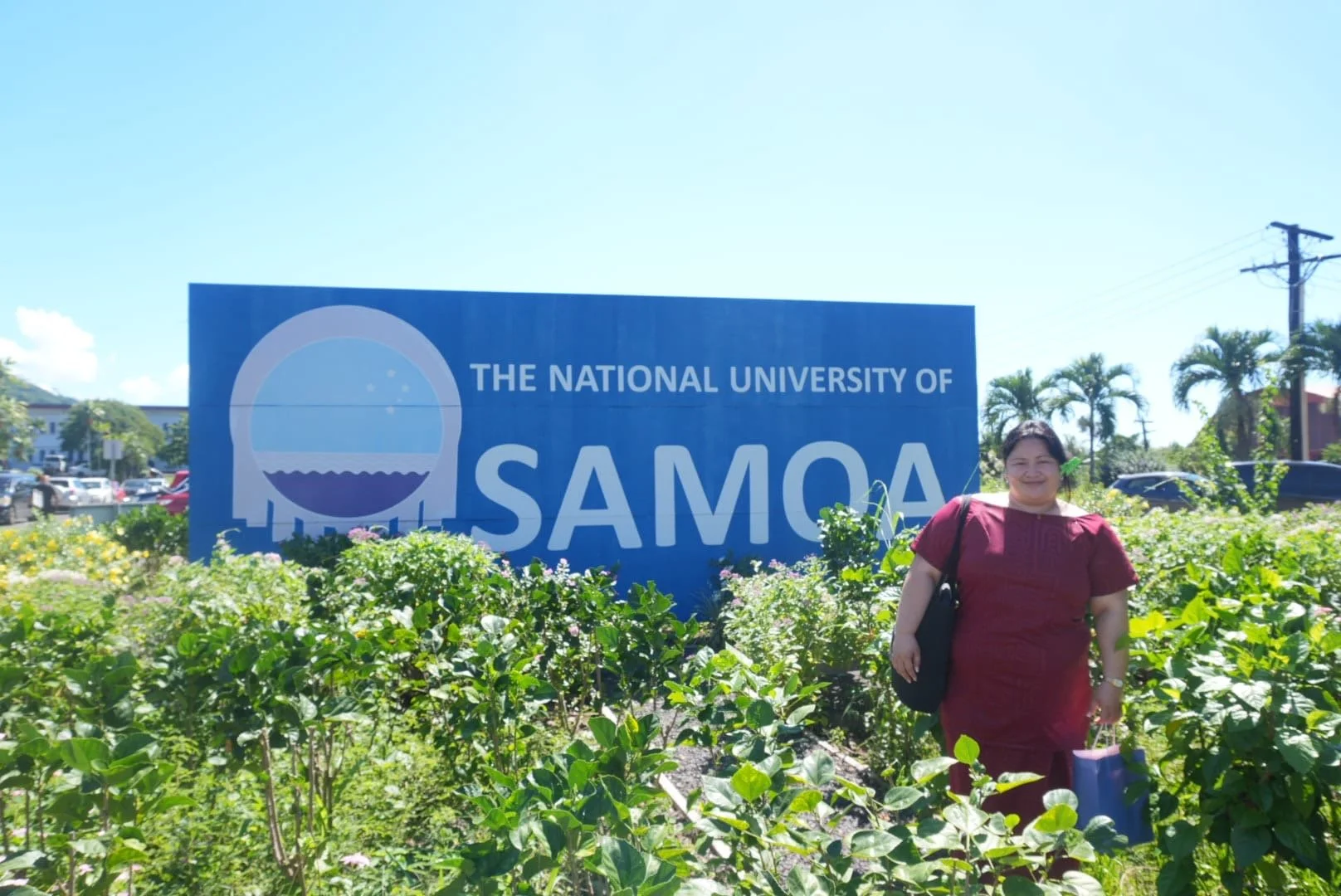
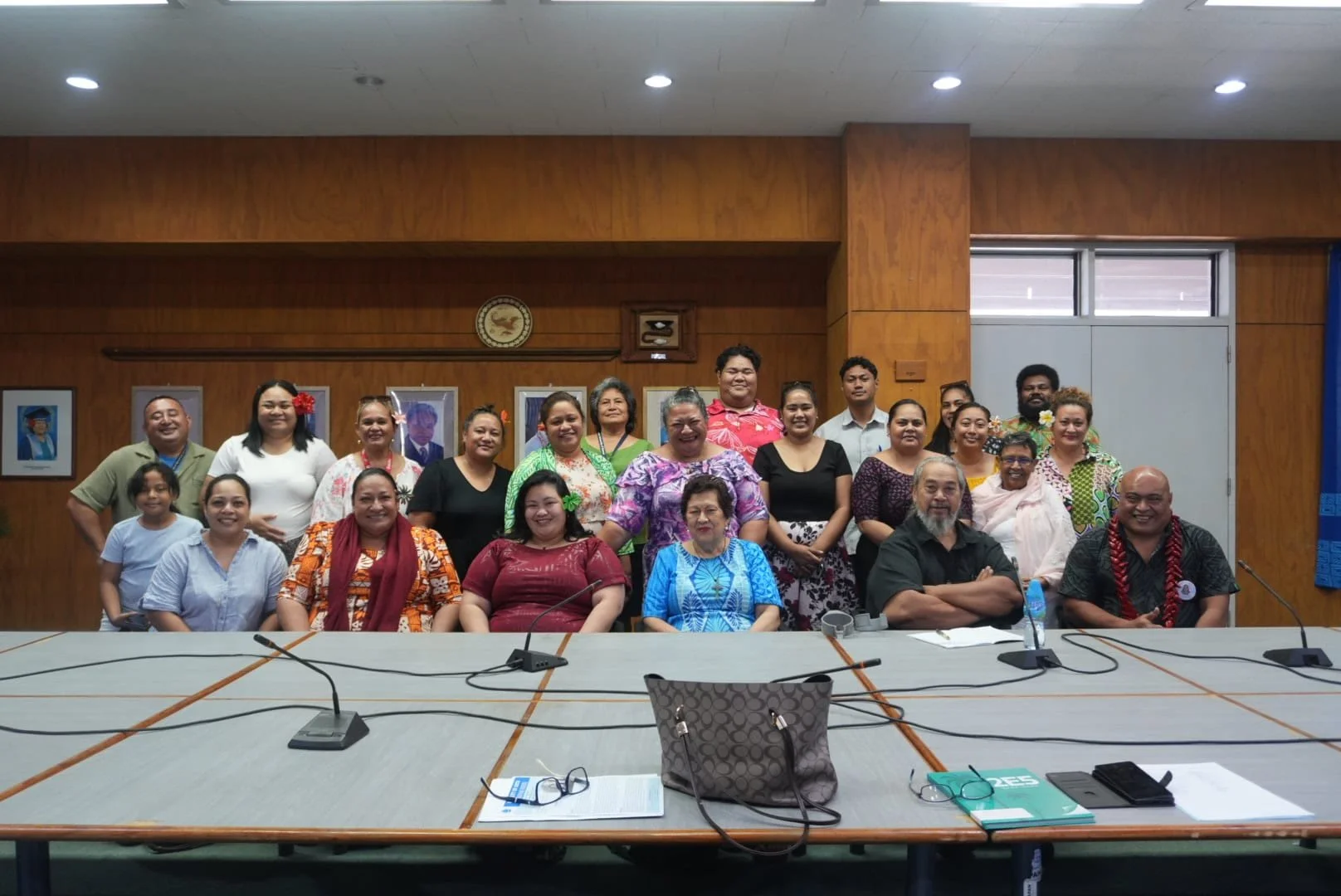
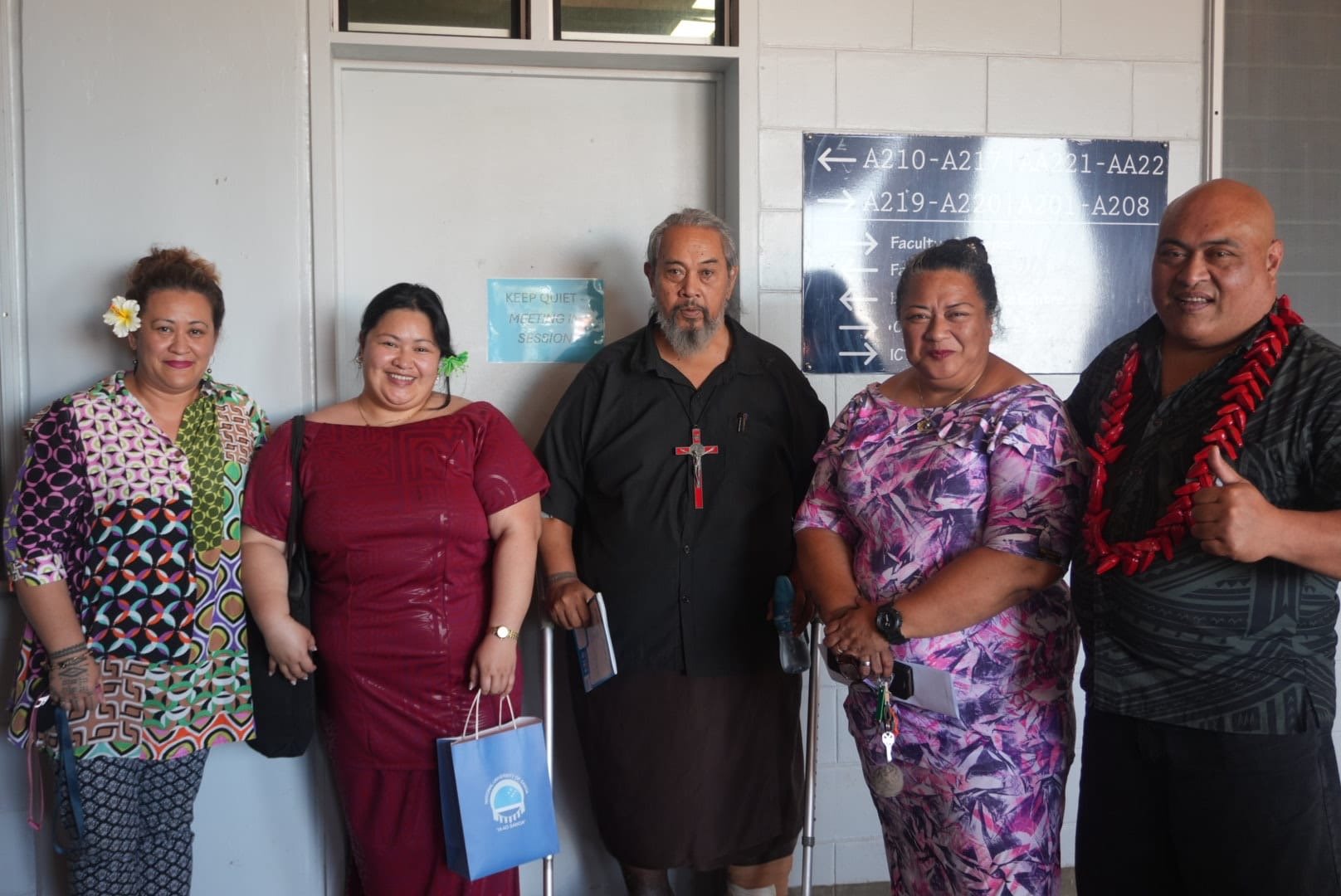
Seminar at the National University of Samoa
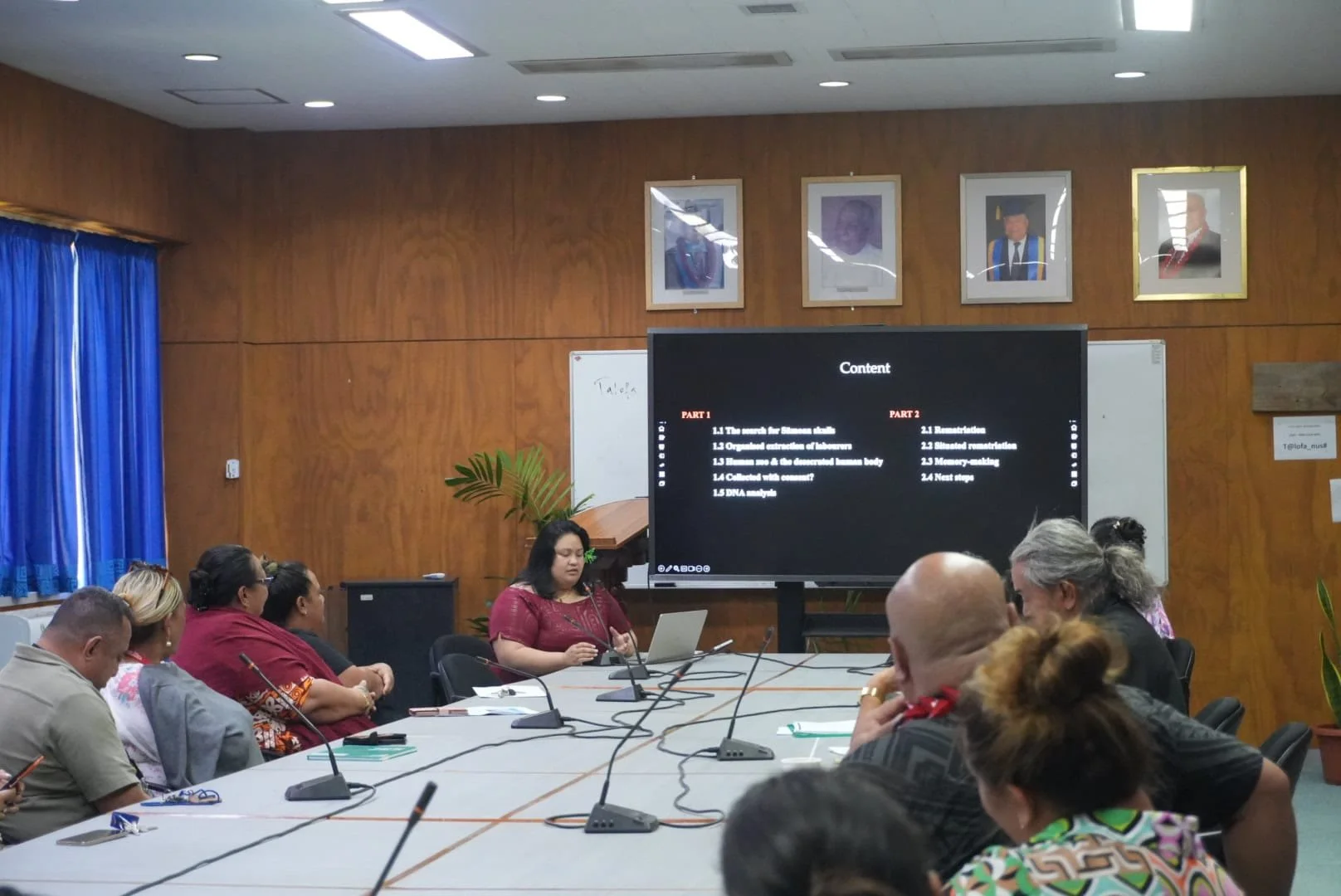
In Apia, Sāmoa, I presented a seminar at the National University of Samoa on 8 May titled Rematriation and Memory: Ancestors from Sāmoa in Museums and Universities.
The seminar explored the histories of Sāmoan ancestors whose bodies were permanently removed from communities and became objects of scientific collecting practices. For many attendees, this was the first time they had encountered these histories. Some were visibly unsettled by the realities of how ancestral remains were collected and studied, reflecting the emotional weight of these histories. The presentation brought forth thoughtful discussion, with participants offering valuable insights, reflections, and feedback that will continue to shape my research.
Meeting with the Prime Minister of Sāmoa
A significant outcome of my visit to Sāmoa was meeting with the Honourable Prime Minister of Sāmoa, Laʻaulialemalietoa Leuatea Polataivao Fosi Schmidt, on 12 May.
Approximately one month before travelling, I wrote to the Prime Minister’s office requesting an opportunity to discuss my research. The aim was to raise awareness of the growing number of European institutions that are prepared to return Sāmoan ancestors and to discuss what future rematriation efforts may involve.
During the meeting, I shared an overview of my research and the current landscape of rematriation. The Prime Minister asked several questions to better understand the historical and diplomatic context, noting that he had not previously been aware of these matters. He agreed that action is needed and that Sāmoan ancestors should be returned home.
Importantly, he encouraged me to continue the PhD research and identified a key task that could move the conversation forward: determining the identities of the ancestors. He acknowledged that rematriation would ultimately require diplomatic engagement and cooperation between governments and institutions.
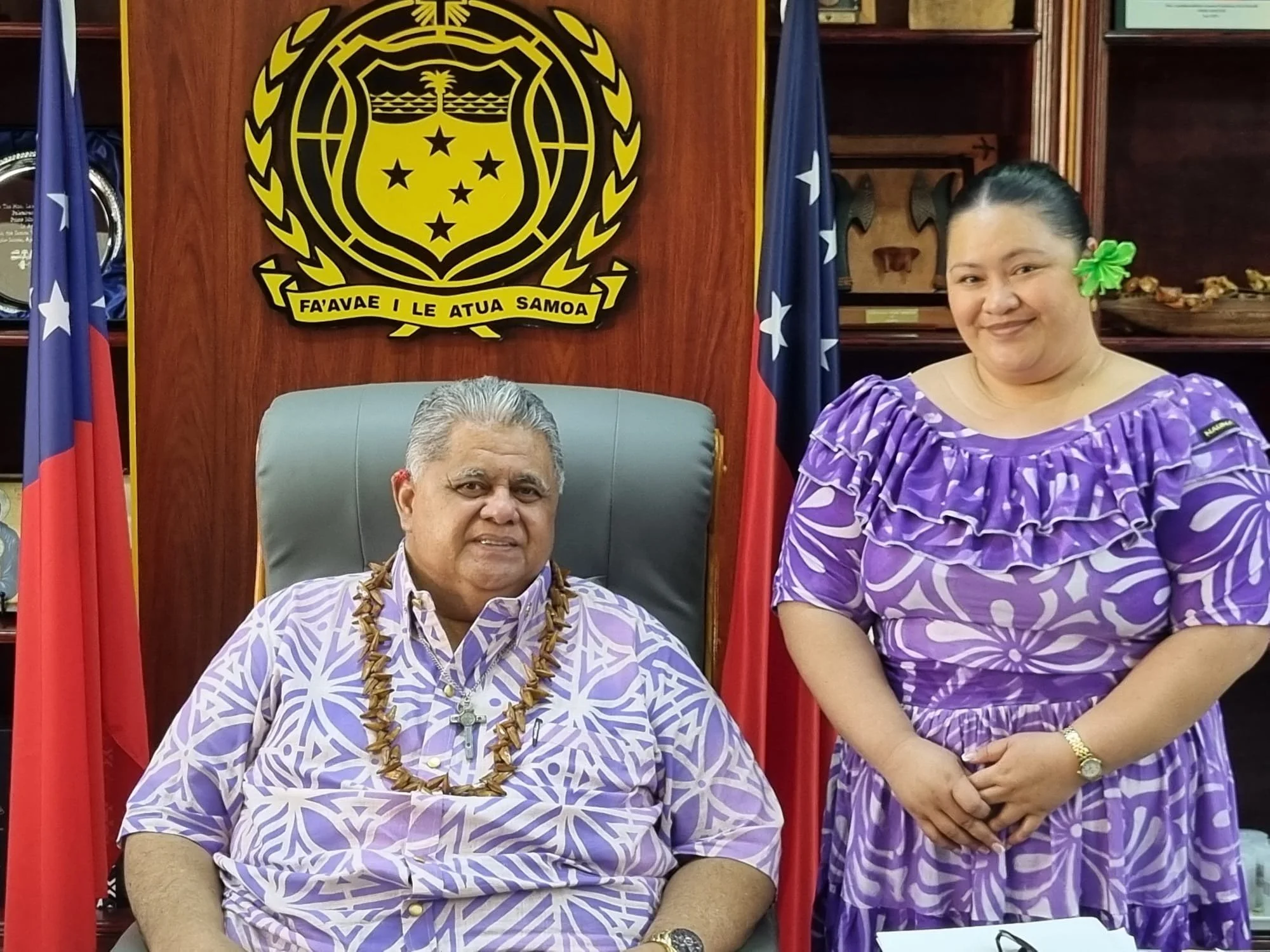
The Prime Minister of Samoa, Laʻaulialemalietoa Leuatea Polataivao Fosi Schmidt and Ruby Satele.
Interviews in Sāmoa and New Zealand
Three interview participants were engaged in discussing the research. New thread of conversation have since surfaced. This includes the thoughts behind keeping hair upon death, living with the presence of ancestors in Sāmoan daily life, and the impact of religious institutions in complicating Sāmoan customs, including funerary practices.
Highlighting Papua New Guinea Ancestors
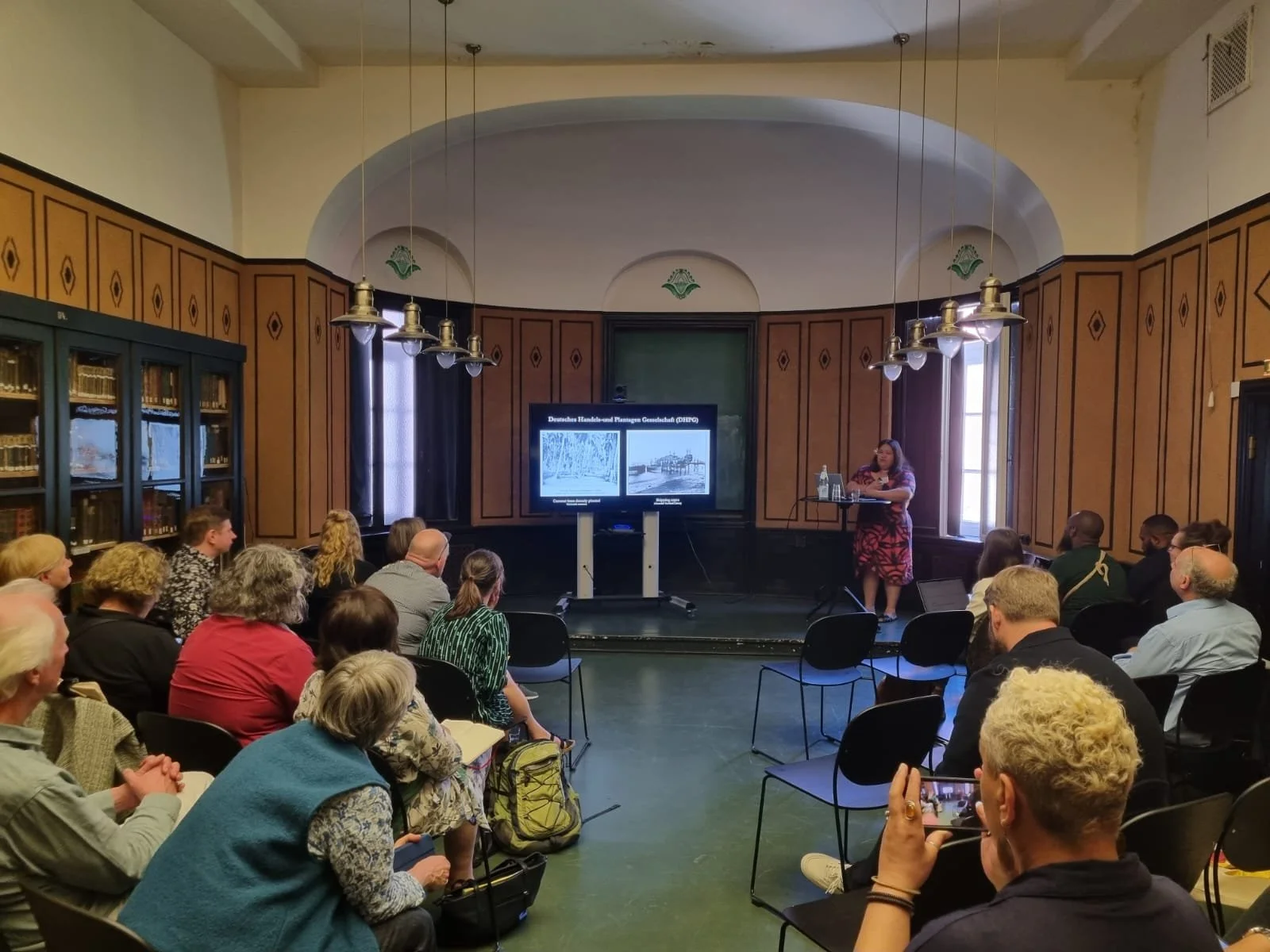
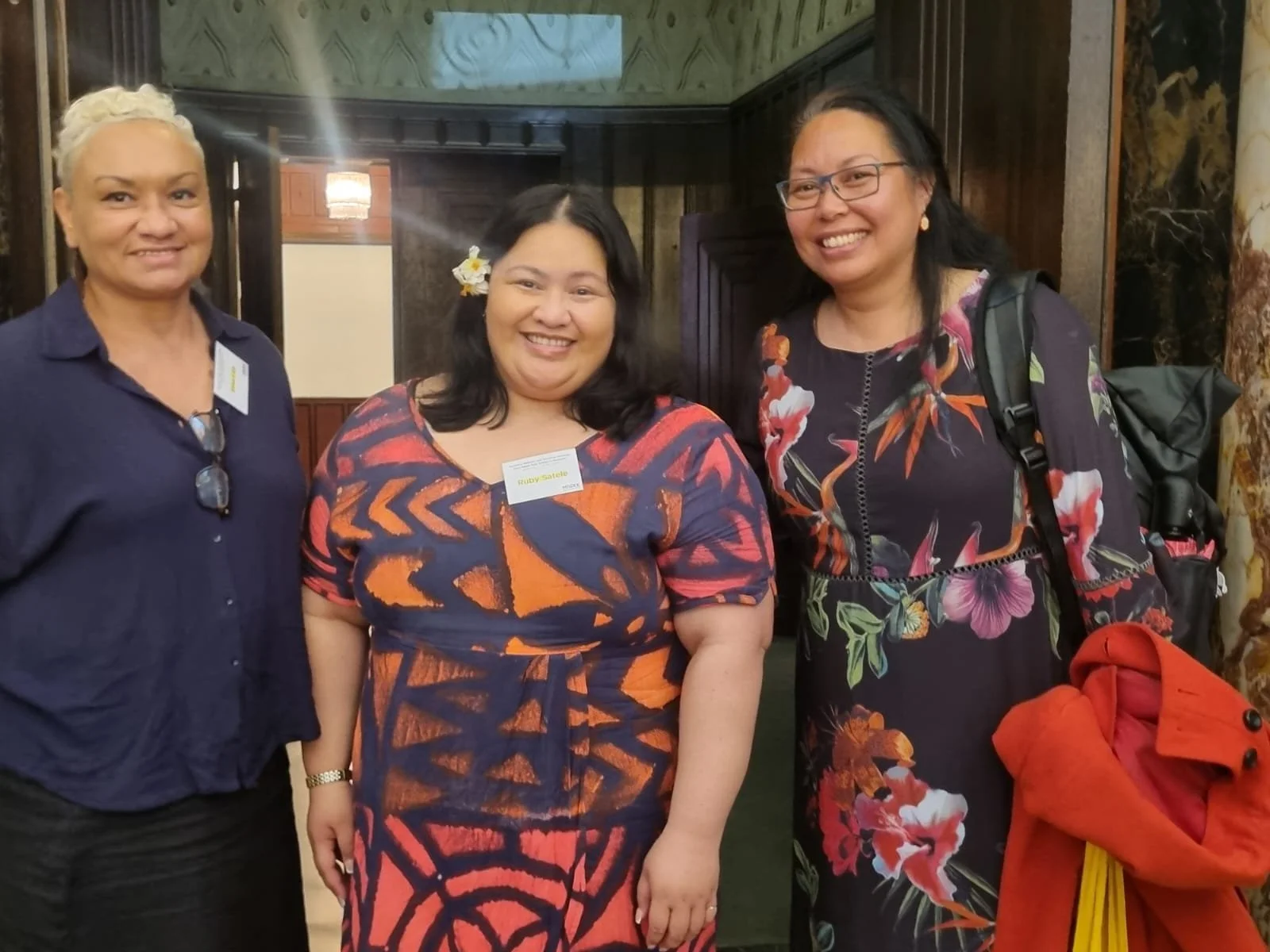
Later in the month of May, I travelled to Hamburg, Germany, to participate in the workshop Ancestral Remains and Sensitive Holdings from Papua New Guinea in Museums, hosted by the MARKK Museum am Rothenbaum.
I was invited to present my research on Papua New Guinea (PNG) ancestors, which I presented under the title Teine ma Tama Uli: The Removals of Papua New Guinea Ancestors from Homelands and Sāmoa. The presentation examined the experiences of PNG labourers in Sāmoa and traced how the bodies of individuals who had been buried there were later exhumed for scientific research and museum display. The plantation labour is intricately tied to the extraction of PNG ancestors, providing a way to dissect the extraction that took place.
This was the first time that I focused exclusively on PNG ancestors in public presentation. The histories surrounding these removals remain largely obscured within PNG scholarship and public awareness. Following the presentation, several workshop participants expressed their appreciation for the research and highlighted the importance of bringing these lesser-known Pacific histories into broader discussions about ancestral remains and repatriation.
Looking Ahead
All engagements reinforced the importance of continuing research into the histories of Pacific ancestors held in museums and universities. Whether through public seminars, diplomatic conversations, or international workshops, there is growing recognition that these histories must be acknowledged and that pathways for rematriation must be a conversation, even if communities do not desire for their return now (a complexity not fully recognised), future generations may wish to in the future. The work ahead remains significant, but these conversations demonstrate an increasing willingness among communities, governments, and institutions to engage with these responsibilities.
My sincere thanks to the European Research Council (ERC) for supporting this research trip and my participation in the workshop, and to the MARKK Museum for making it possible for me to take part in this important gathering.