
Axé – Art and Spirituality in the Black Diaspora
Conference Recap
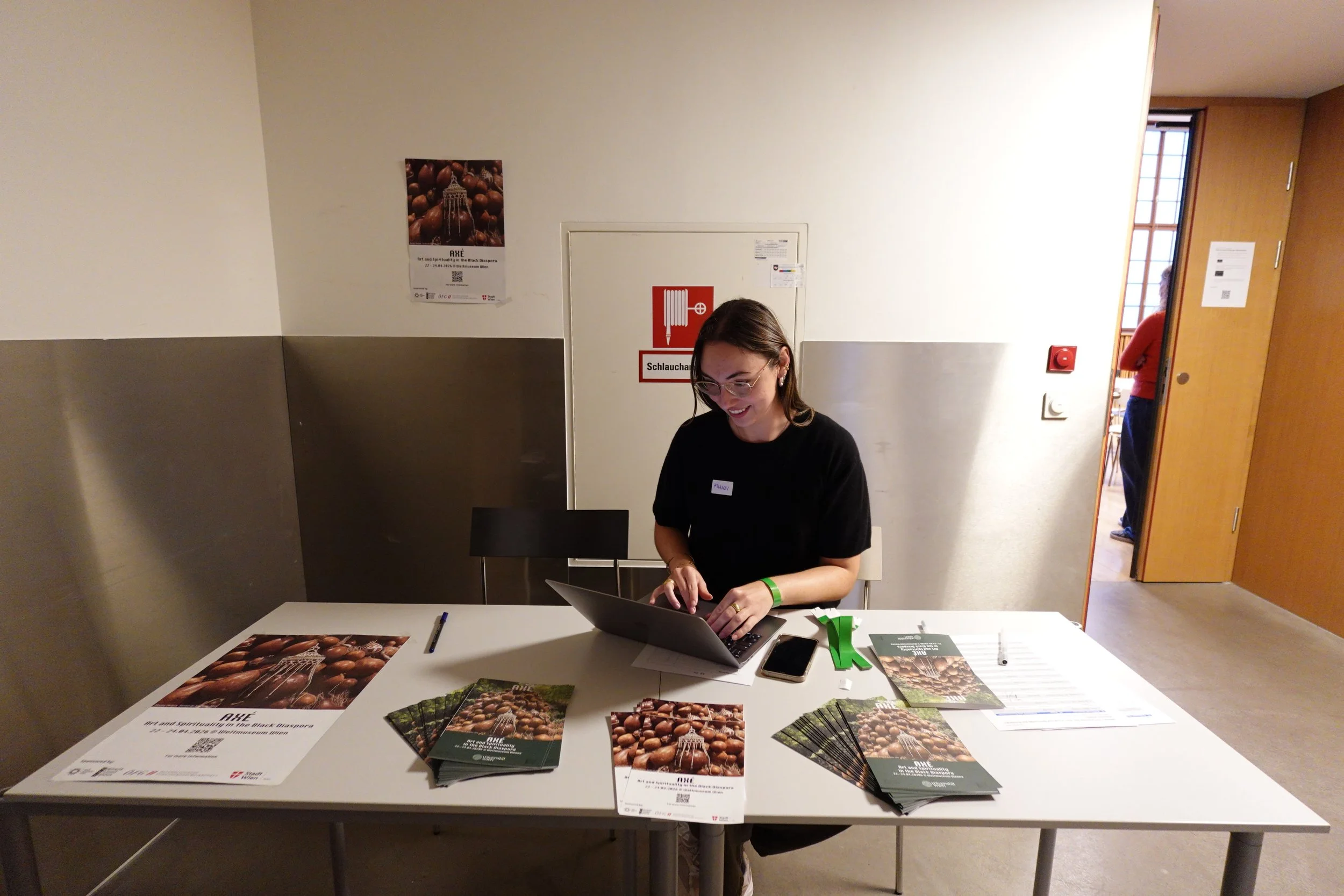
From 22–24 April 2026, the conference Axé – Art and Spirituality in the Black Diaspora took place at the Weltmuseum Wien, bringing together scholars, artists, practitioners, and independent researchers from Europe, Africa, and the Americas. Organized by Mariama de Brito Henn and Luisa Karman, the conference created a vibrant interdisciplinary space for exchange around spirituality, memory, art, and diasporic knowledge systems rooted in the histories of the transatlantic slave trade.
Over the course of three days and six panels, participants discussed how spiritual concepts such as Axé continue to shape artistic practices, ritual life, cultural memory, and forms of care within the Black diaspora. Discussions addressed contested collections and practices of object and spiritual care, songs and musical instruments as archives, ritual material culture ranging from food to textiles, ancestral epistemologies, and the intersections of art and spirituality. Throughout the conference, speakers highlighted living knowledge systems, embodied practices, and diasporic continuities, while critically reflecting on colonial histories, repair, and the politics of memory.
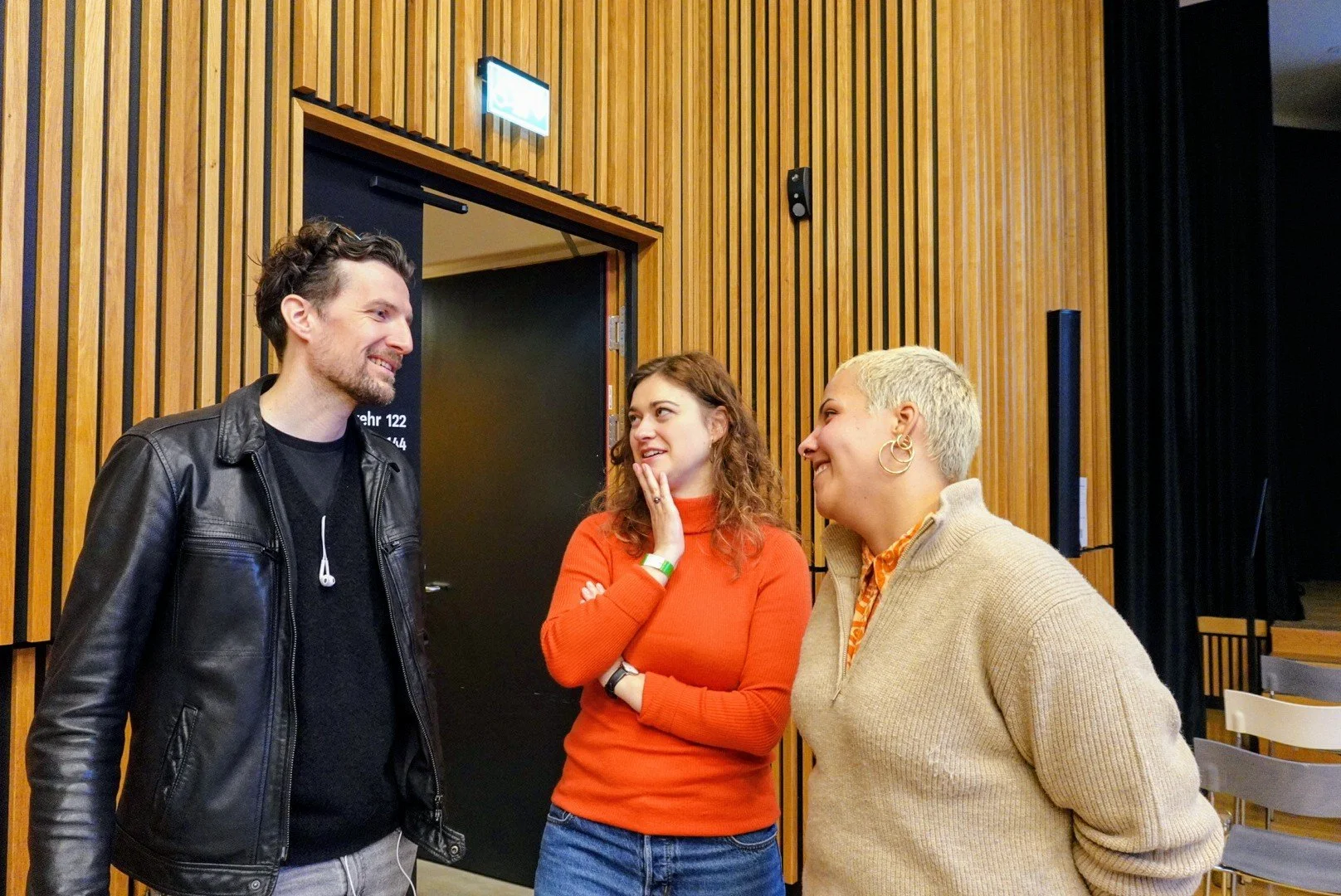
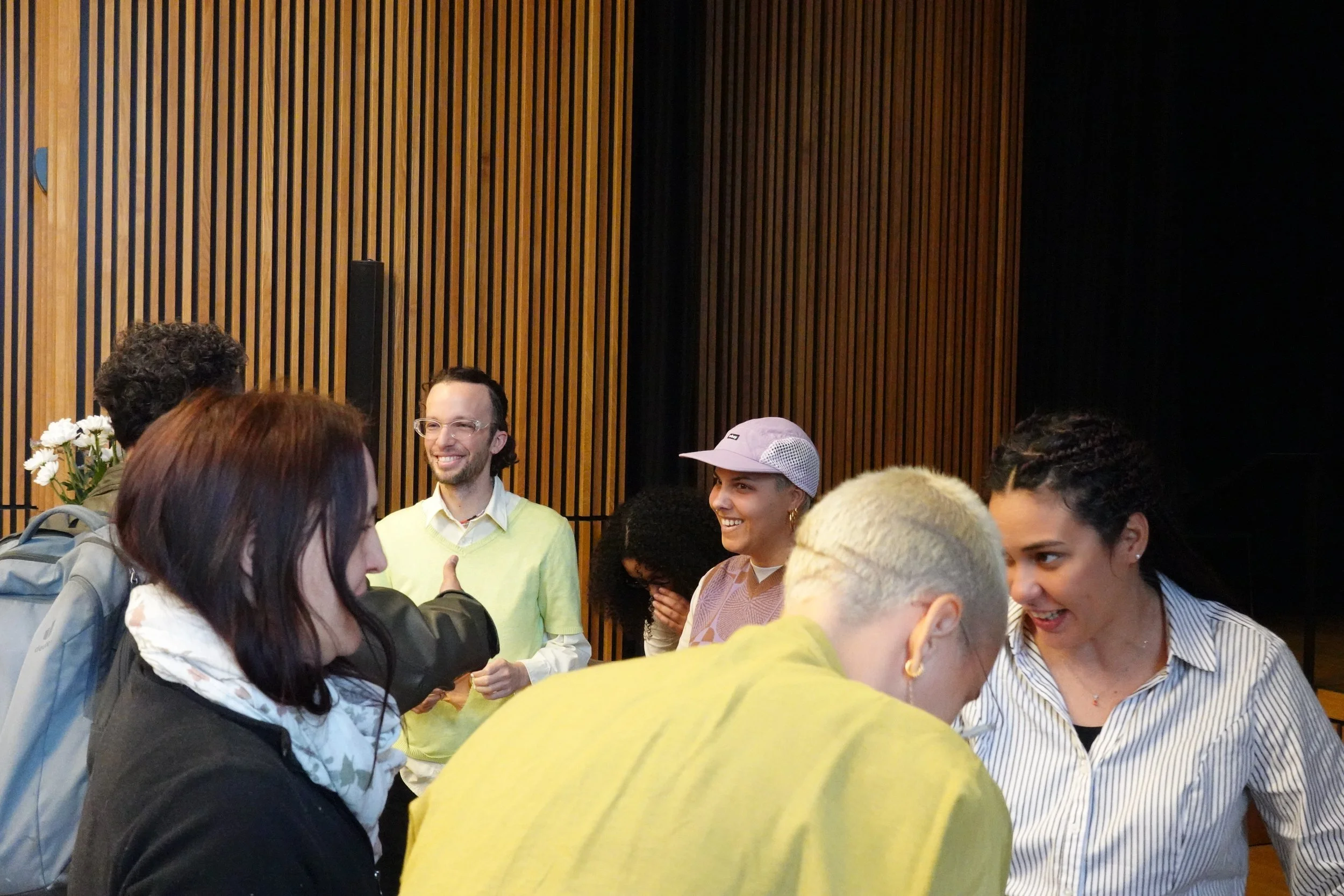
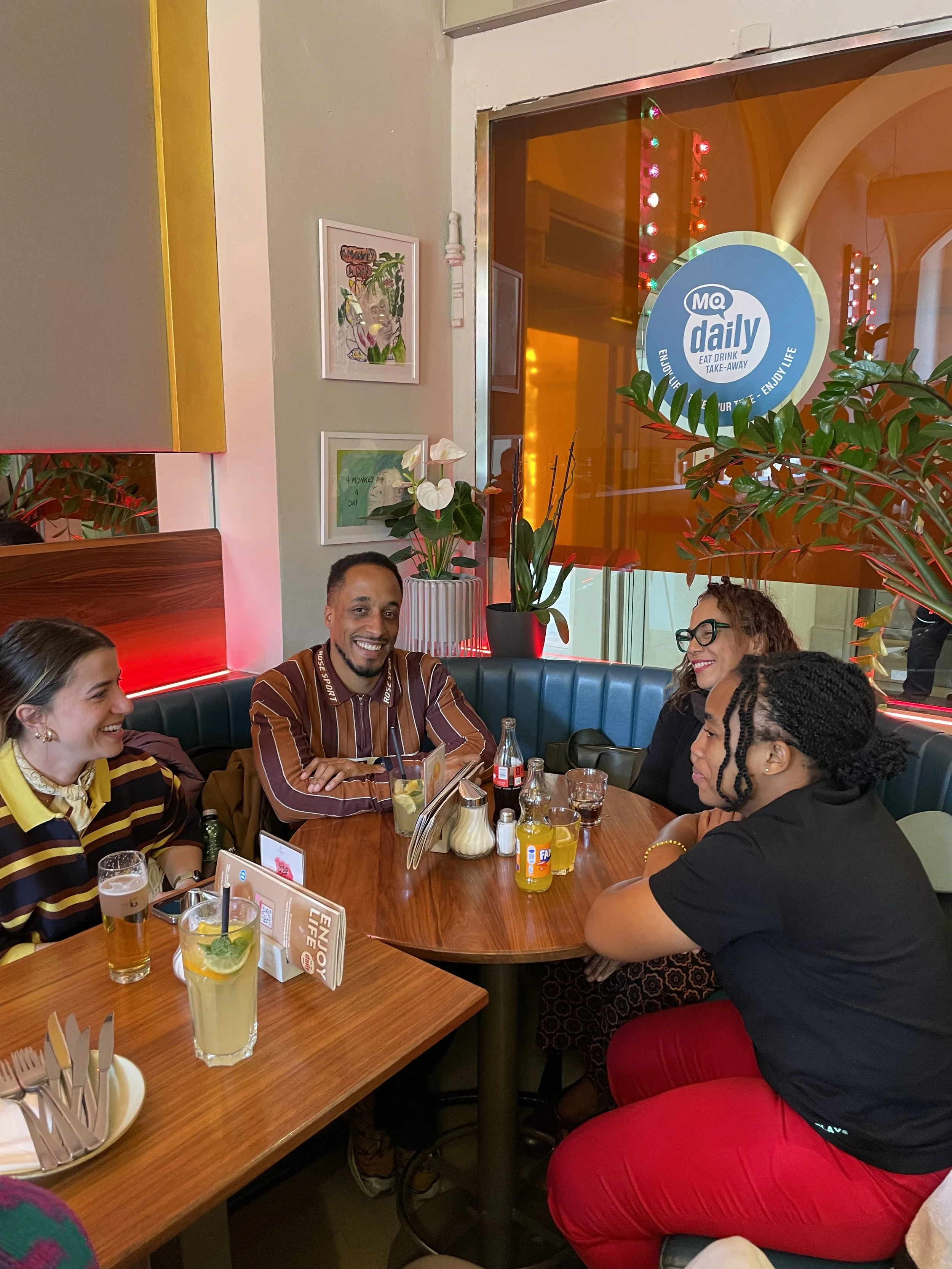
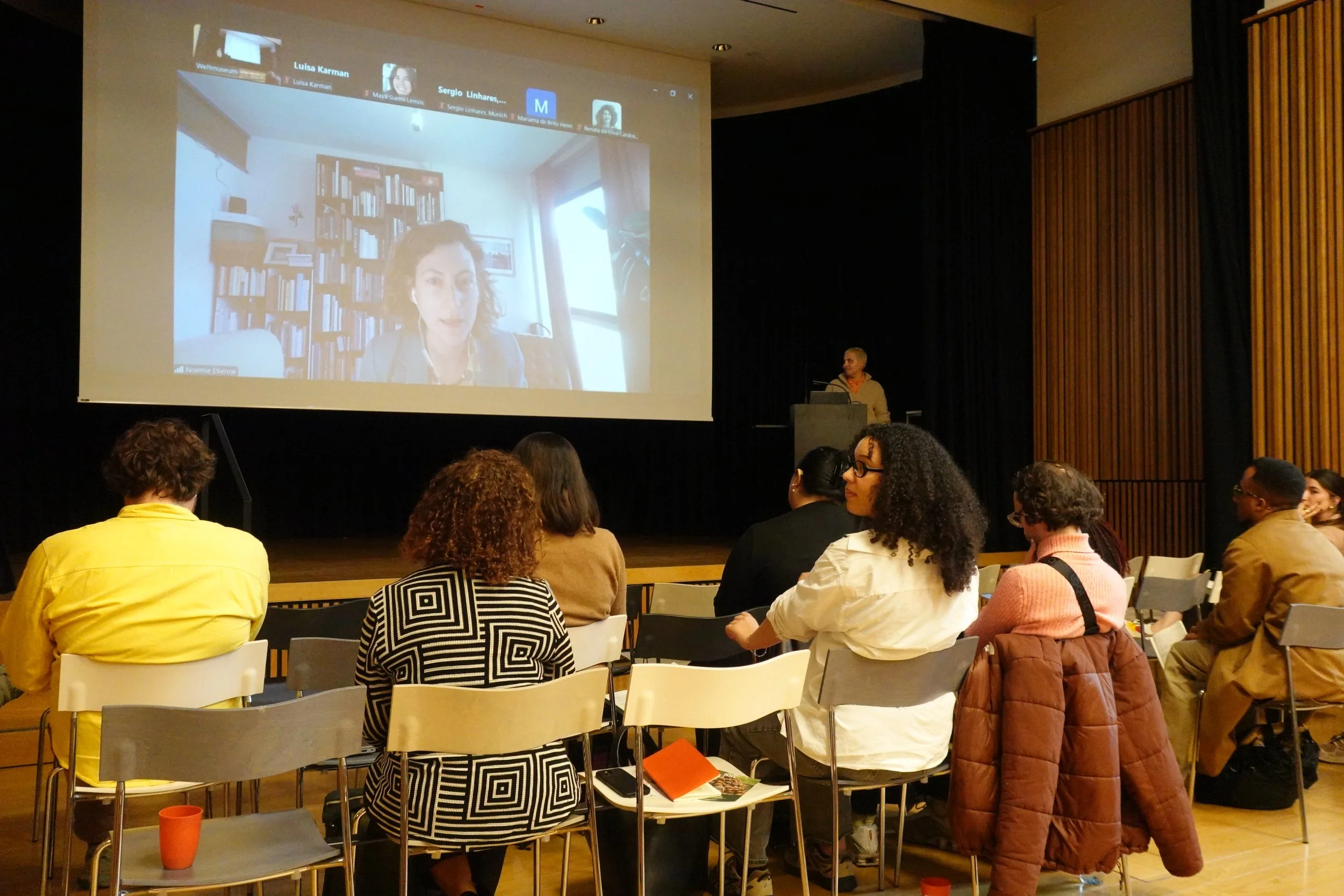
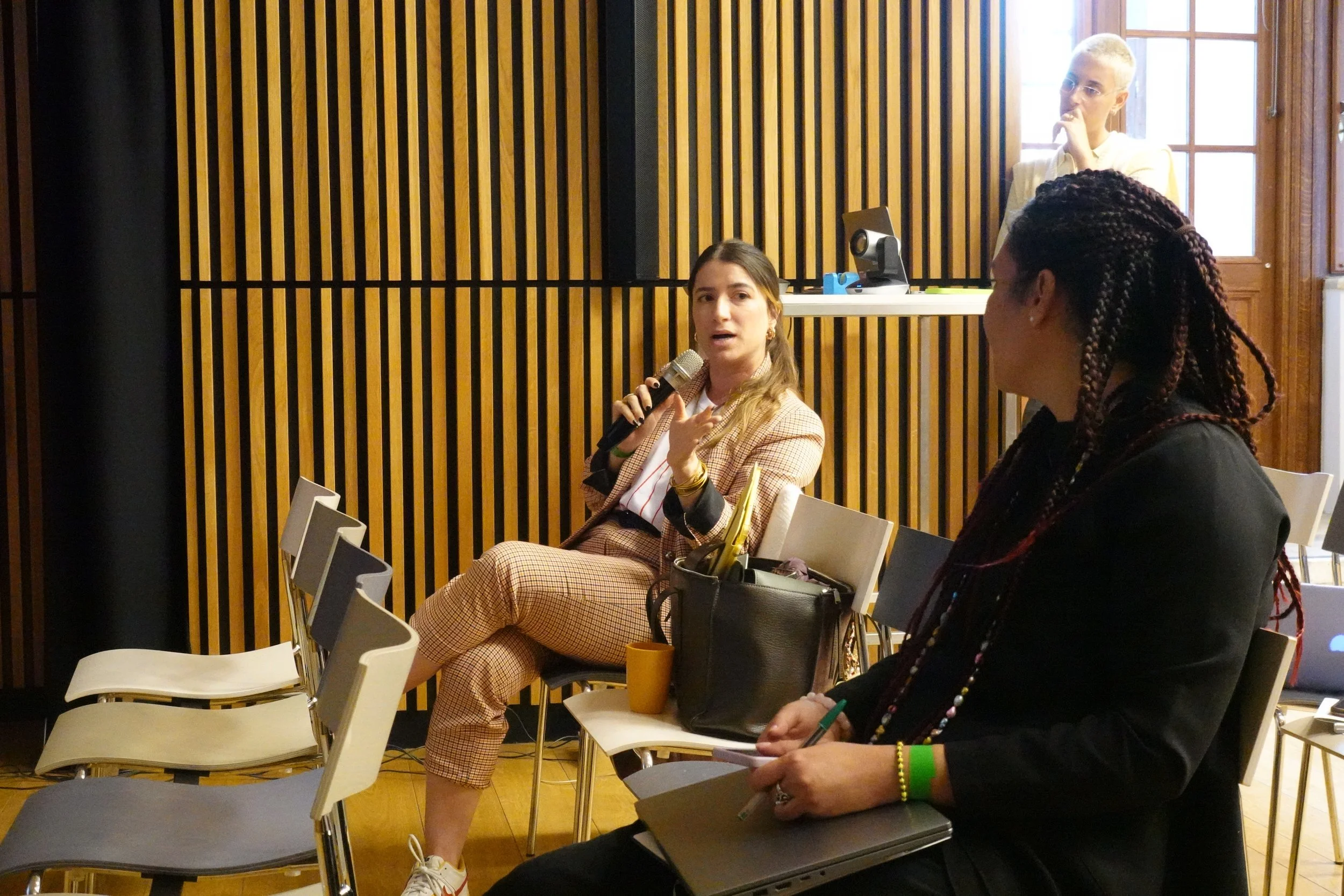
The gathering was marked not only by academic exchange, but also by moments of shared emotion and connection. Stories and voices spanning generations and geographies resonated throughout the conference – from children occasionally audible in the background of online presentations to elders and knowledge keepers sharing lived experiences and ancestral wisdom. Participants reflected on questions of belonging, cultural pride, collective struggle, and hopes for more just futures.
As audience participant Annina Pandiani reflected in her recap of the panel Art and Spirituality:
“Throughout the conference it was demonstrated, how theoretical concepts of non-linear temporalities holding Axé are lived and embodied in ritual practices to continuously update ancestrality in the Black diaspora. Several contributions of the conference showed, how Black diasporic spiritual knowledge is combined with art historical research to interpret works of contemporary art, acknowledging the spirituality the artworks potentially transport.”
She further highlighted continuity and activation as central themes running through many of the presentations:
“Rather than just leaving these photographic prints encapsulated in their contested history and isolated in the archives, visual anthropologist Julia Alexandra Richard suggested pragmatic approaches on how to mark photography as a continuous process.”
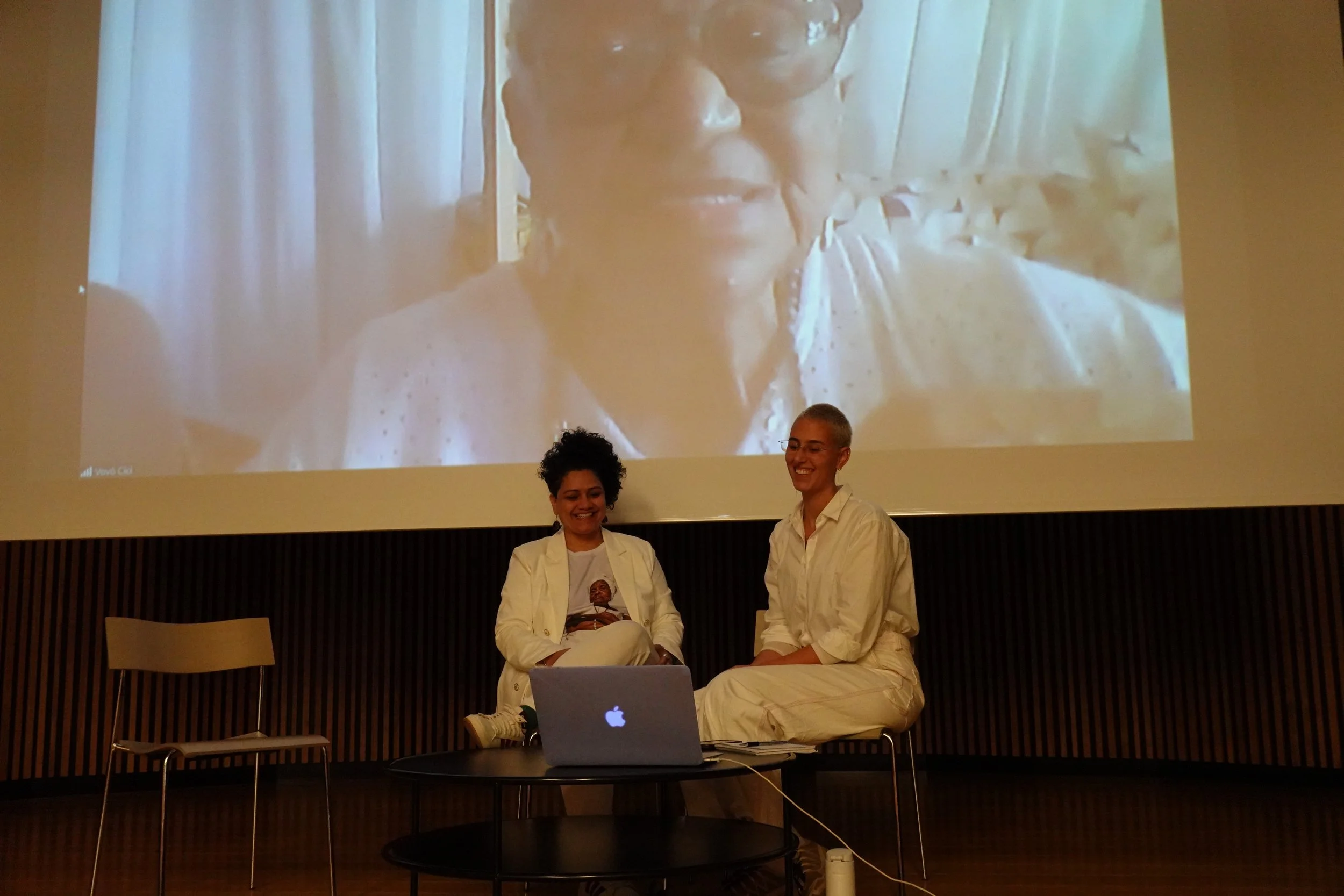
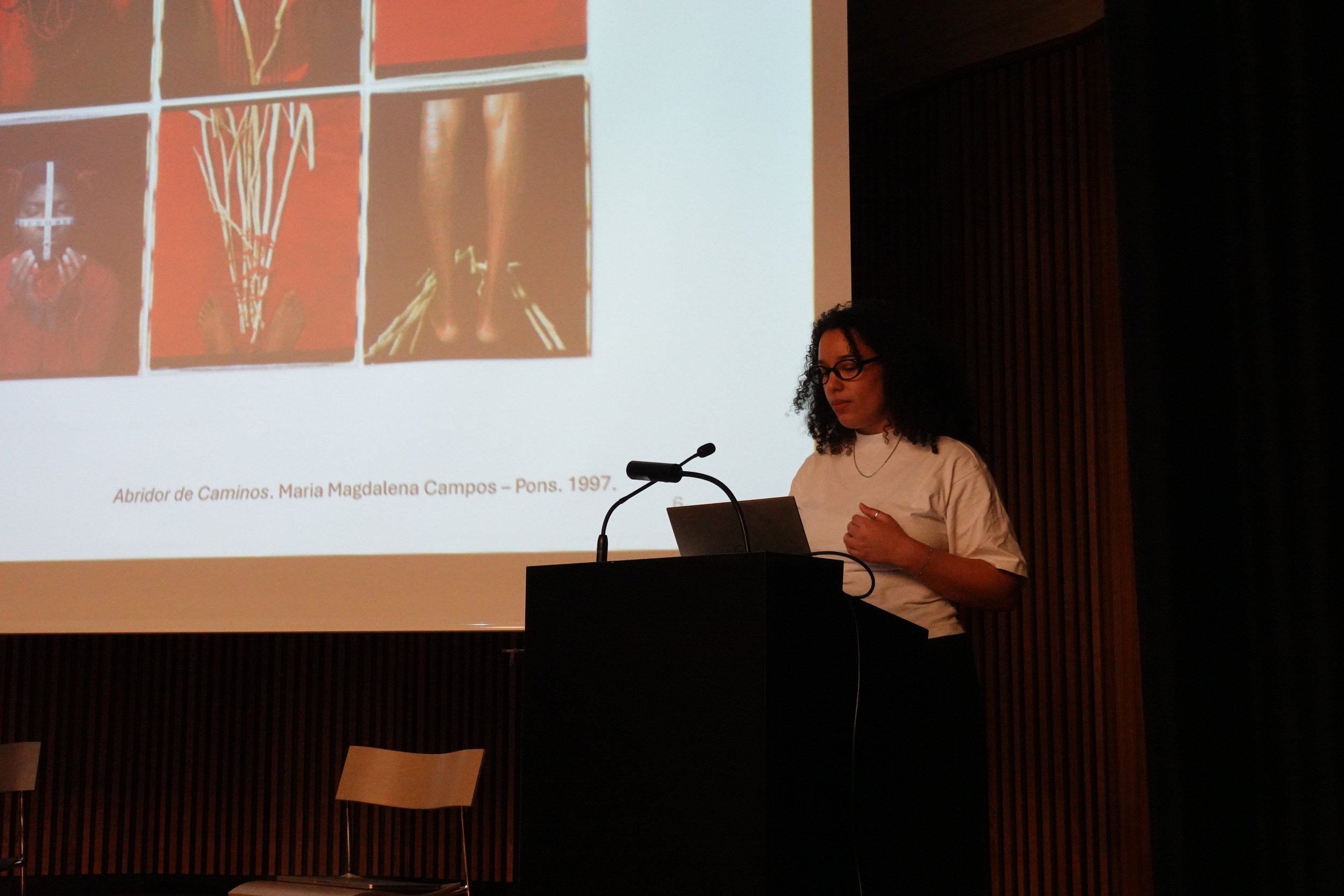
Annina also reflected on Mariama de Brito Henn’s discussion of late nineteenth-century photographs depicting female Santería practitioners in ritual dress, emphasizing how such images continue to shape diasporic identities and embodied practices today through lived traditions and ritual performance.
Audience member Alisa Santikarn reflected on the presentation by Oliver Antczak and co-authors, which examined the concept of asé as a lens through which to understand heritage significance in Latin America:
“Oliver Antczak and co-authors examined the concept of asé as a lens through which to understand heritage significance in Latin America, drawing on case studies from Venezuela and Brazil. In Venezuela, the toppling of Columbus' statue and its replacement with one of Cacique Guaicaipuro, alongside public discourse on the spiritual potency of Hugo Chávez's statue, illustrated how statues are understood not as inert objects but as living vessels of memory and agentic power — a perspective that fundamentally challenges Eurocentric assumptions about material heritage. In Brazil, sites such as the Valongo Wharf and the ruins of the Terreiro da Goméia demonstrated that physical decay does not diminish — and may even intensify — a site's heritage significance, as the community's ritual practices and ancestral relationships continue to sustain its meaning.
Revisiting, and re-activating sites was an essential role asé played in the examples from Brazil, where ‘conservation’ was reframed as a continual and reciprocal relationship, sustained through asé and the orishas inhabiting these spaces. Across both contexts, the authors argued that asé dissolves a Eurocentric separation between materiality and spirituality, recasting heritage not as a static record of the past but as a living, relational, and continually renewed network of ancestors, bodies, rituals, and architecture.
The uses of asé in Venezuela and Brazil raised an important point of comparison: asé was used to bring people together and add positive meaning to place (although targeted by anti-black and religious hate) in Brazil, while it was mobilised to ‘harm’ a political regime through the toppling of statues (and is deeply entwined with xenophobia and religious fearmongering) in Venezuela. Therefore, the talk demonstrated how, while asé can be a source of community empowerment, its entanglement with political actors means that attacks on political figures can become attacks on Afro-Indigenous heritage itself, leaving these spiritual traditions — already marginalised — vulnerable to further targeting. The talk concluded with the question of whether asé can be extended beyond these local cases, to help expand the ways we understand heritage more broadly.”
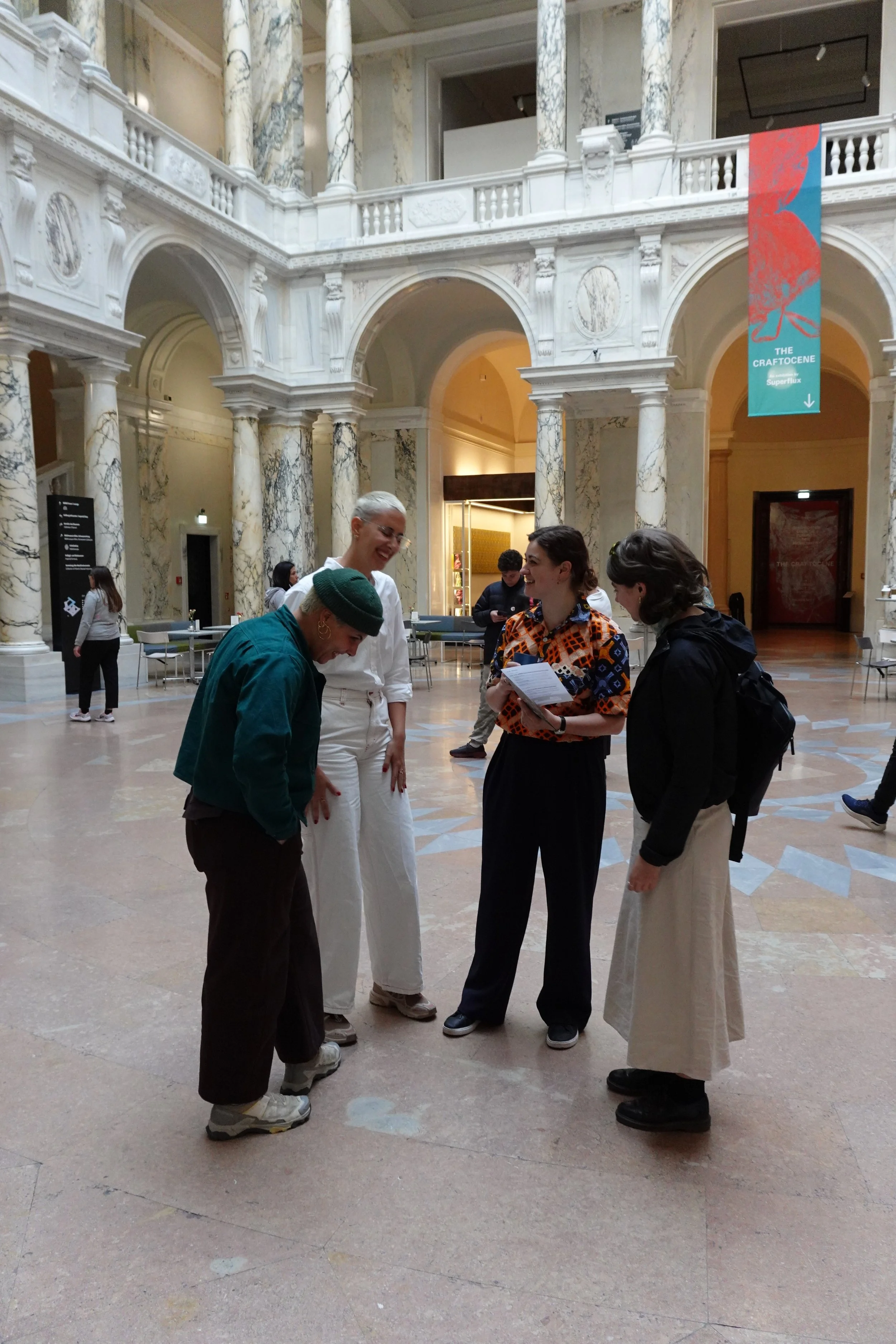
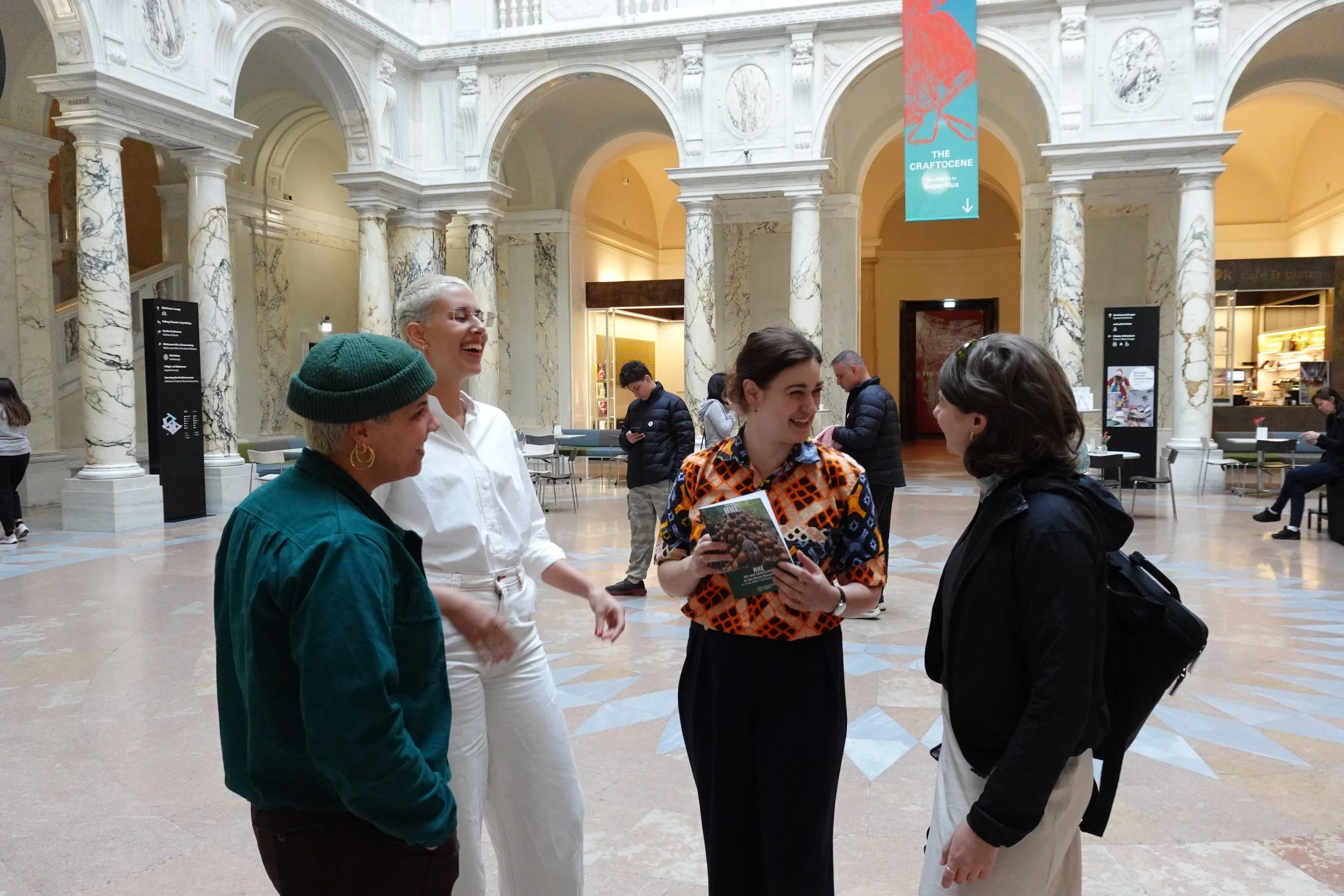
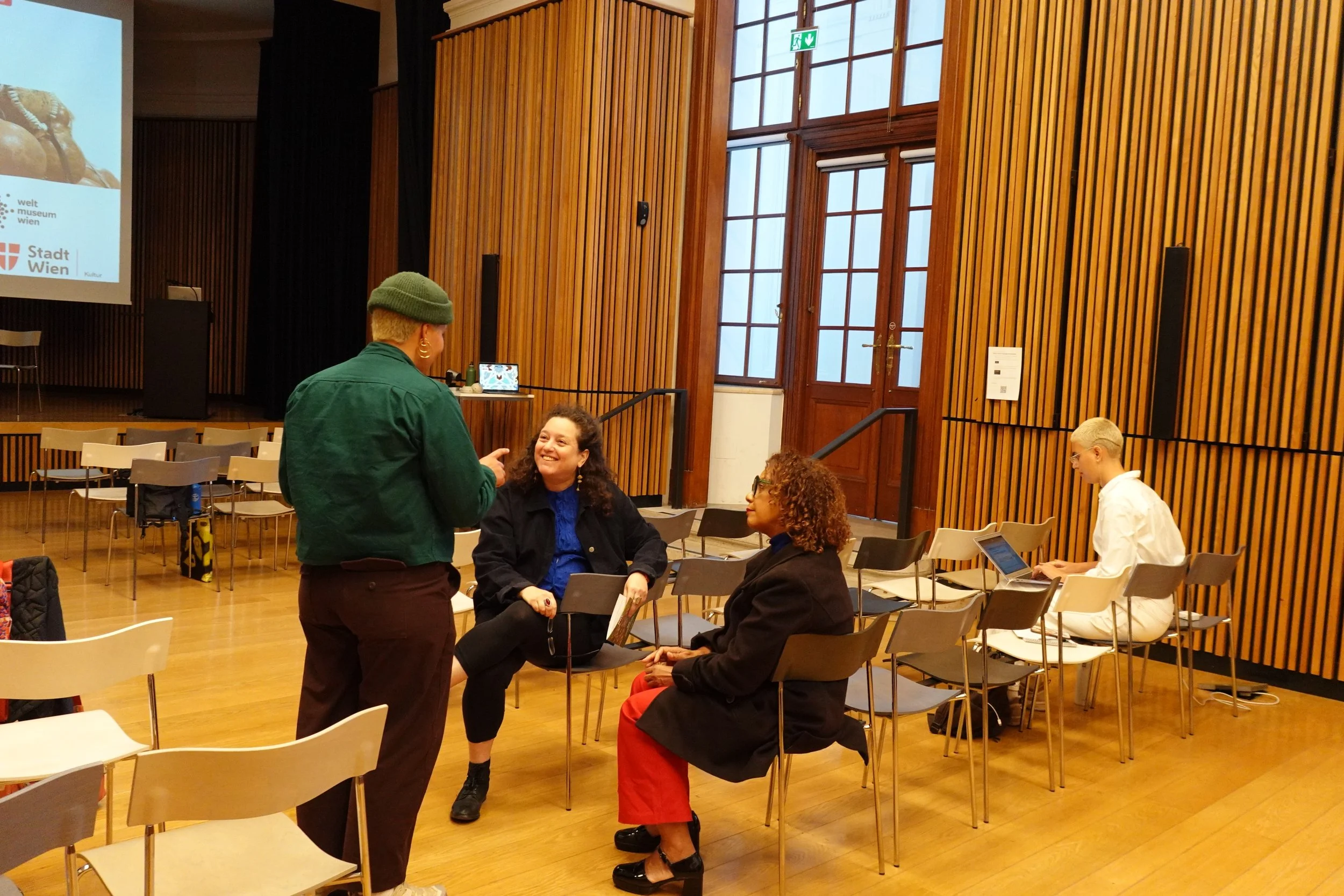
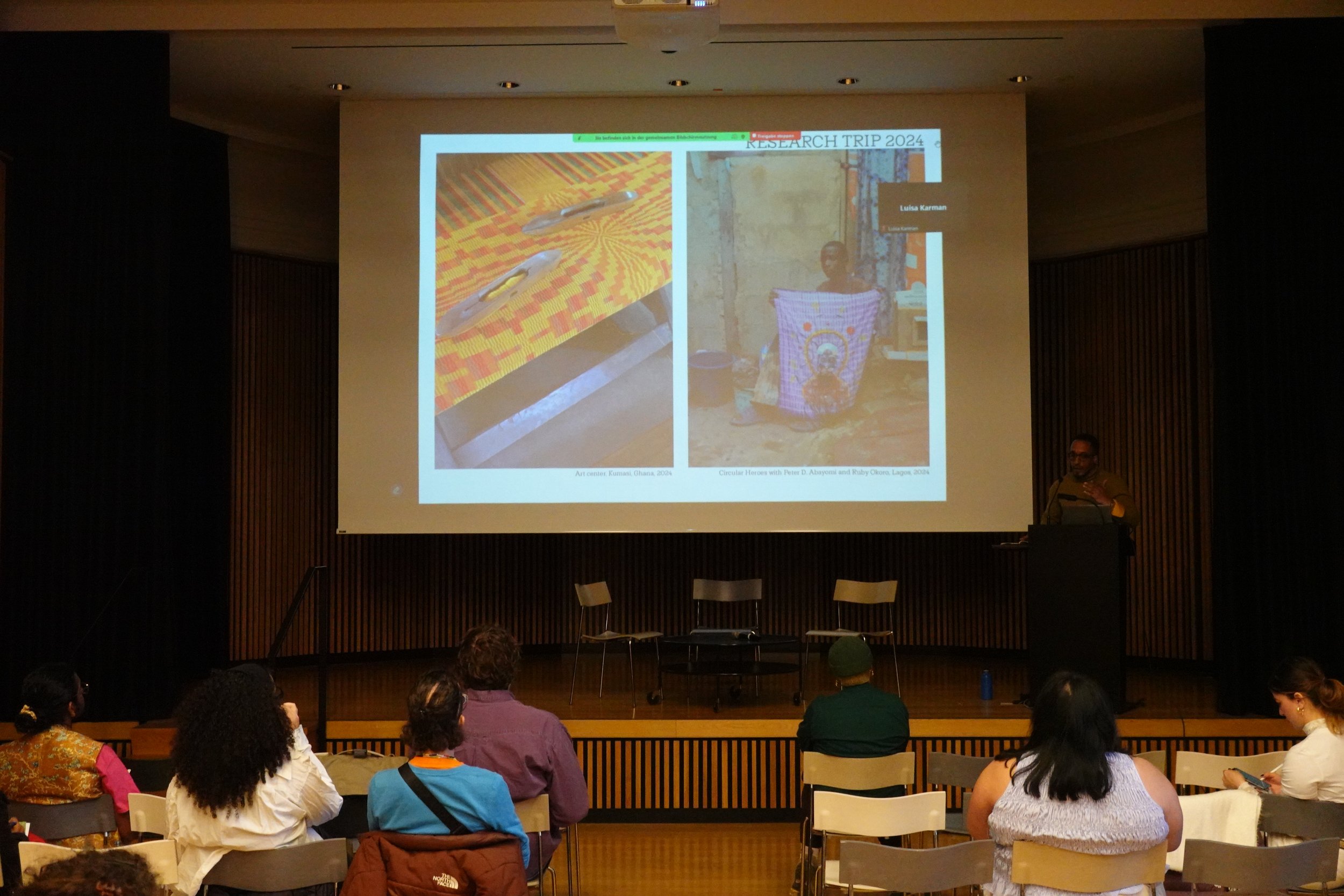
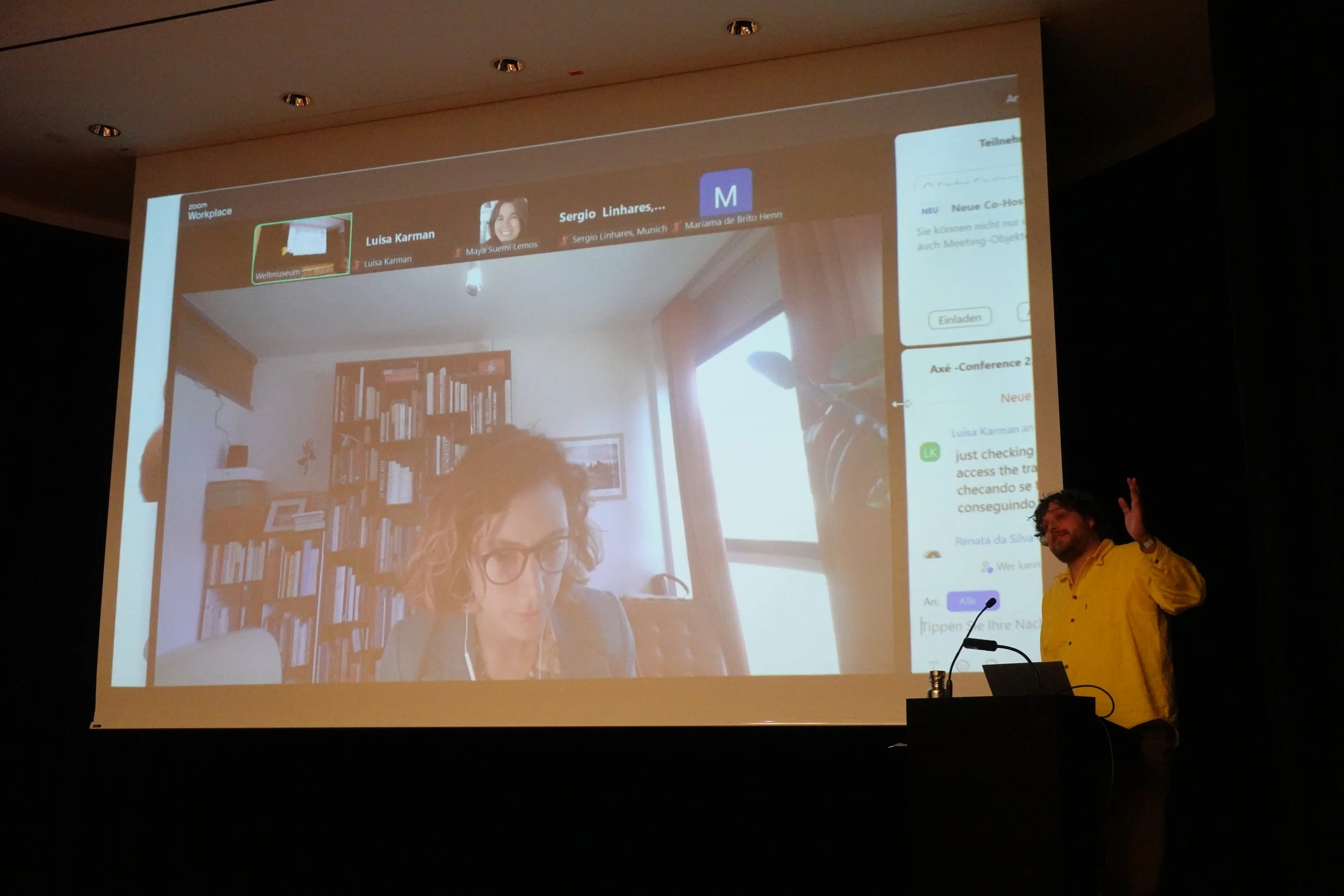
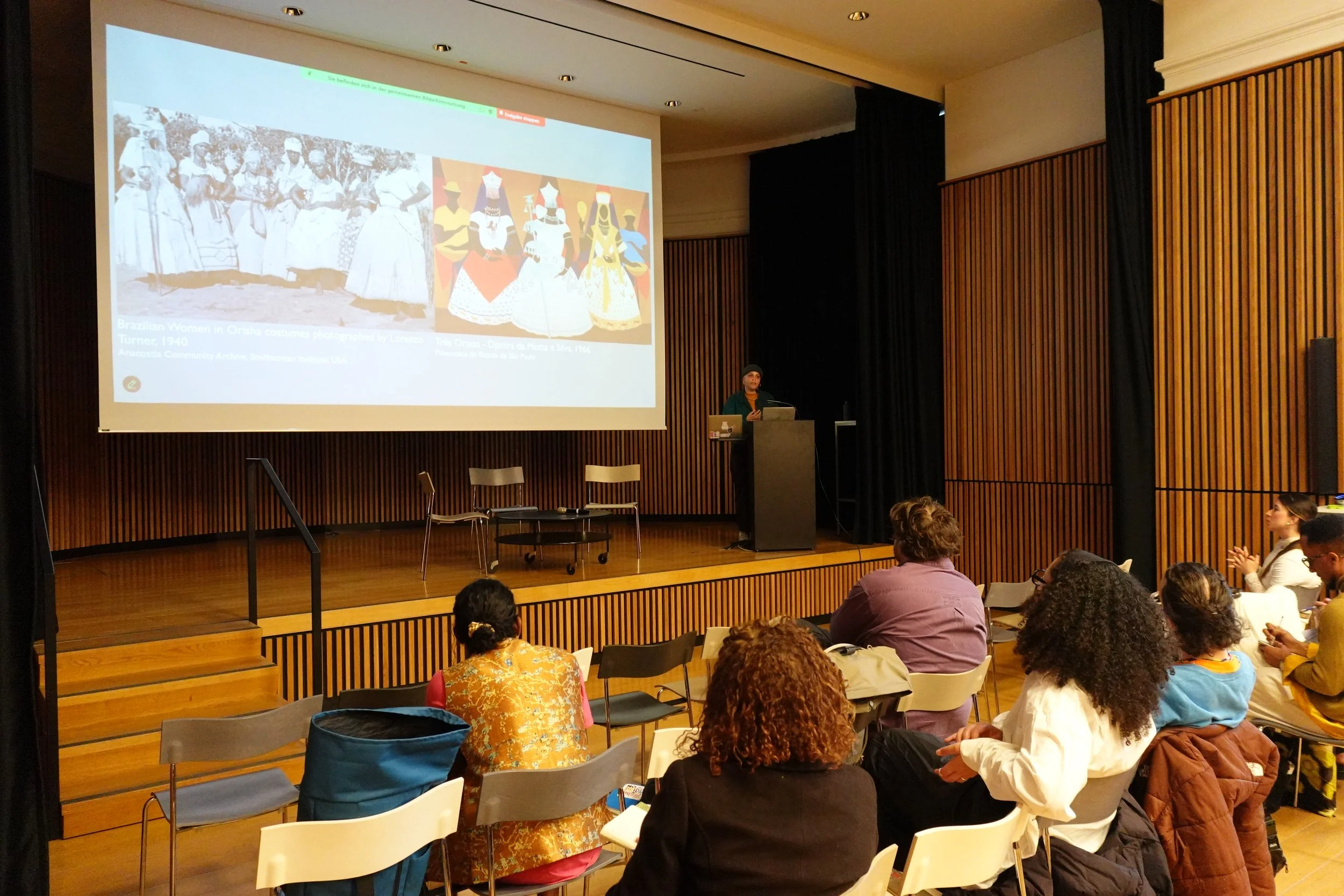
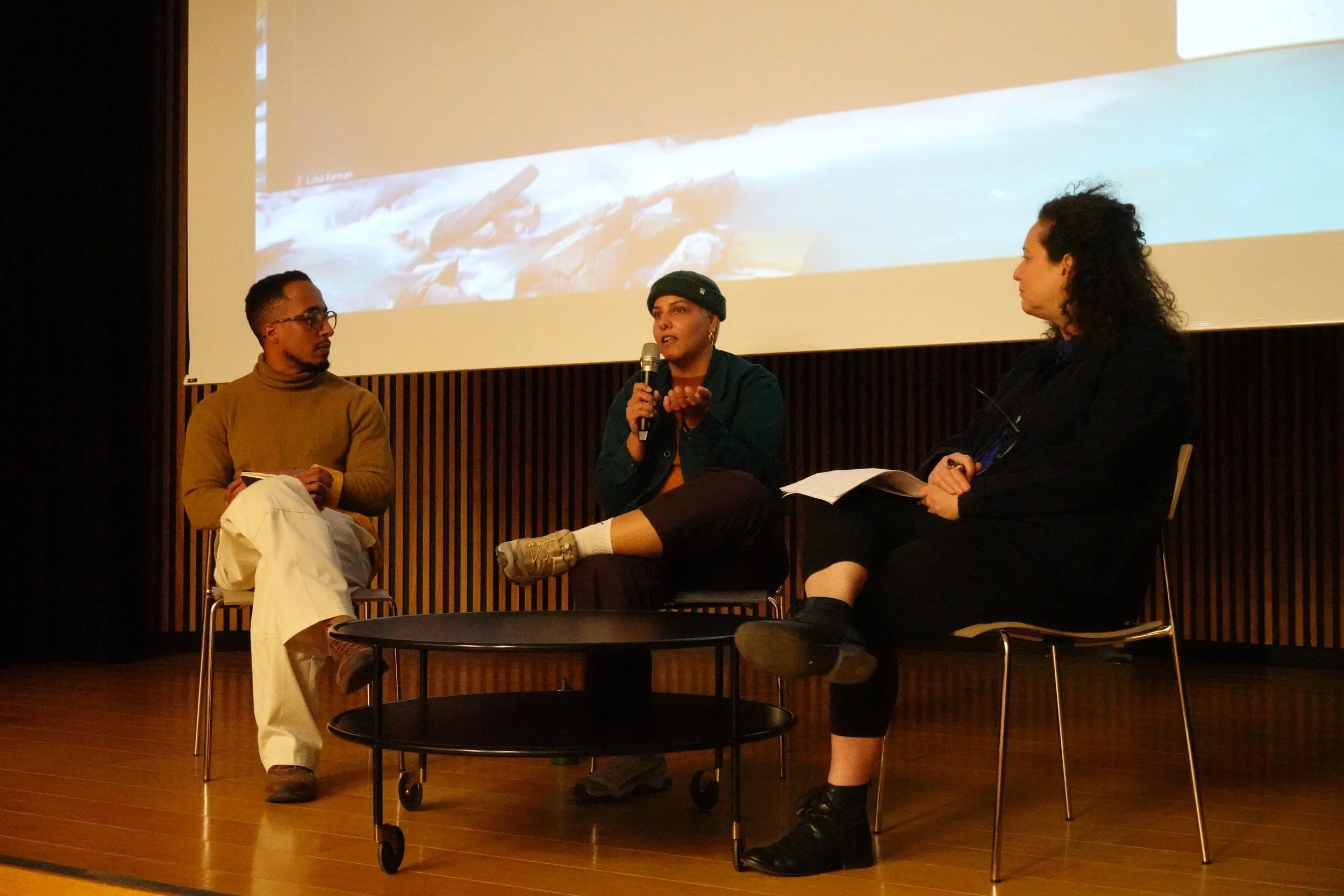
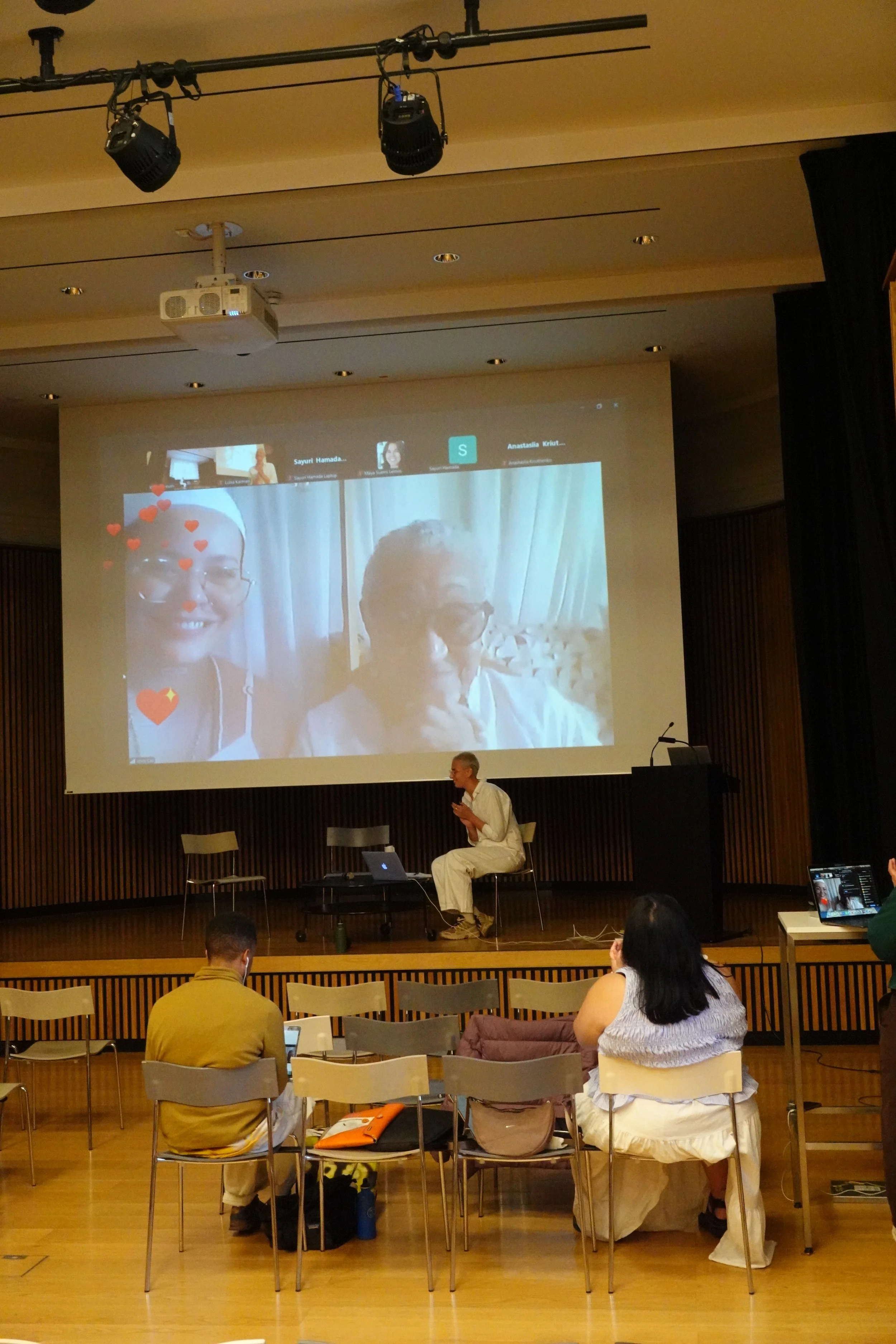
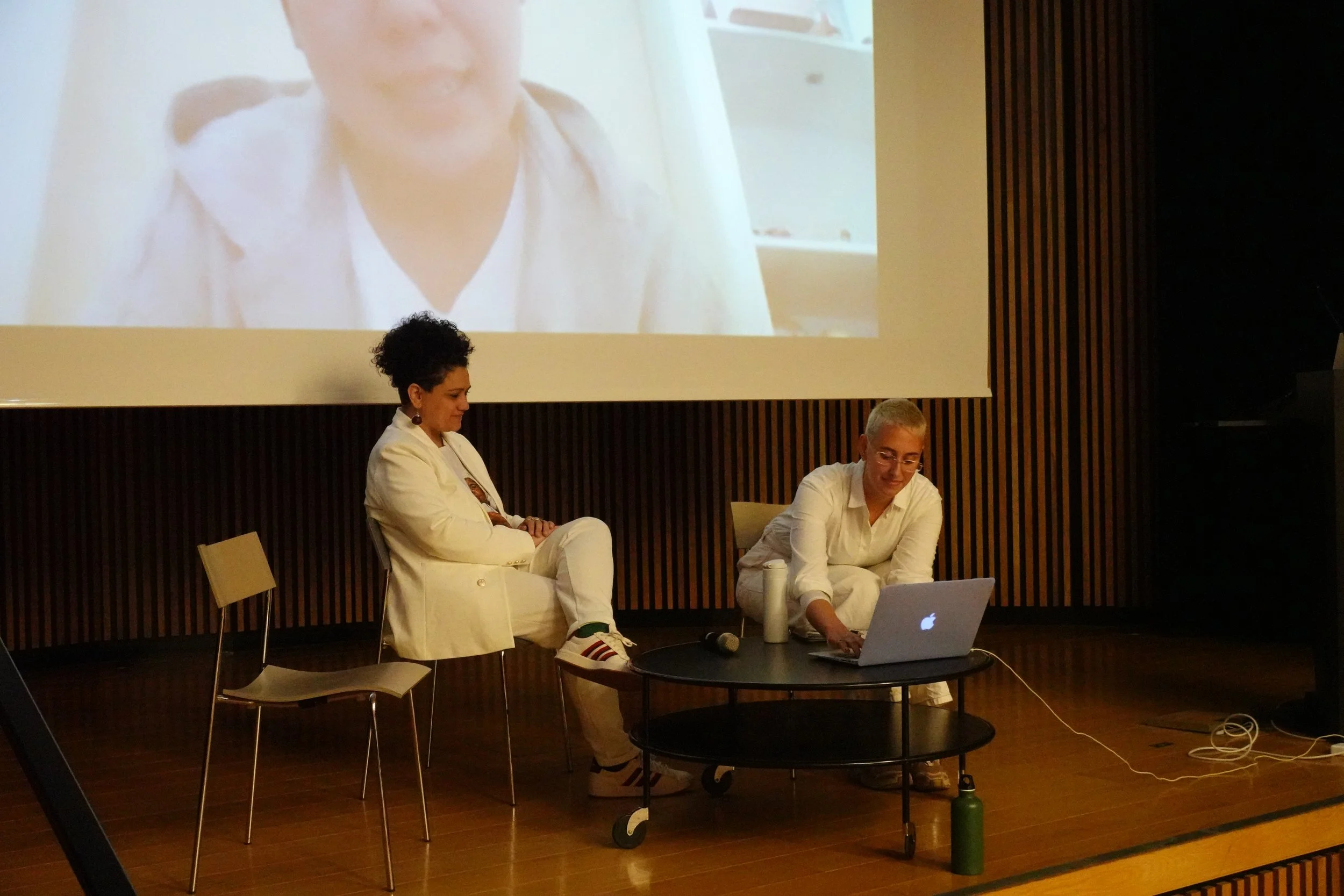
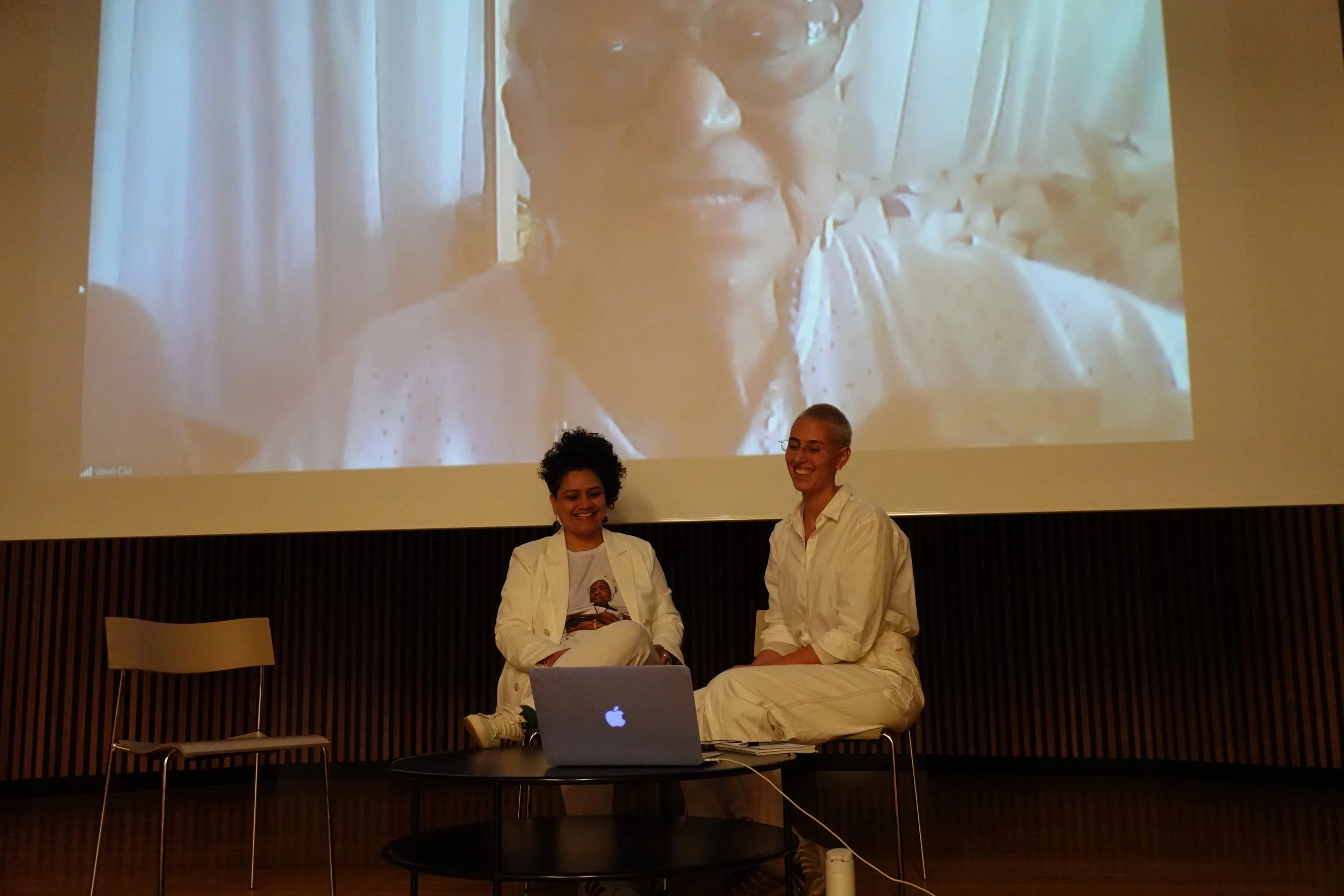
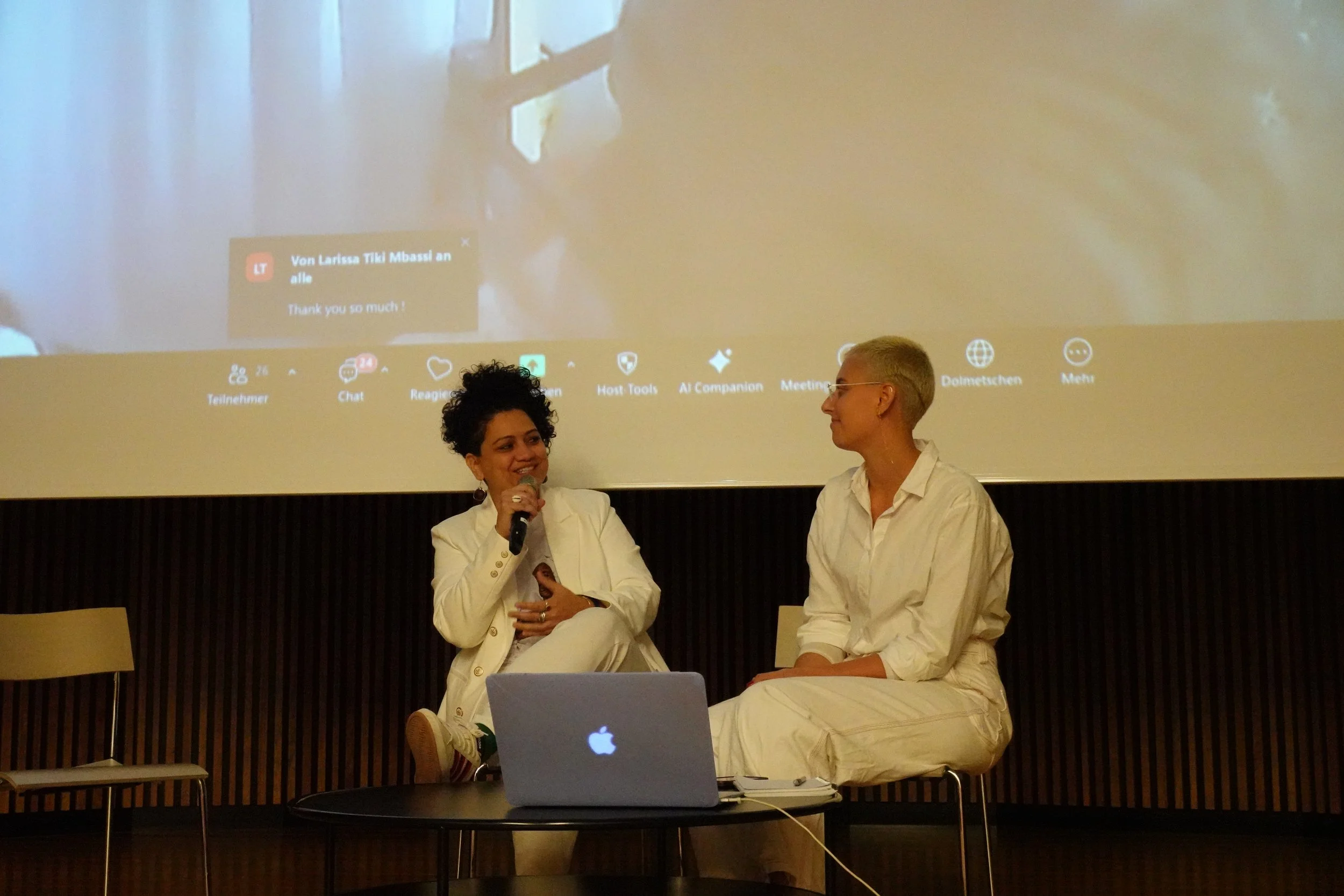
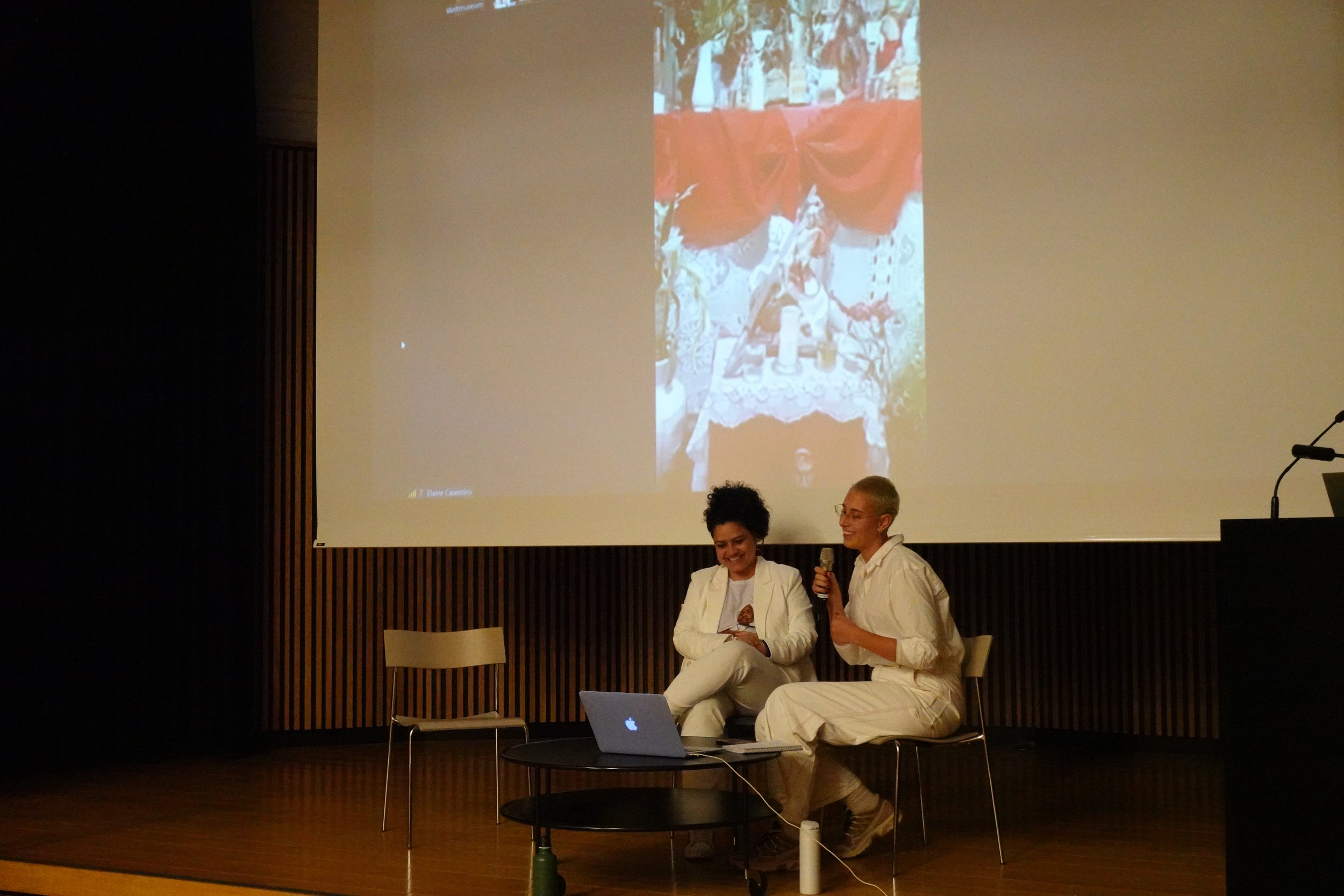
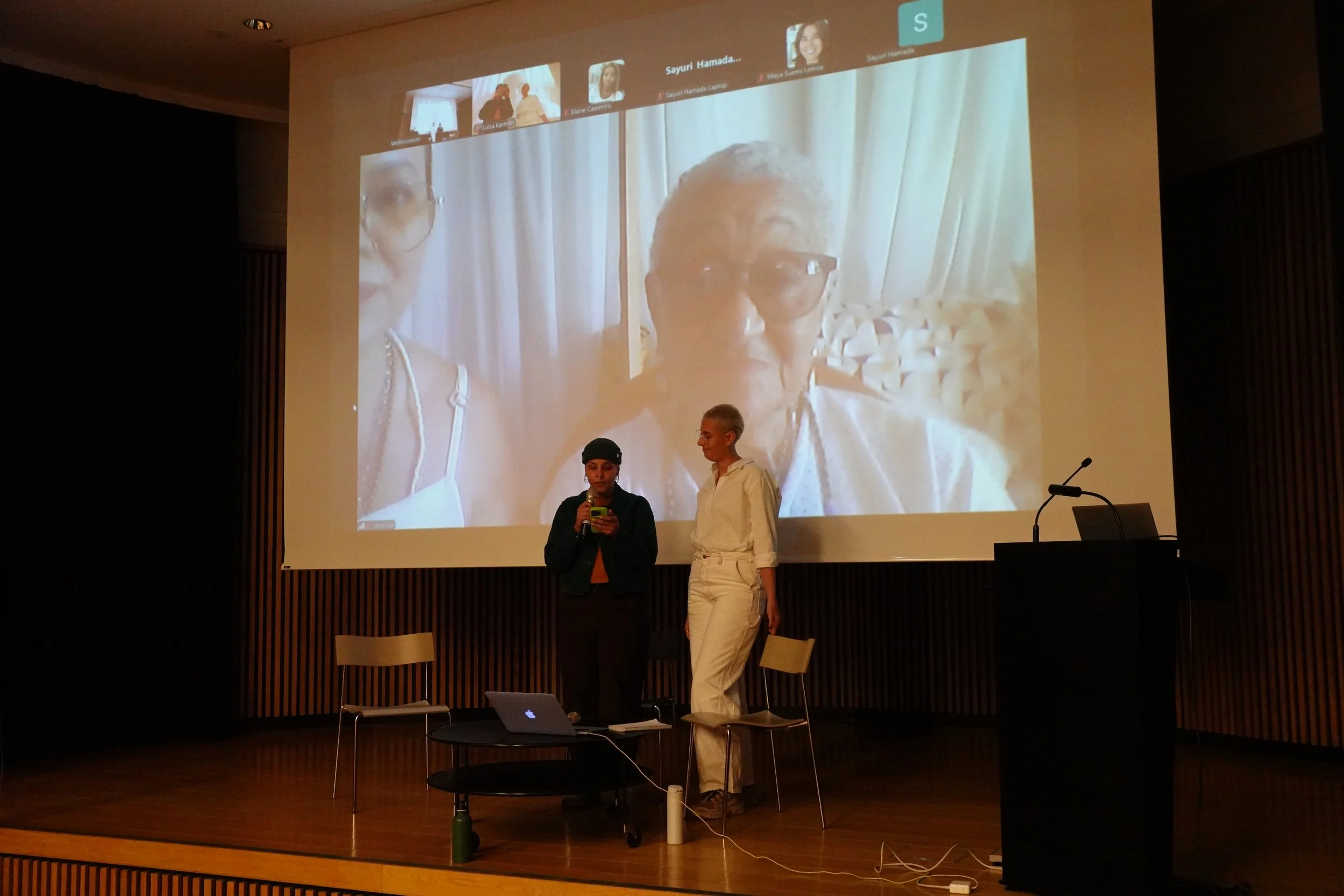
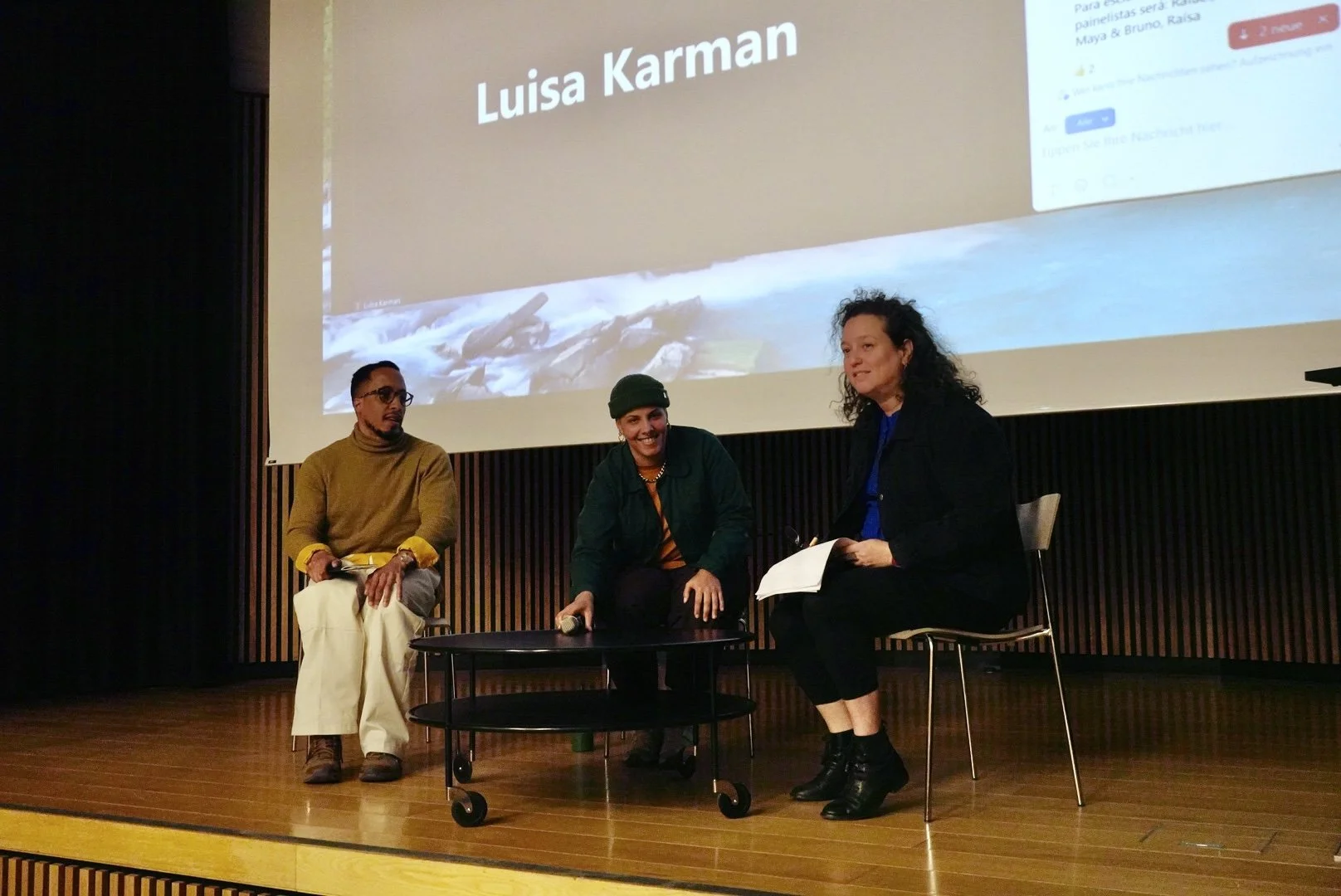
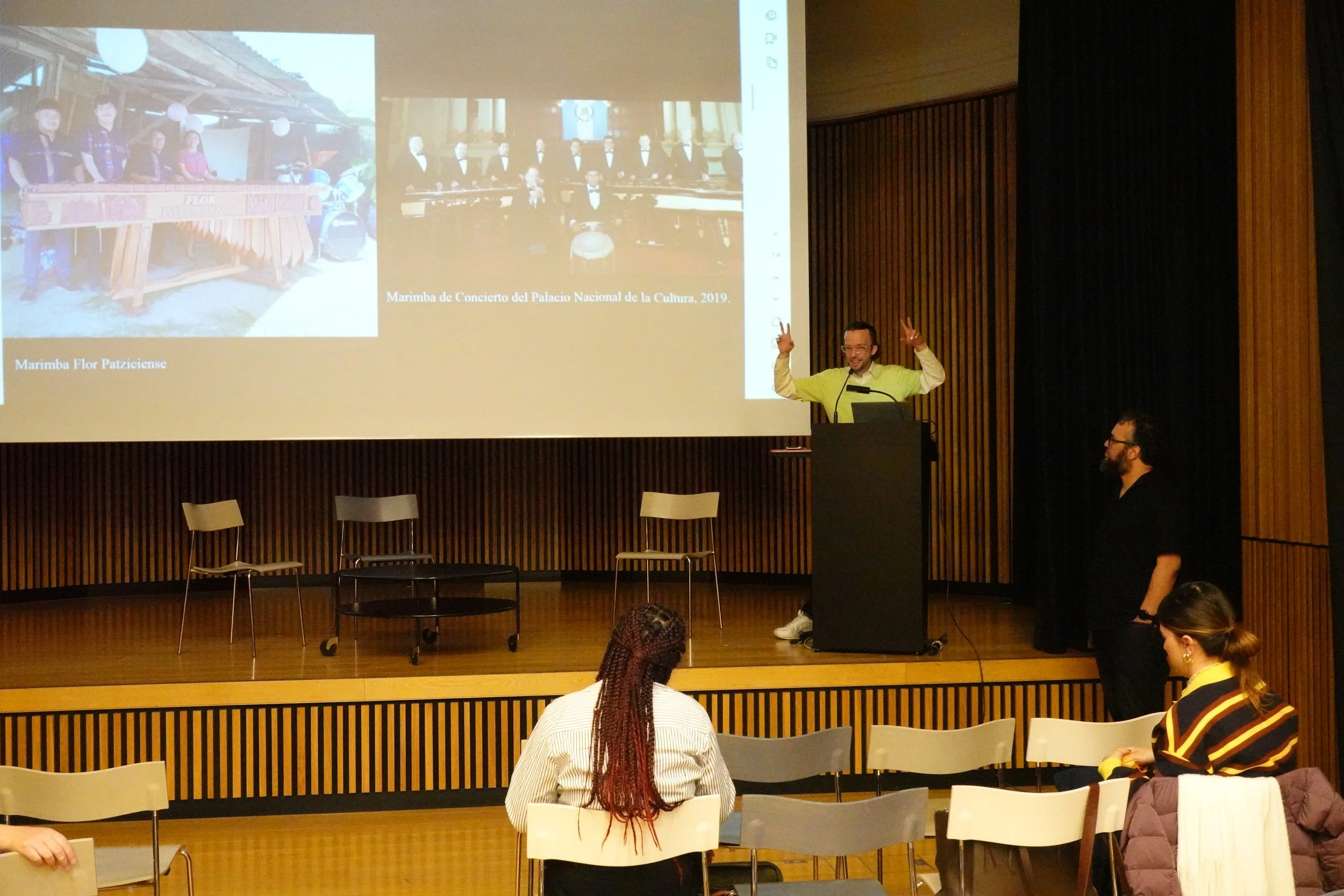
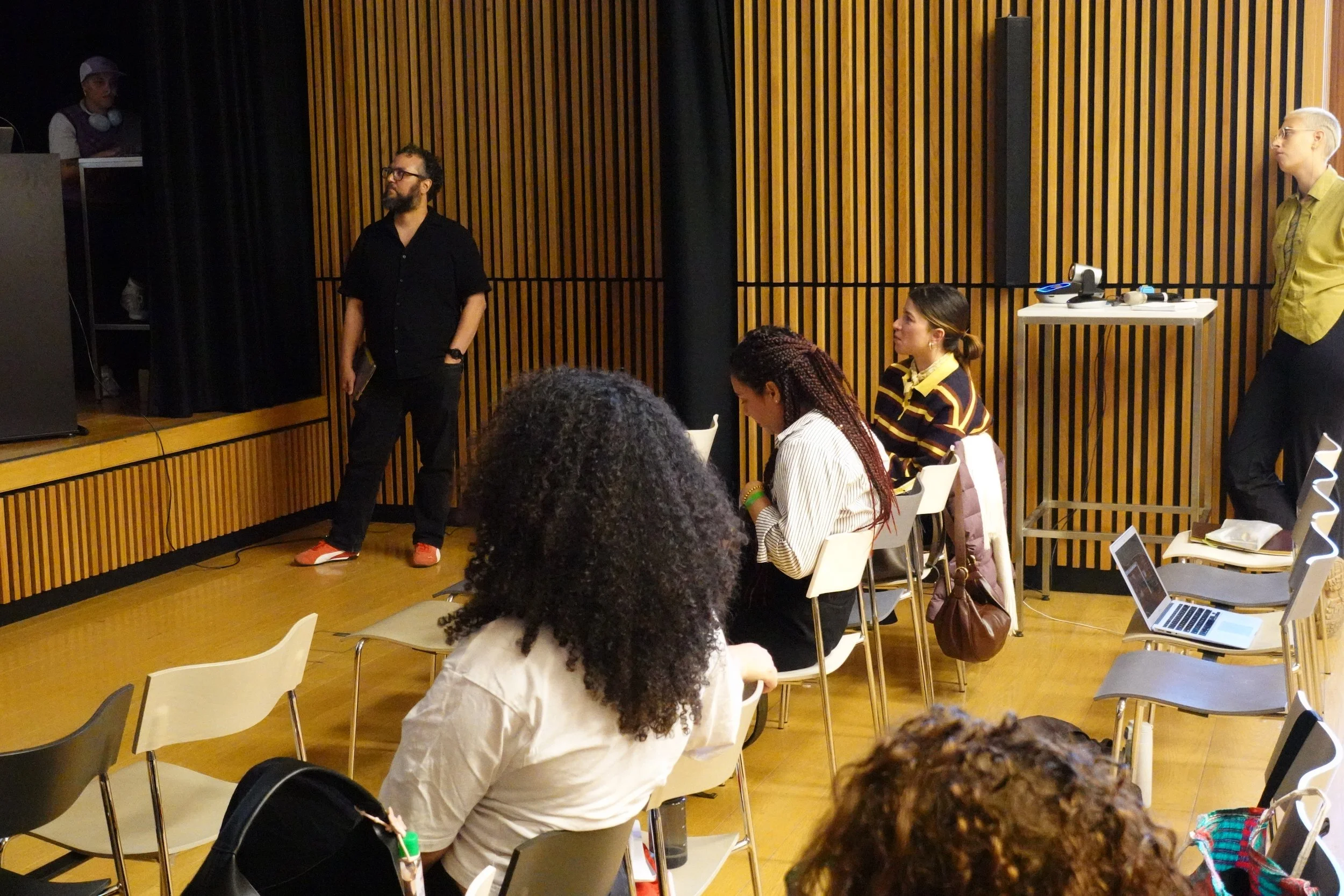
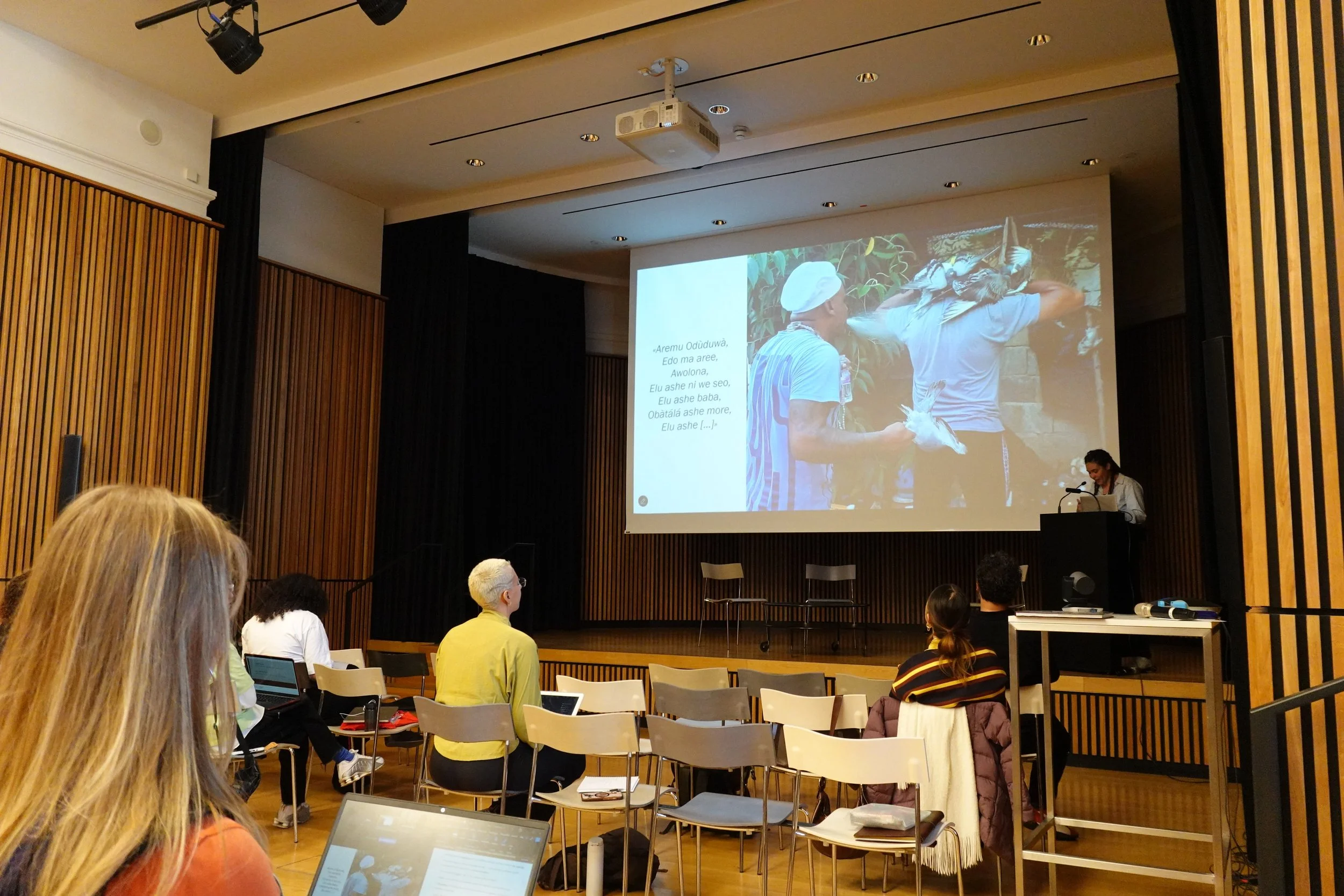
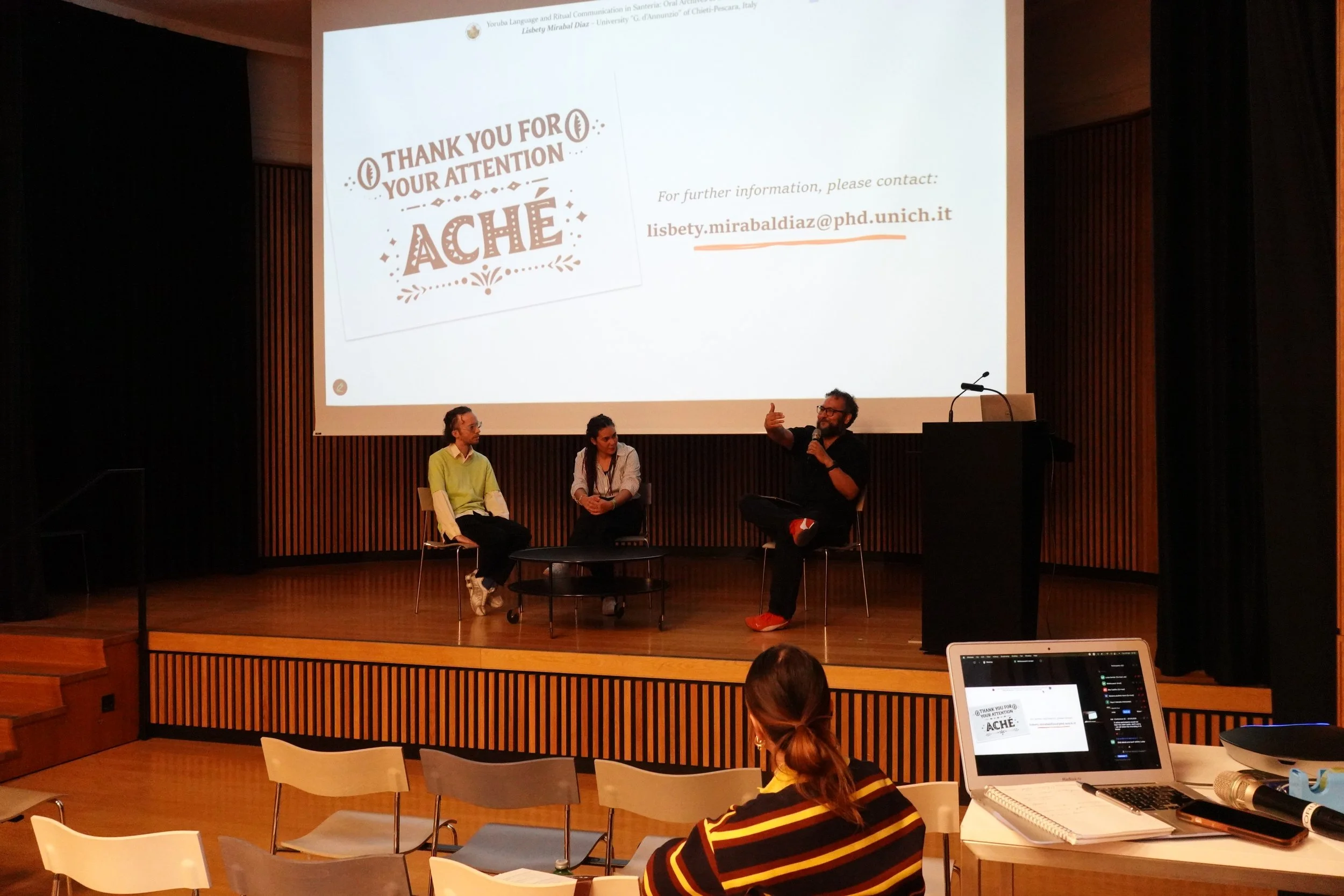
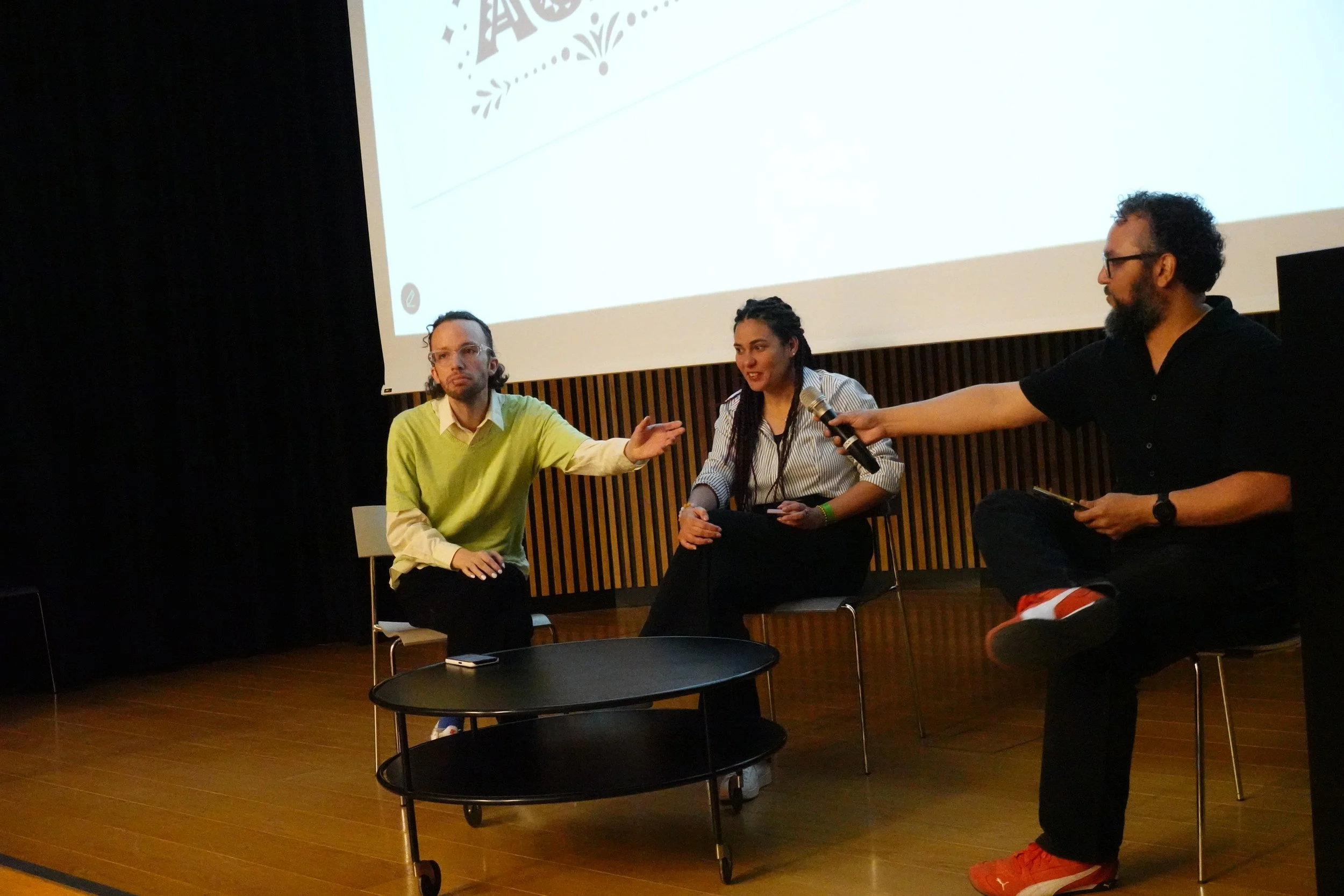
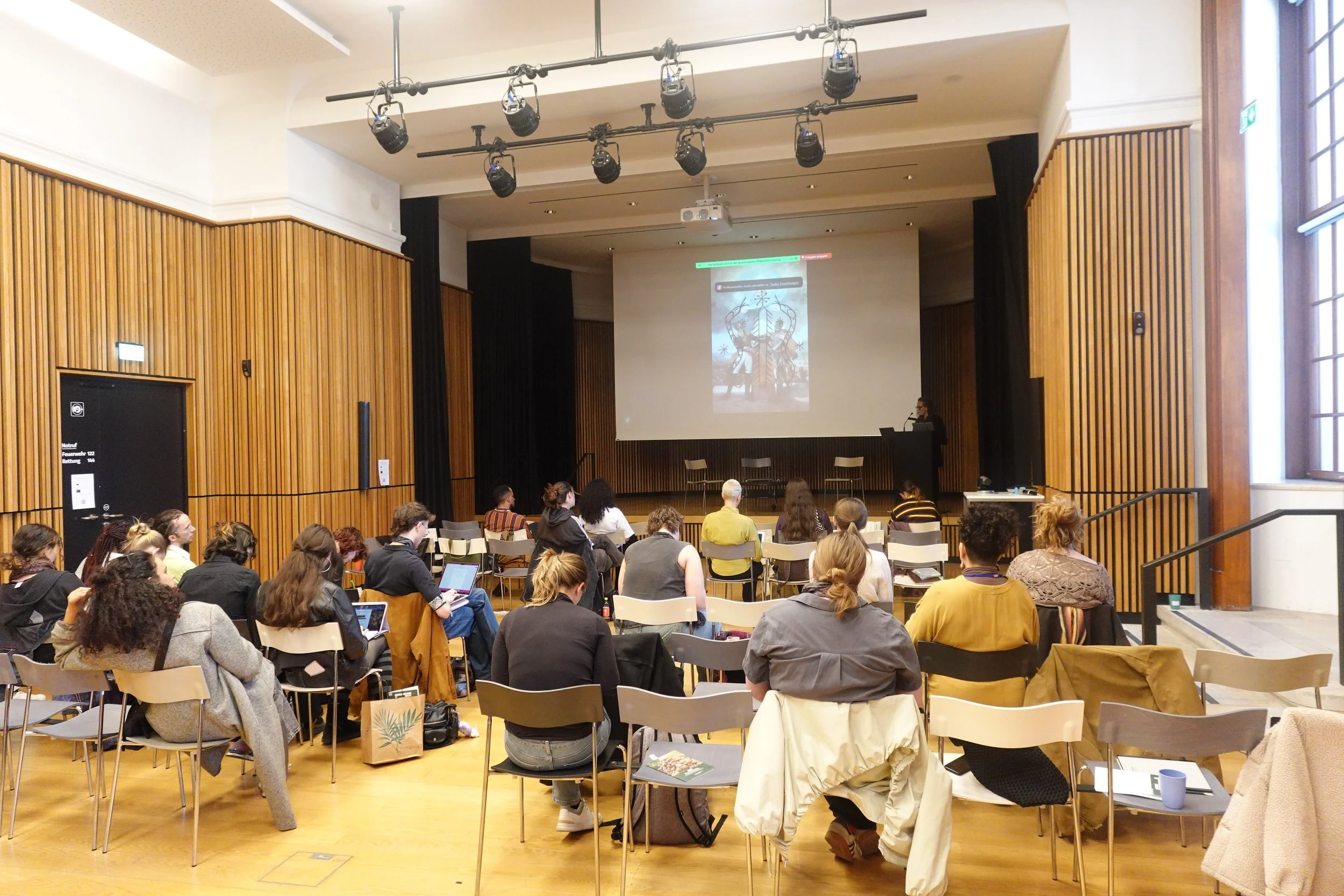

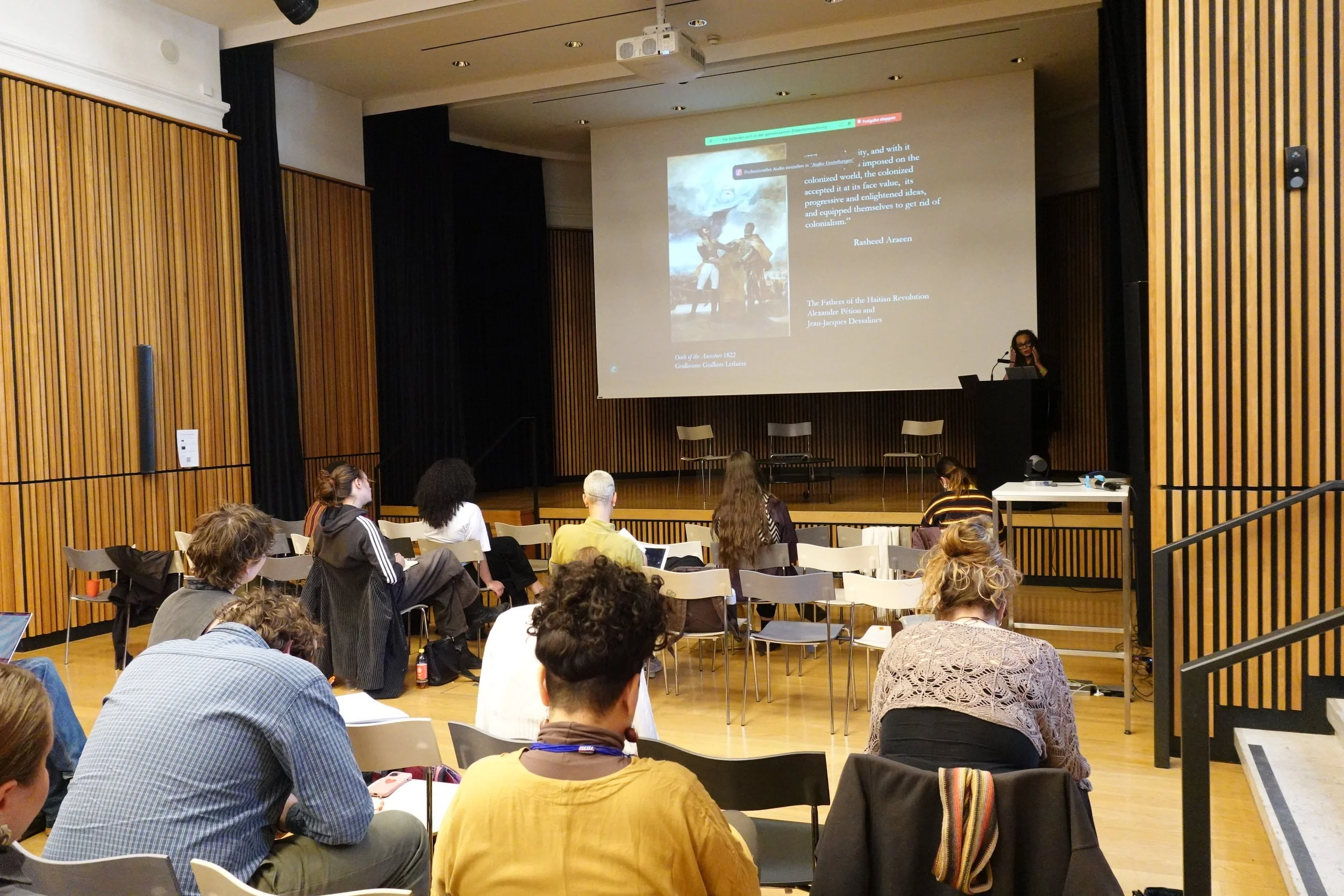
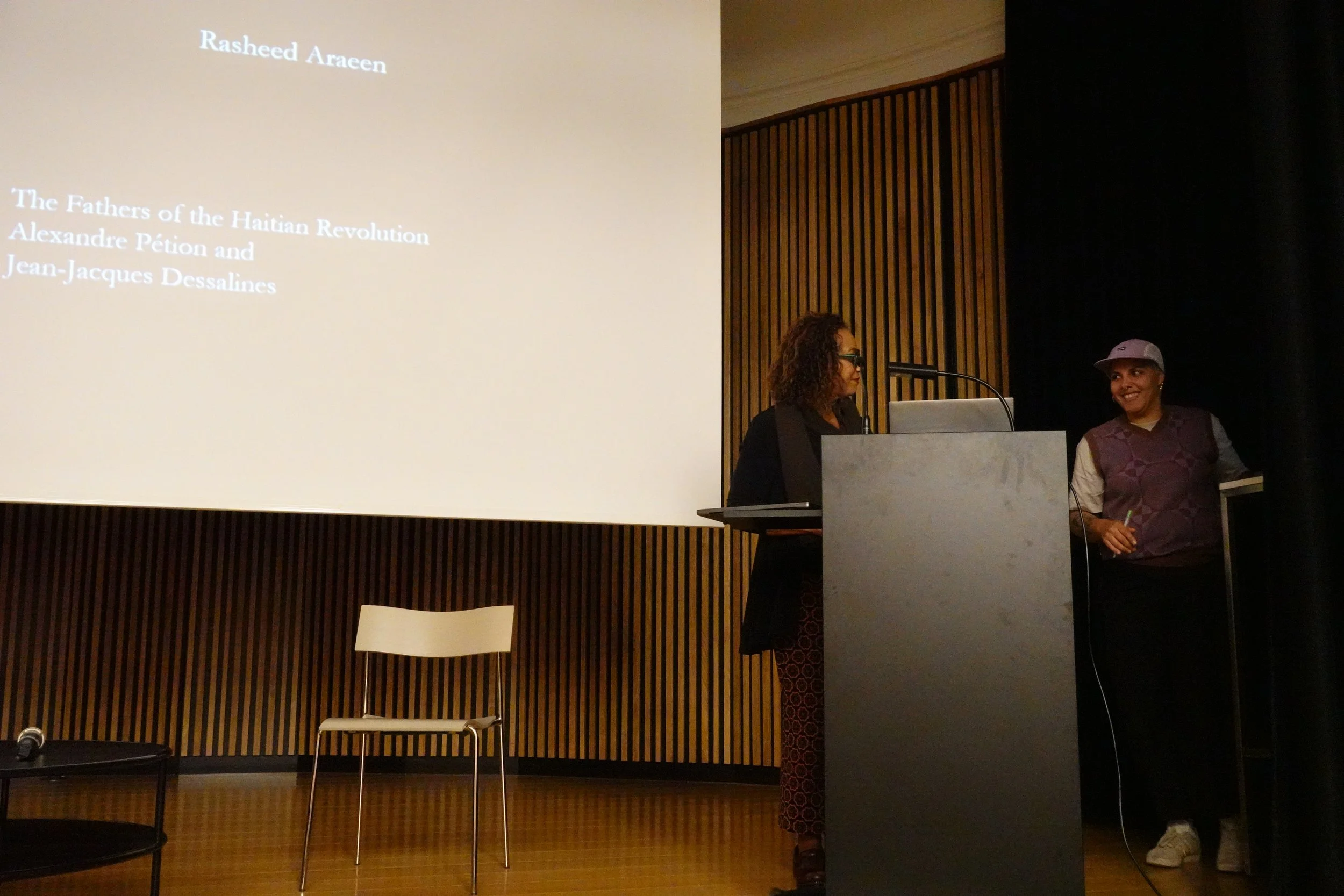
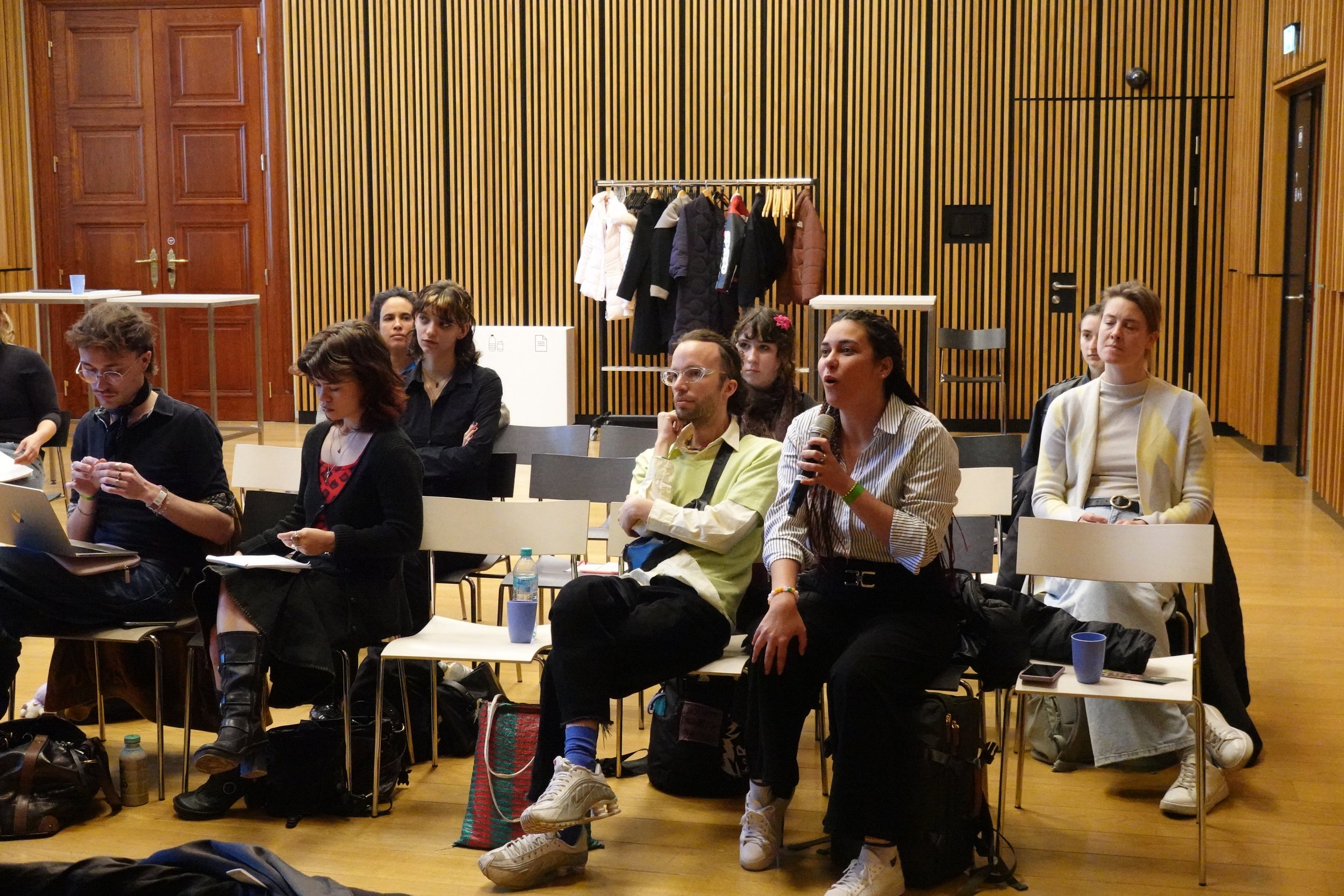
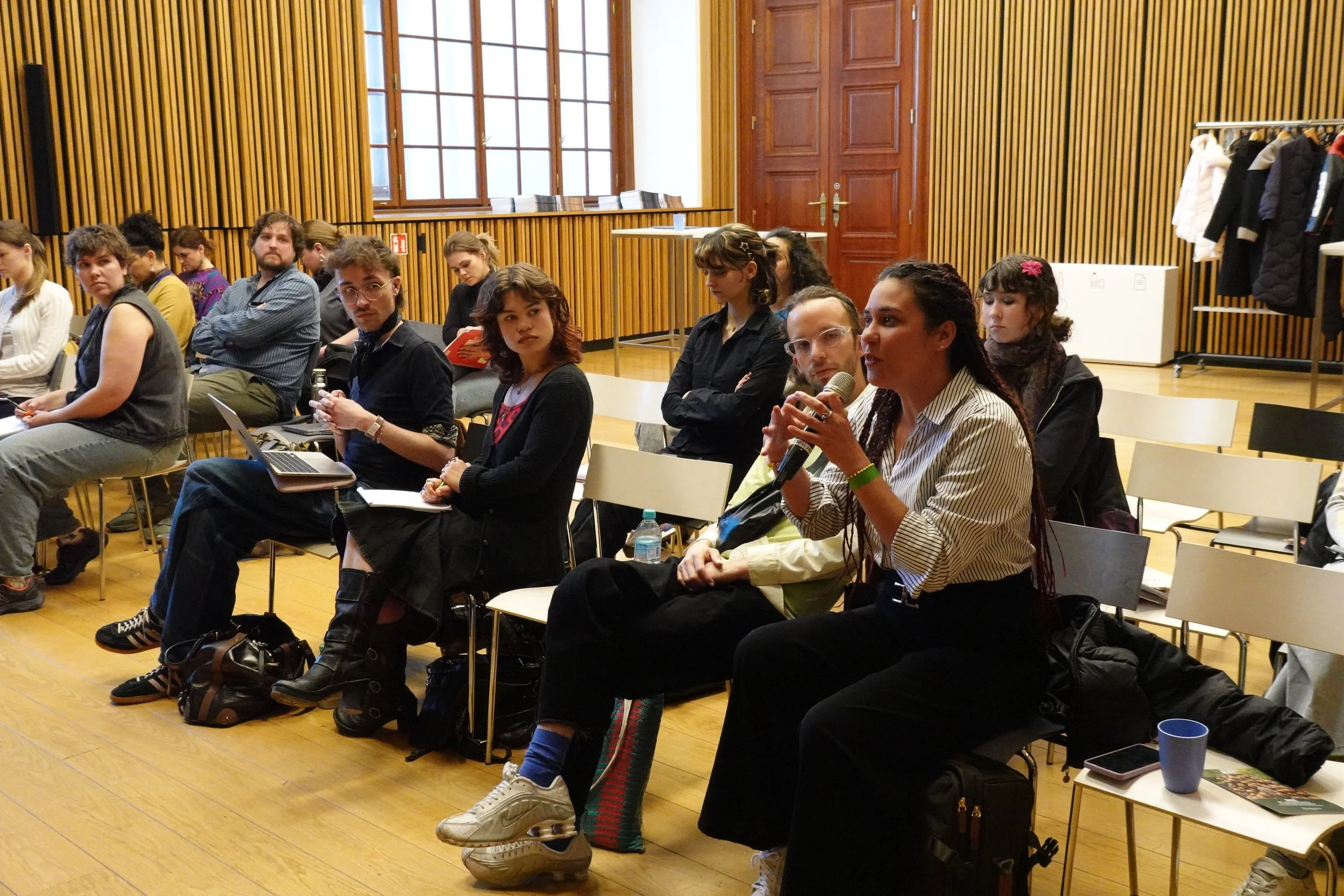
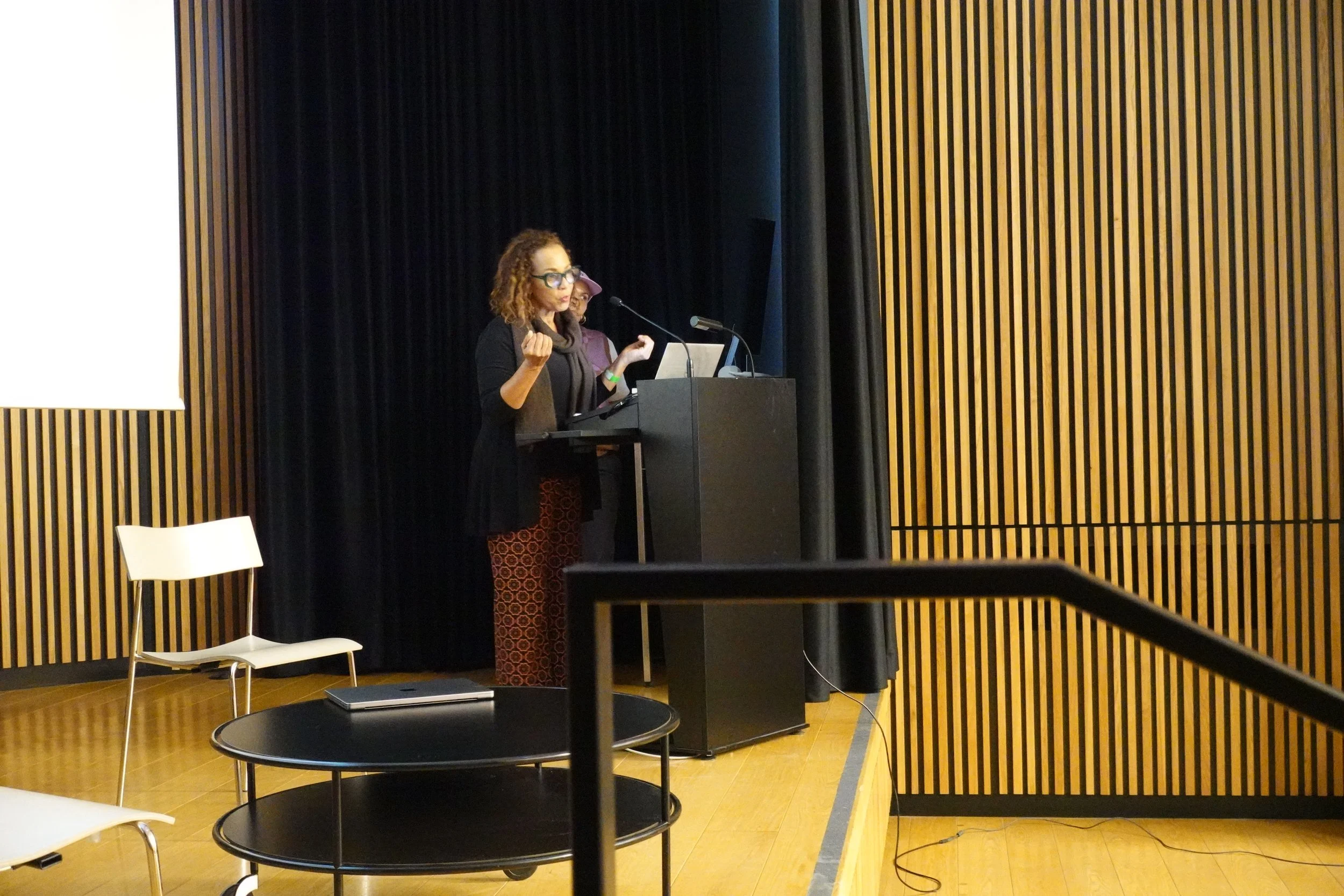
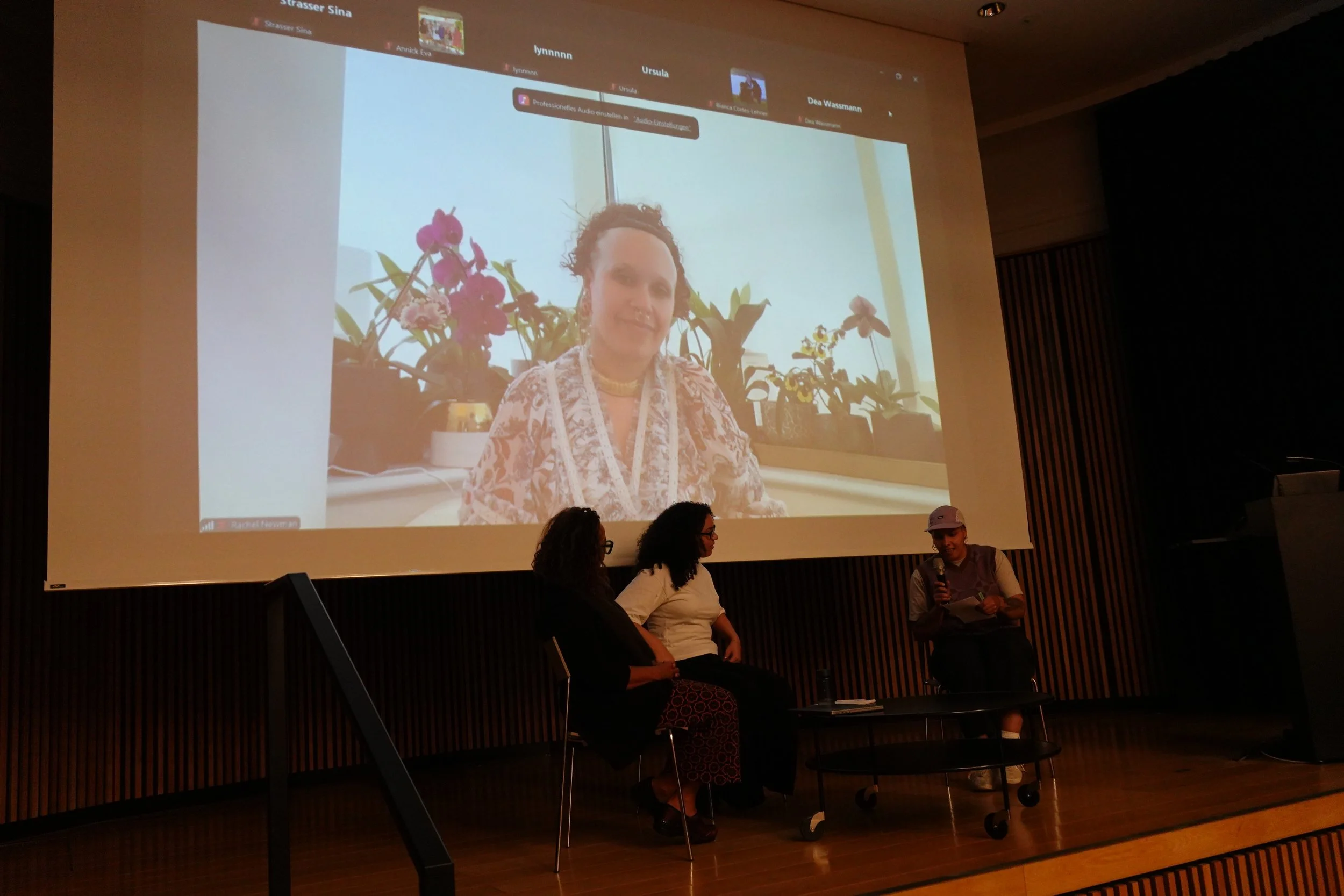
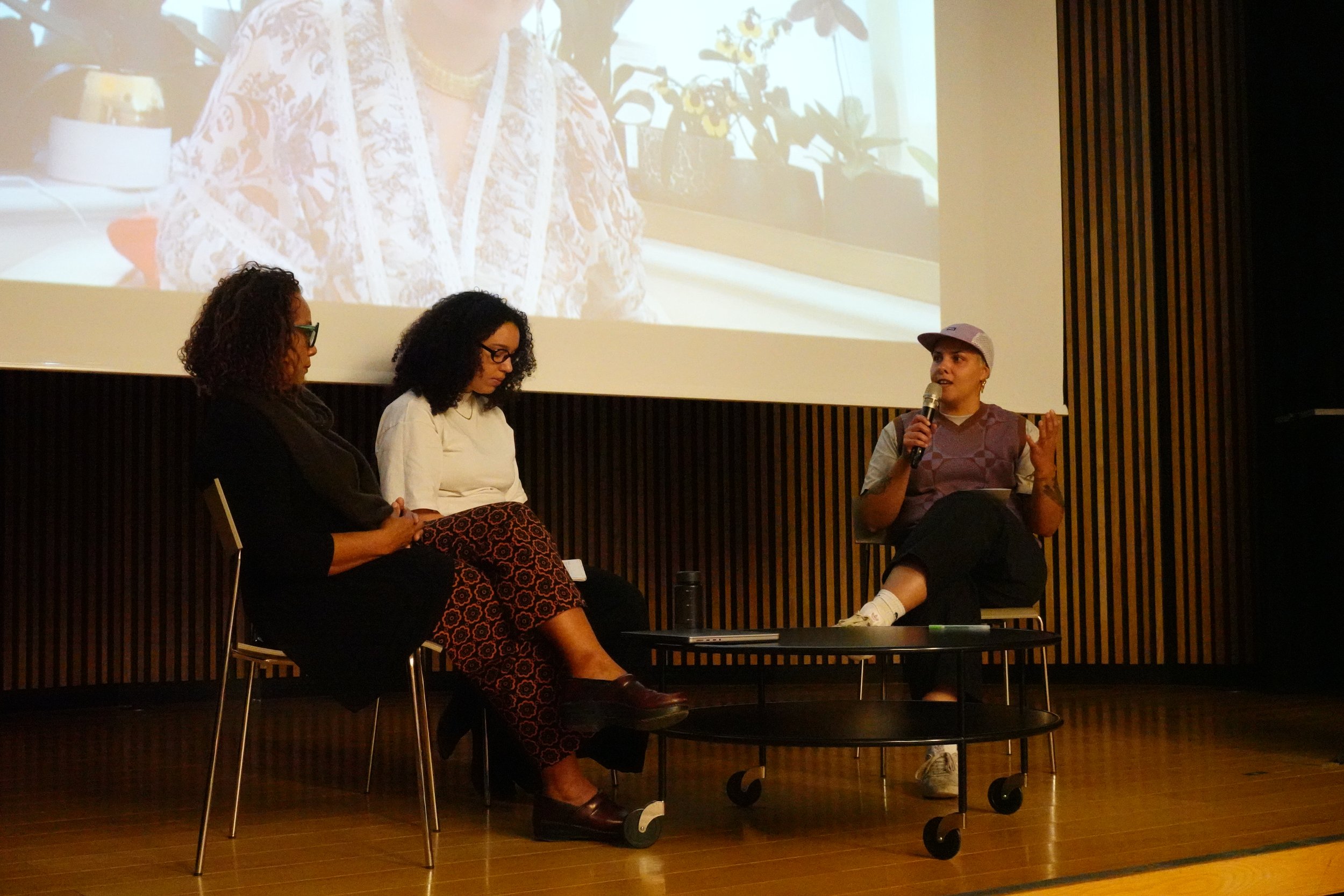
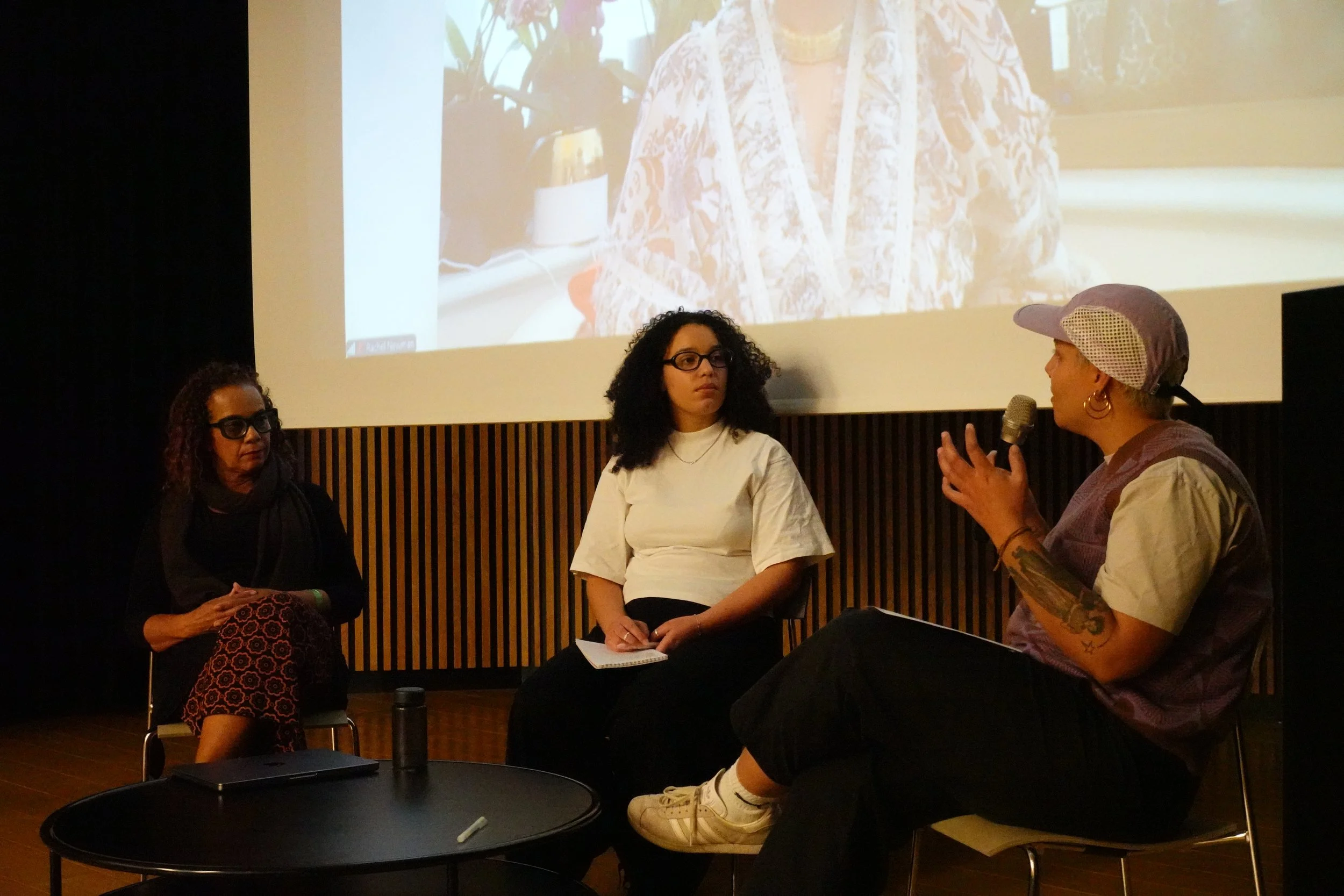
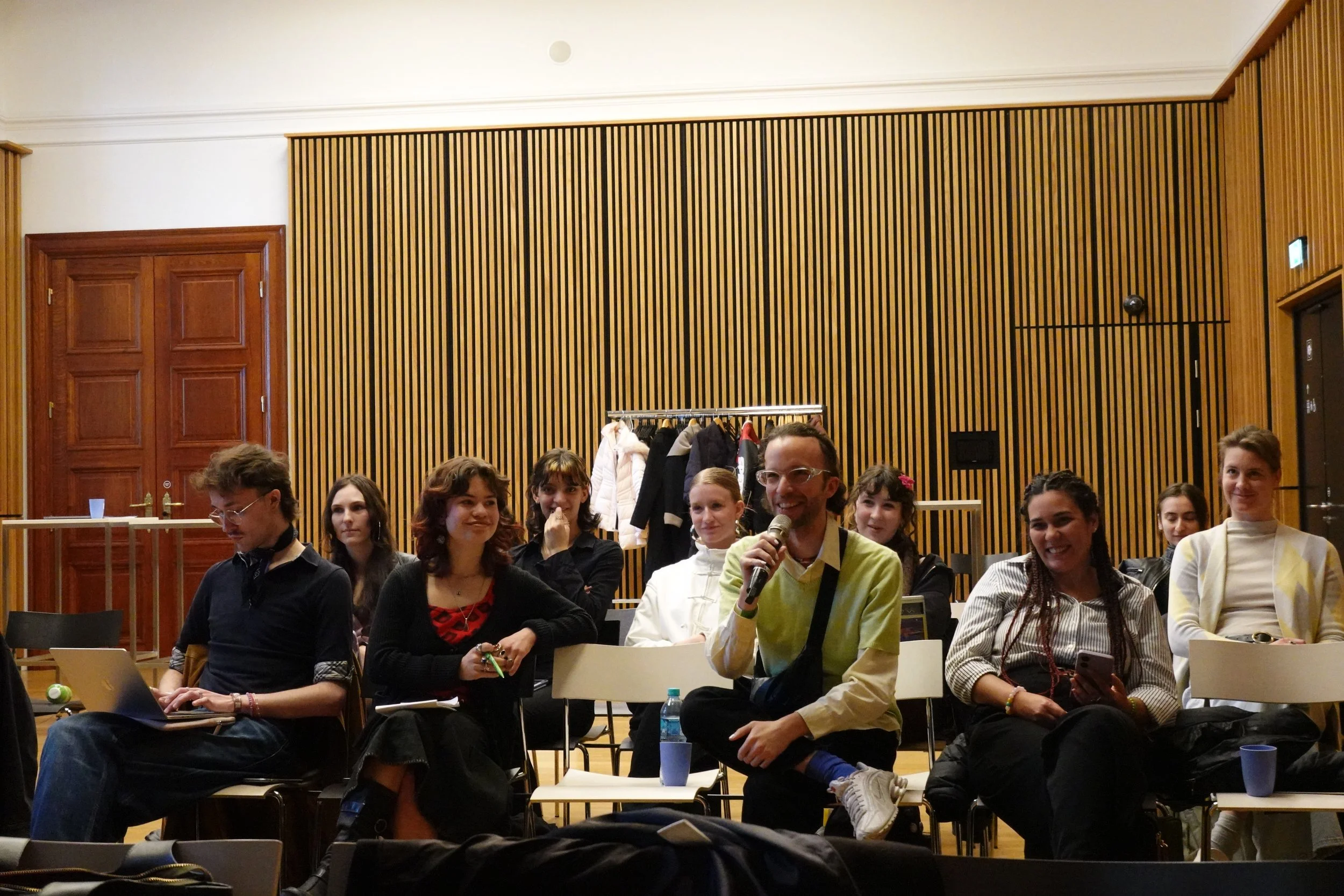
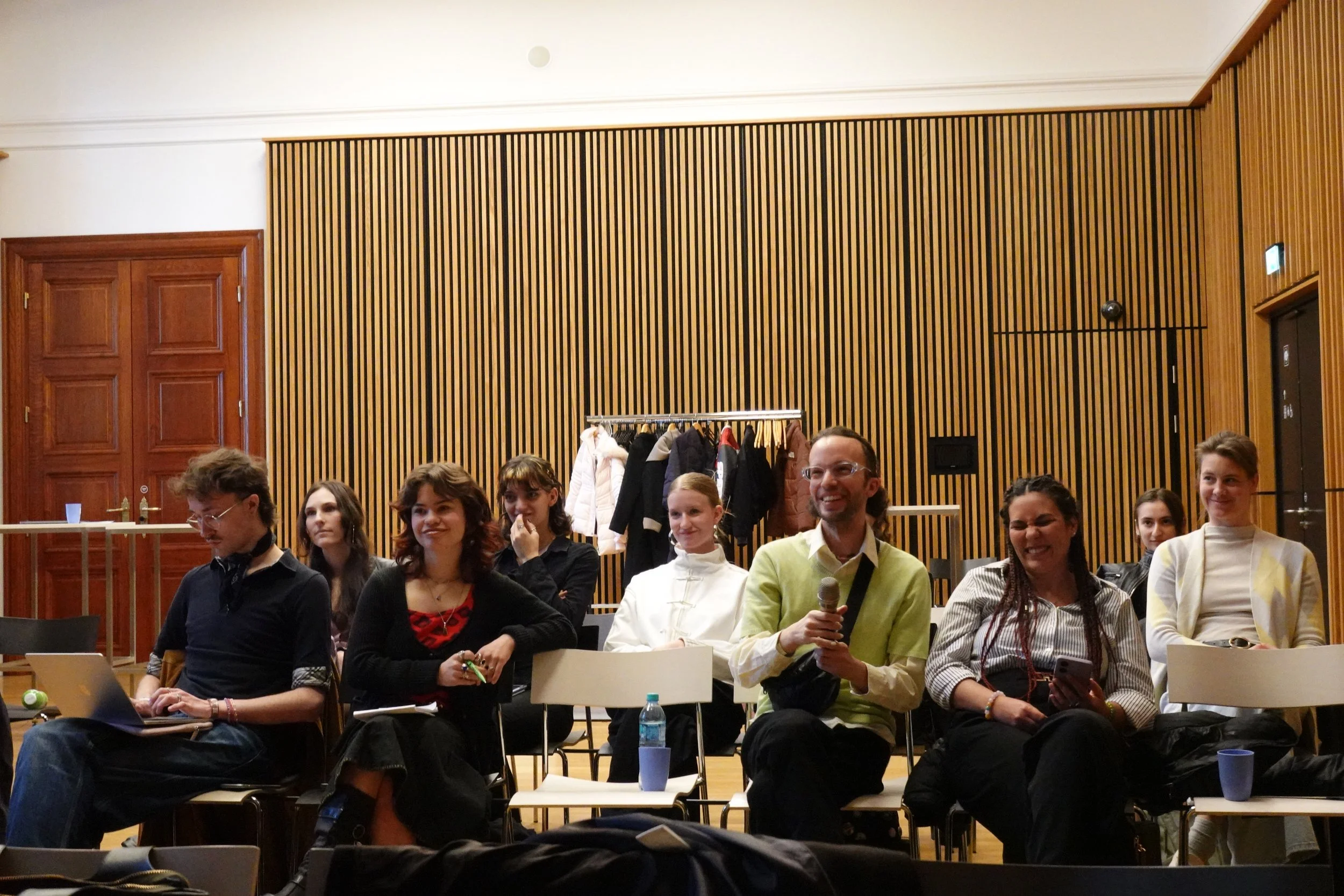
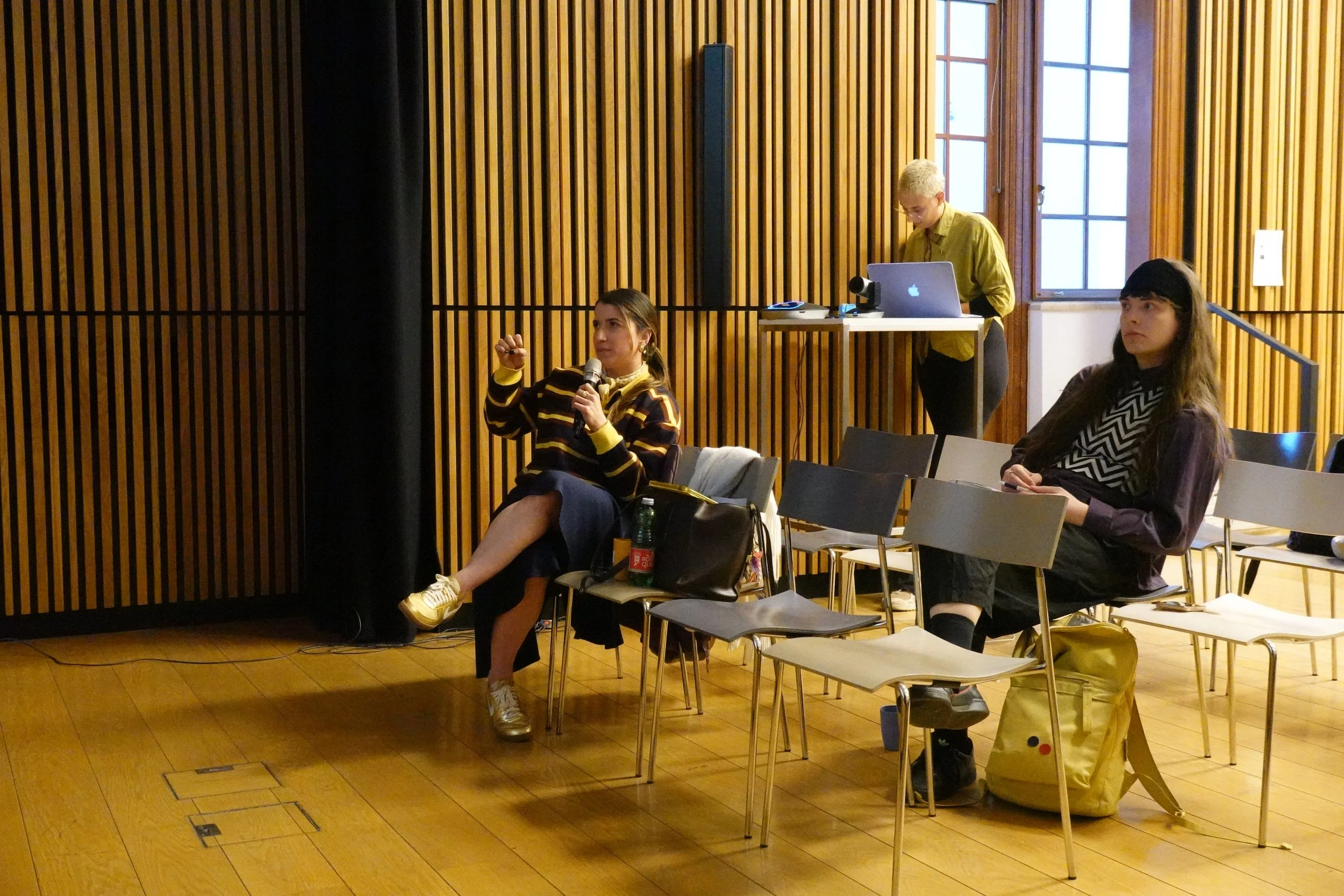
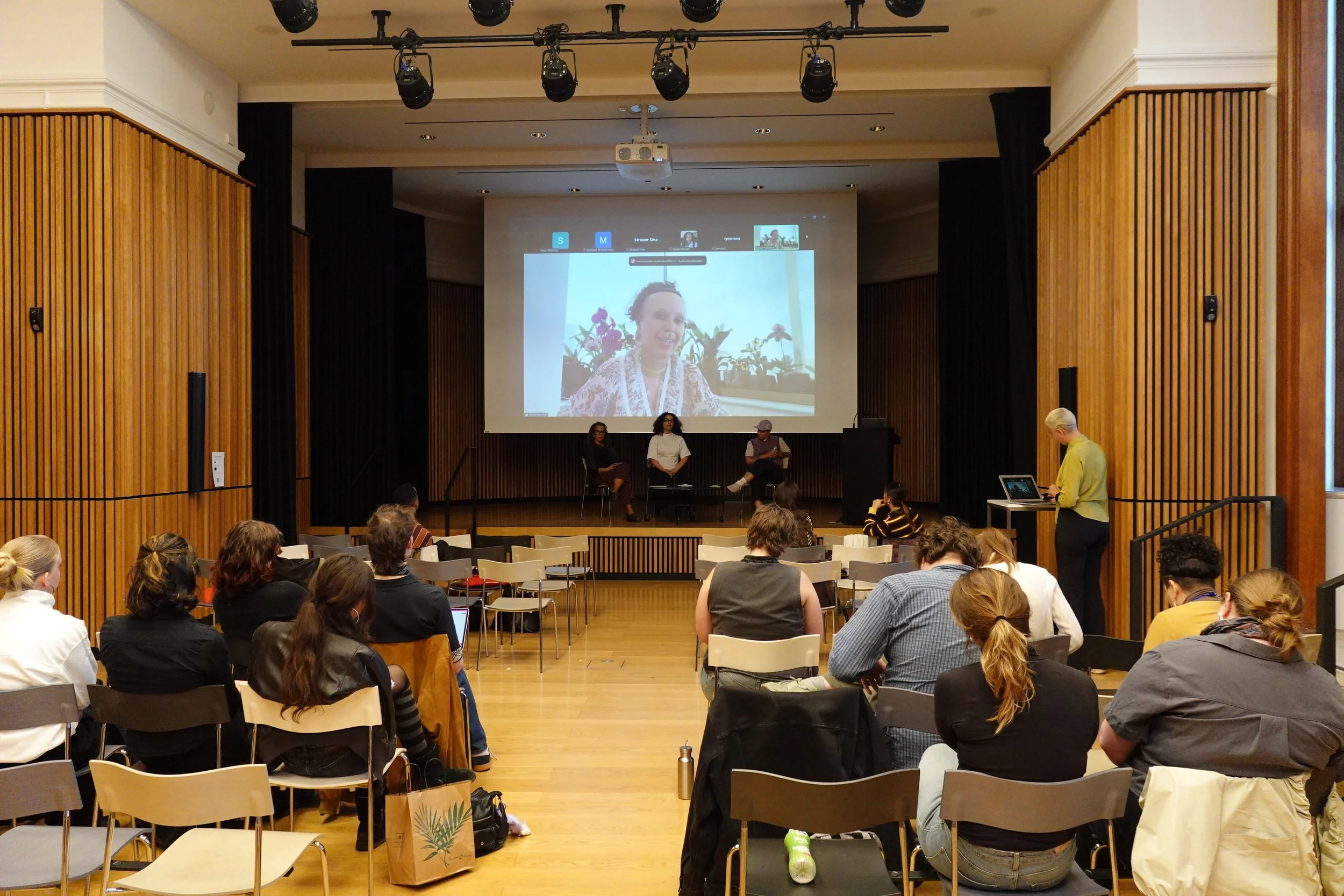
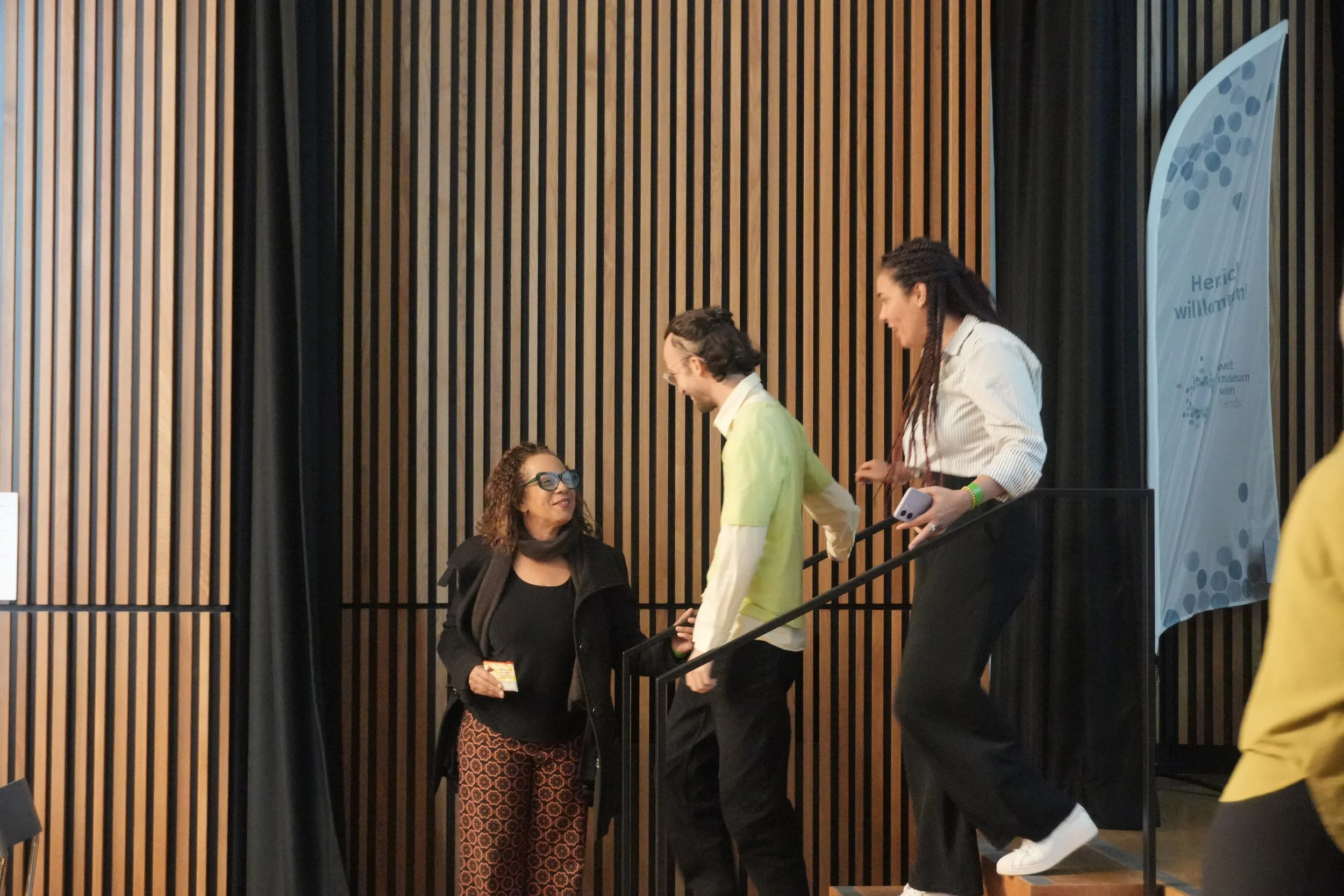
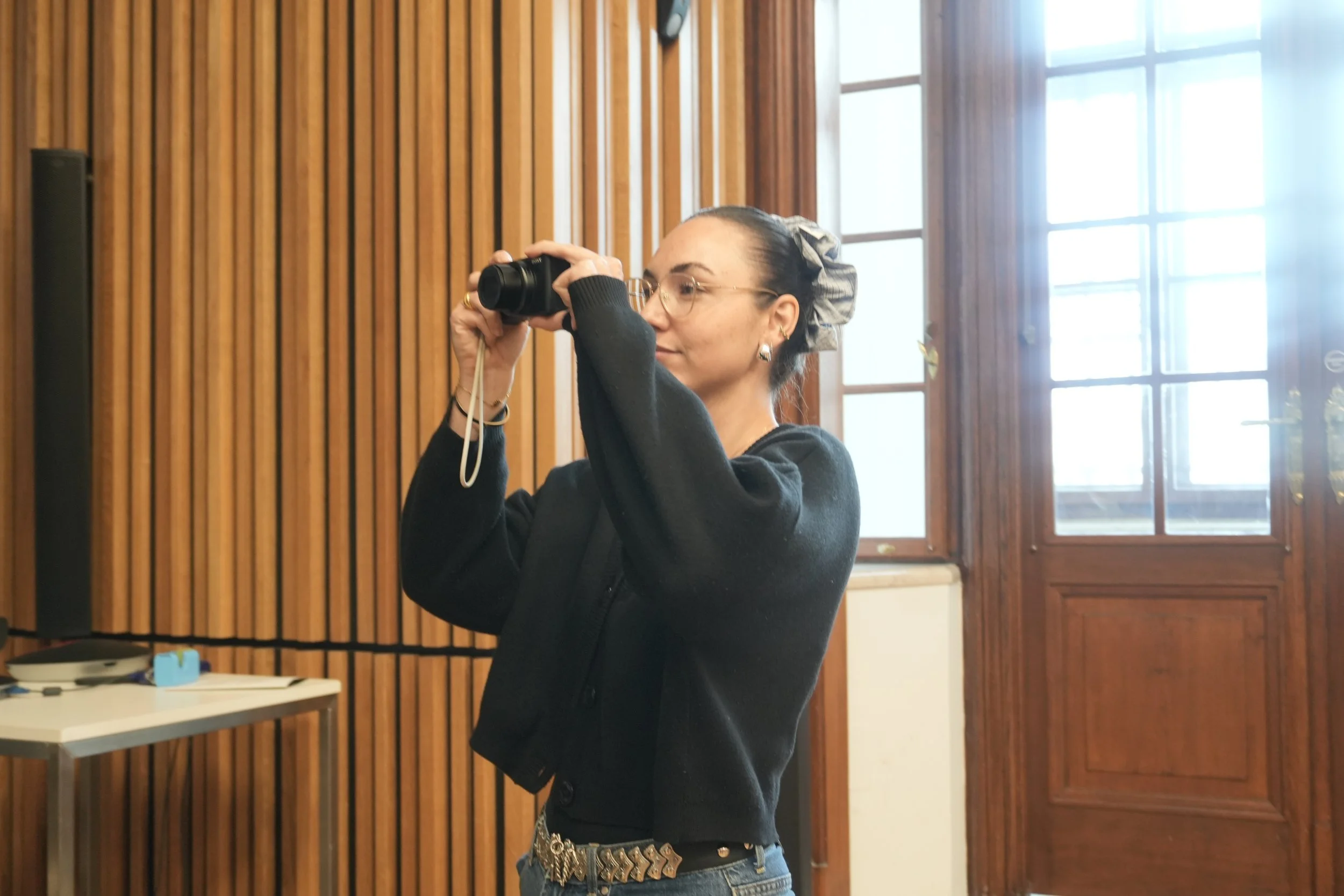
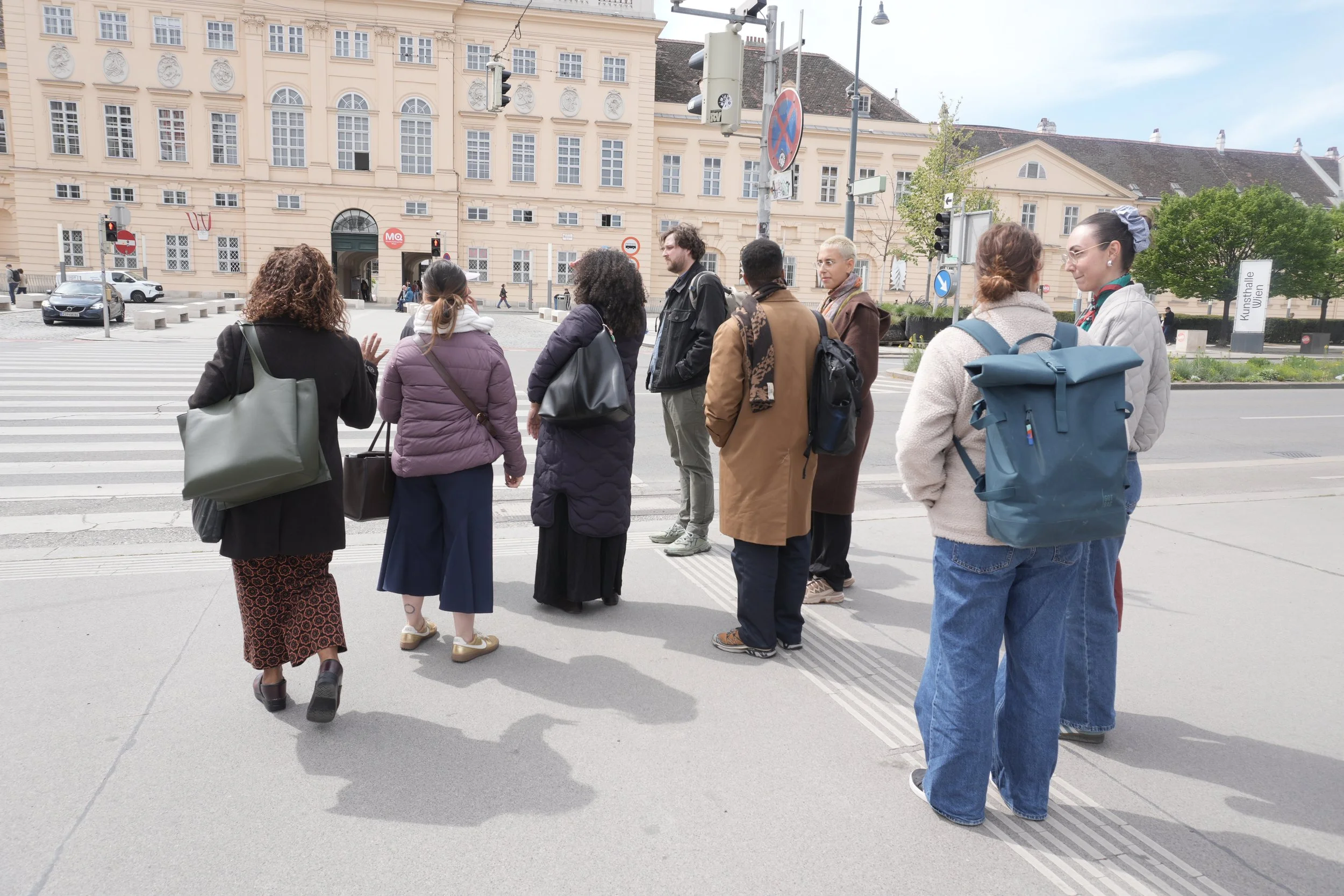
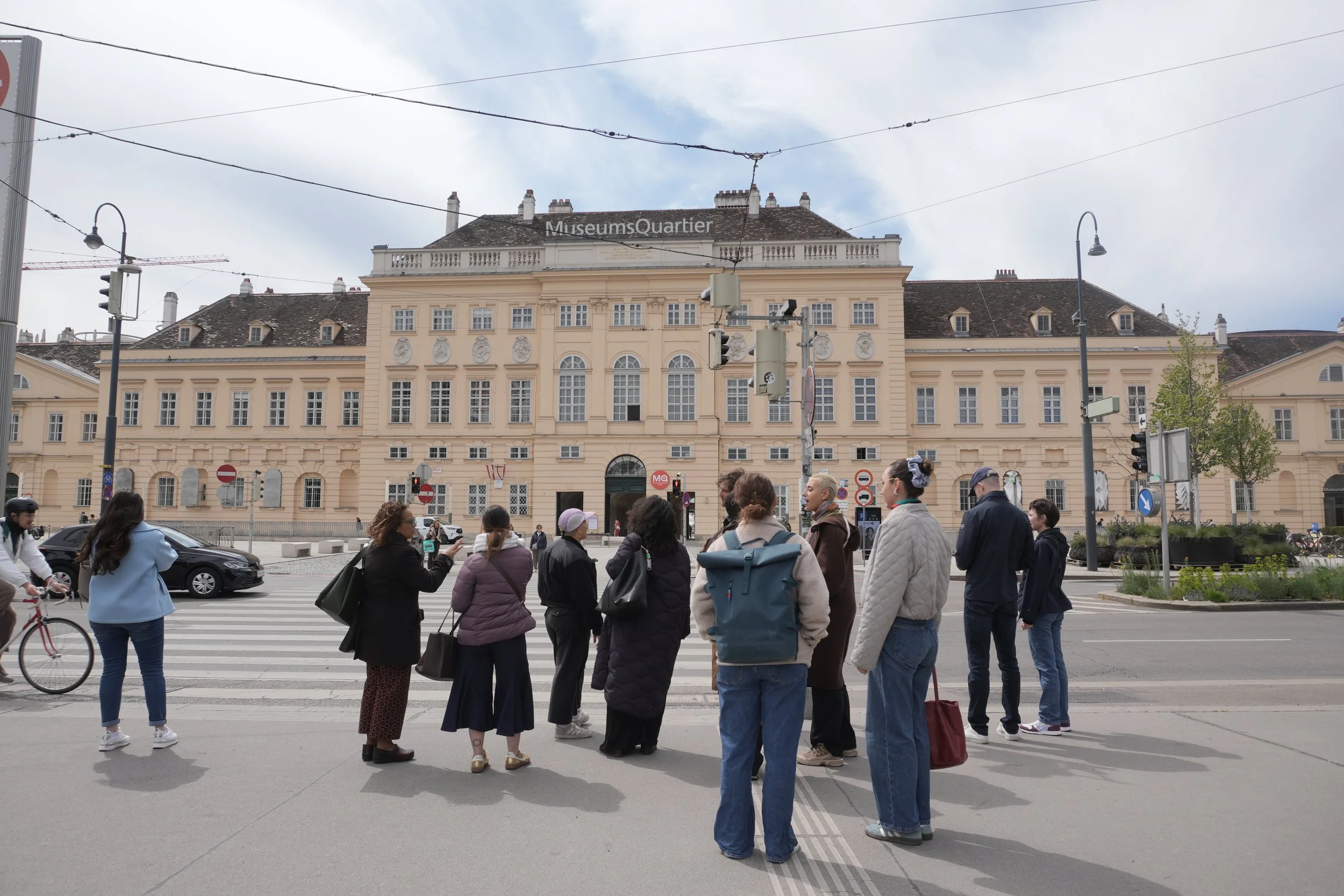
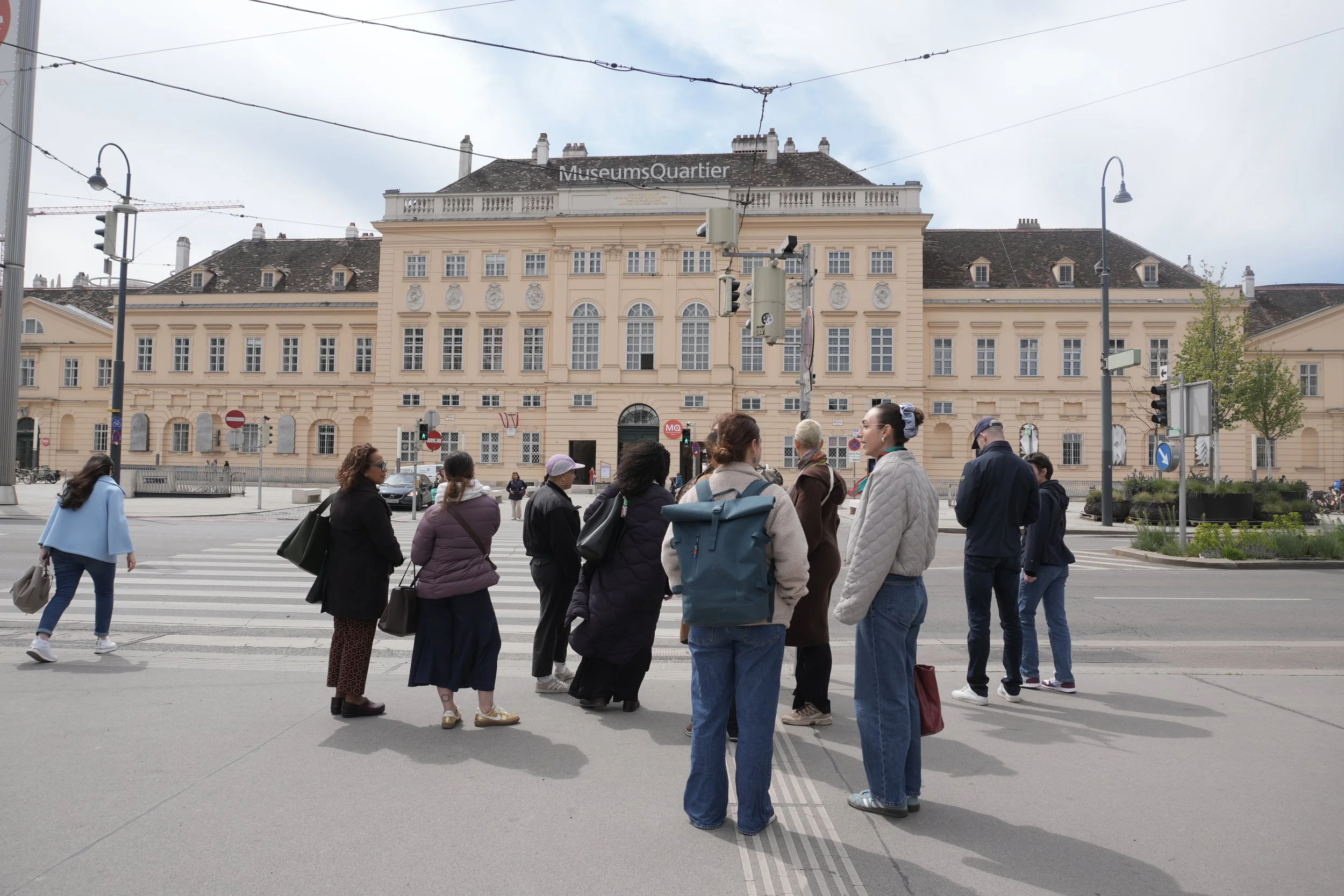
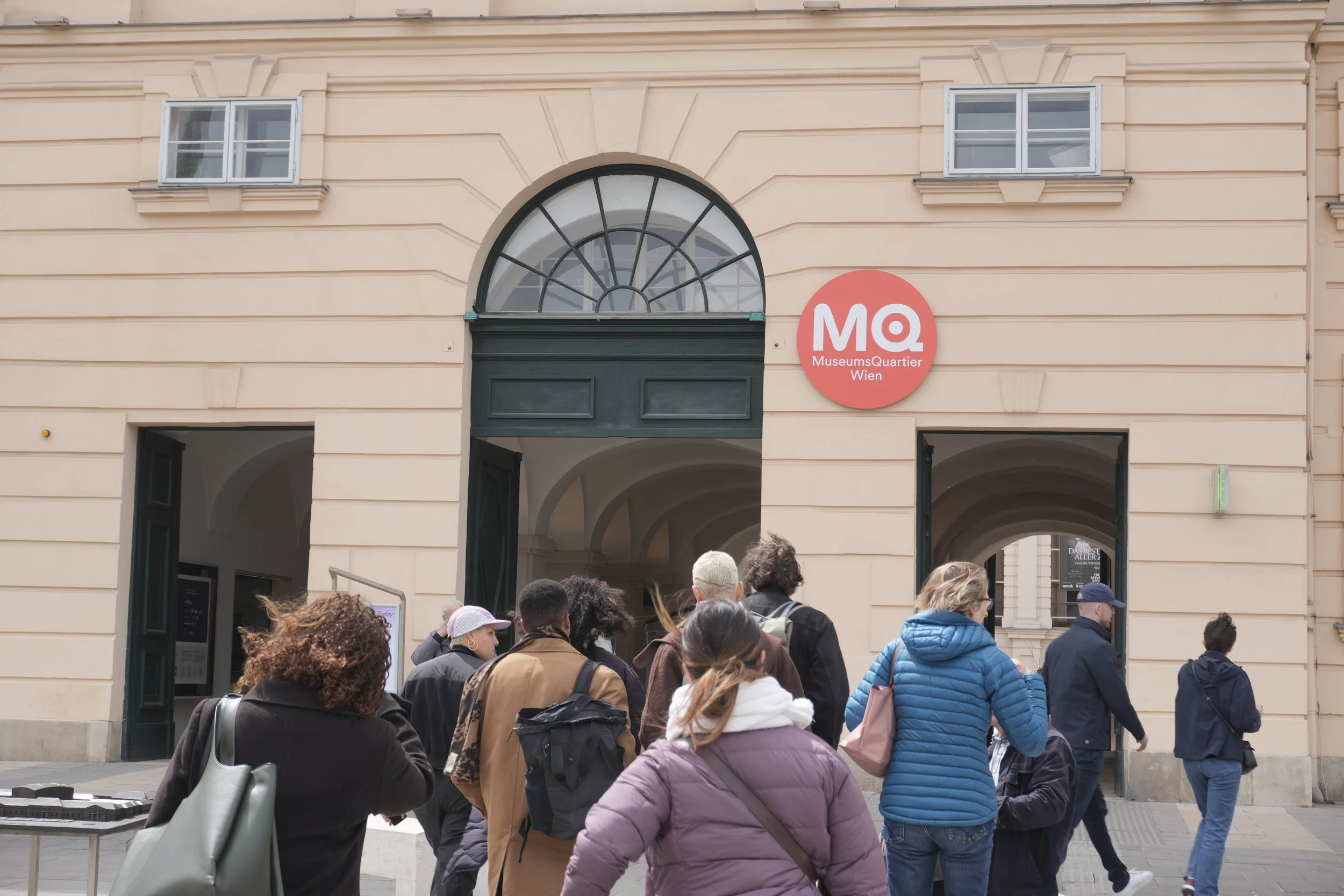
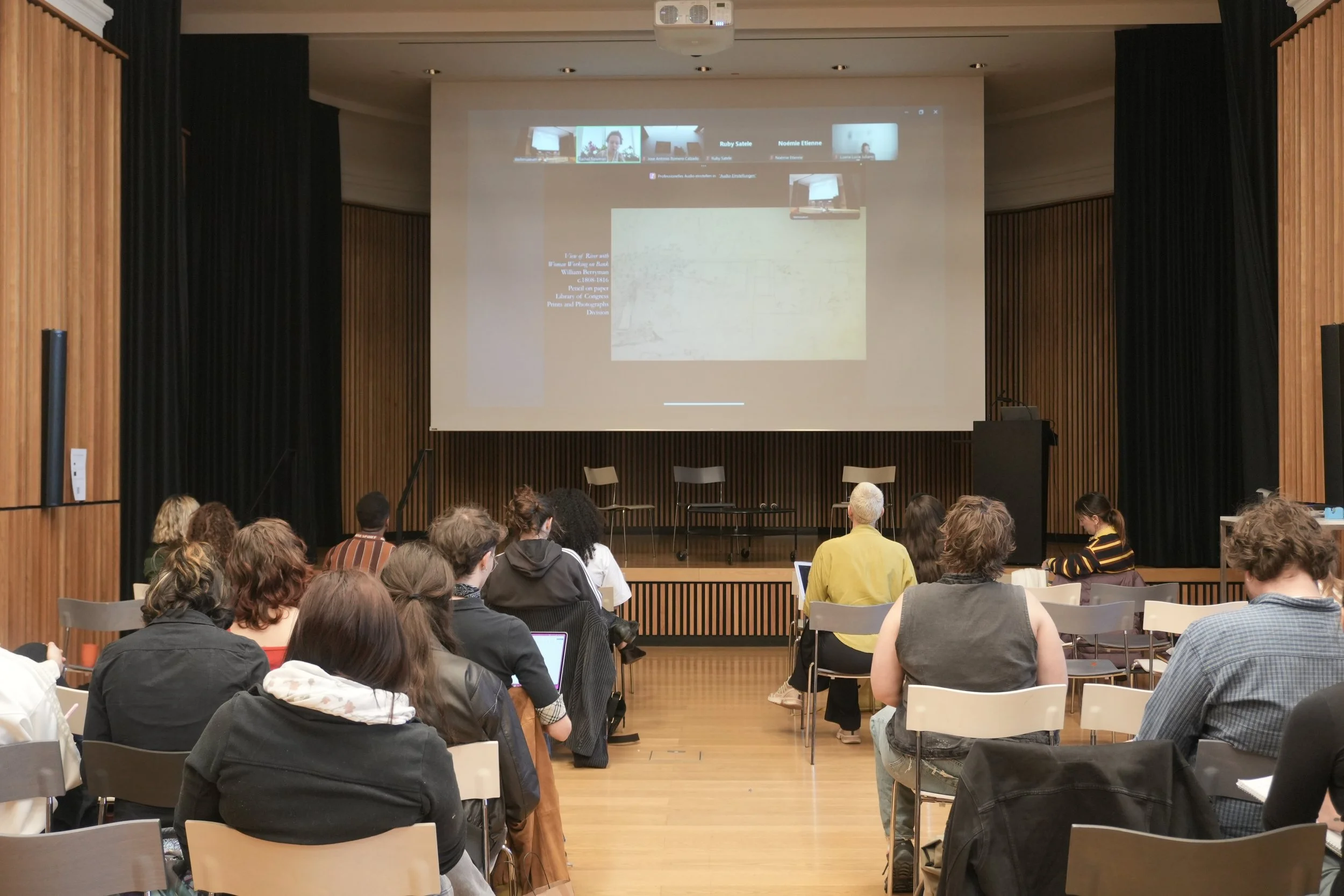
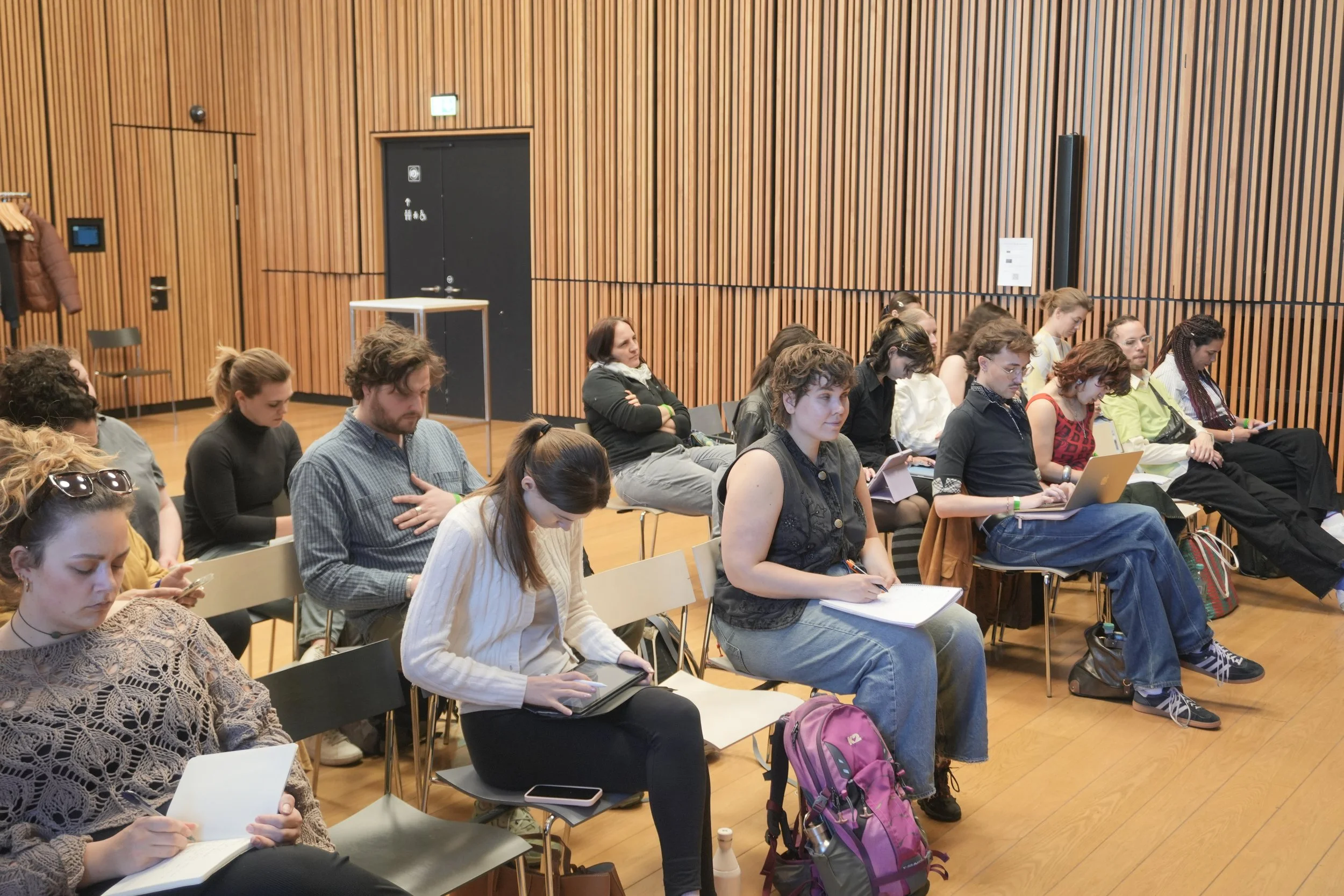
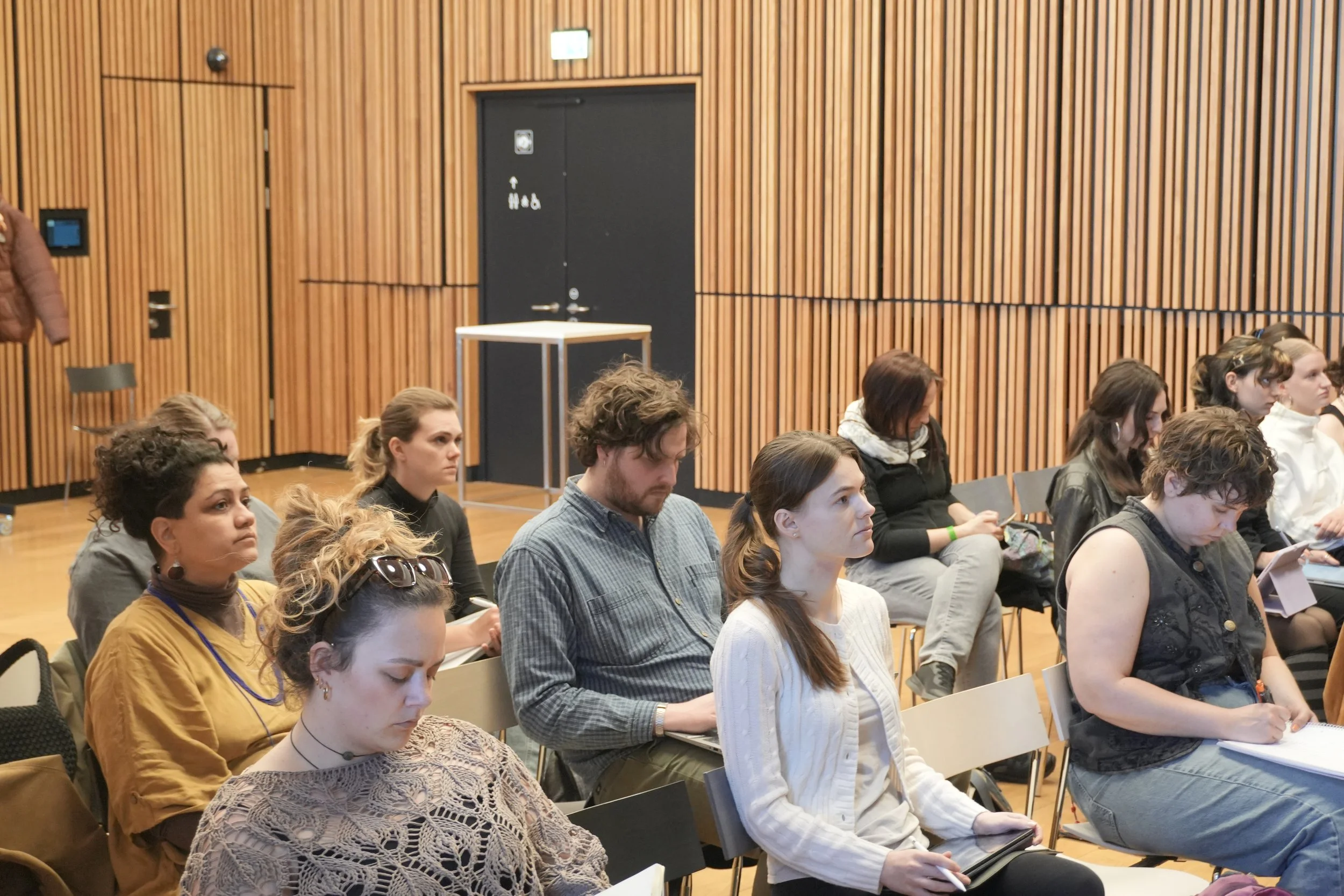
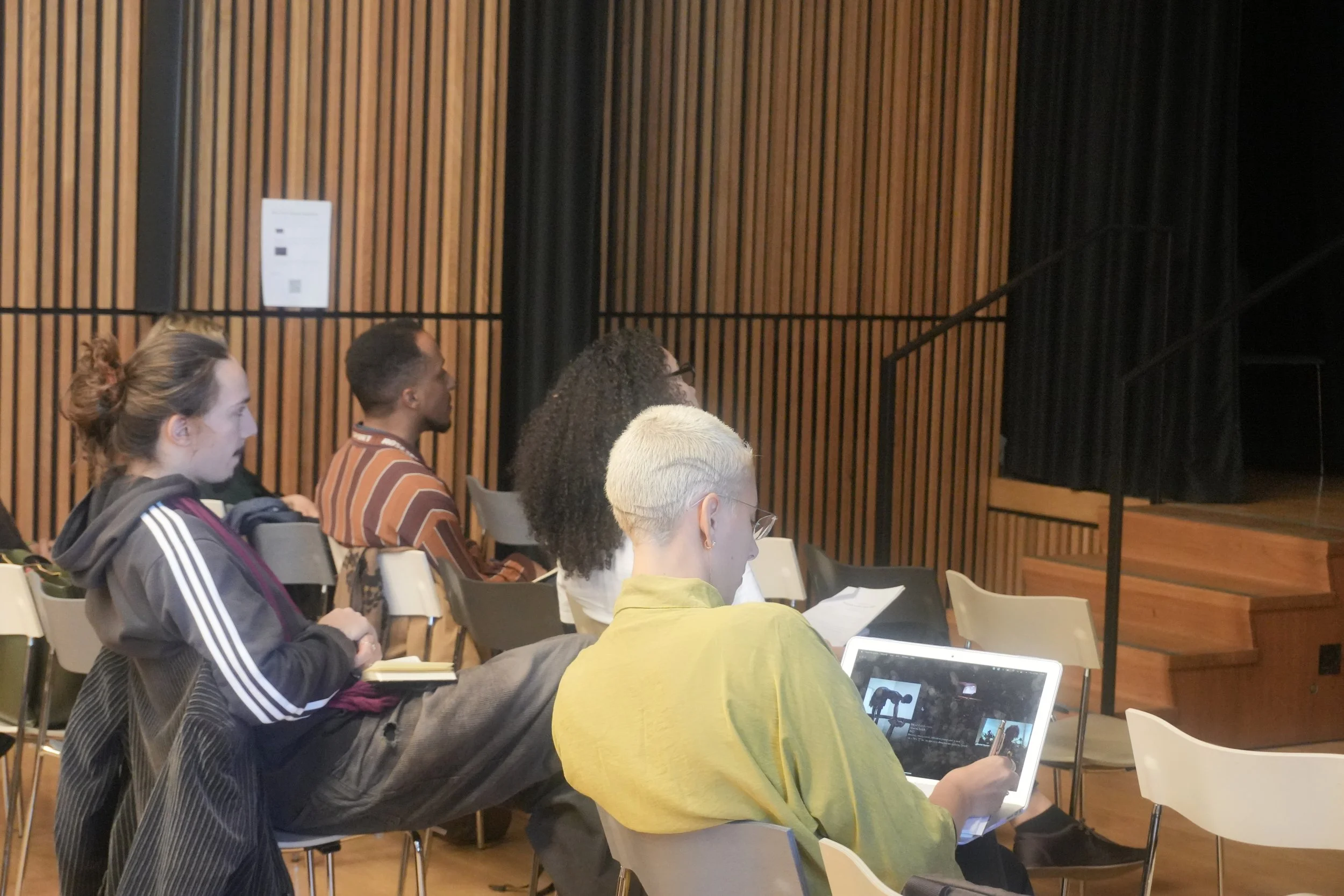
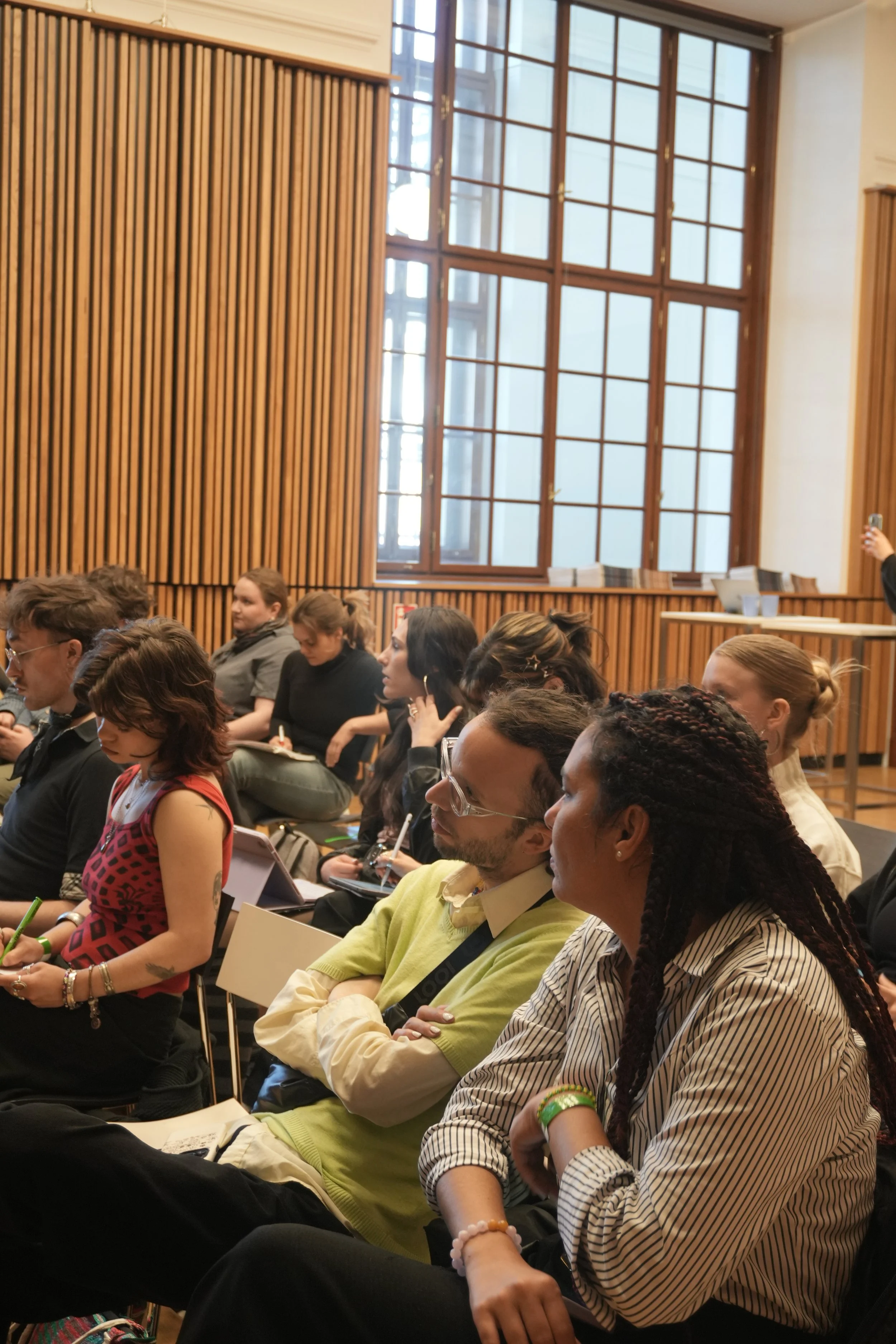
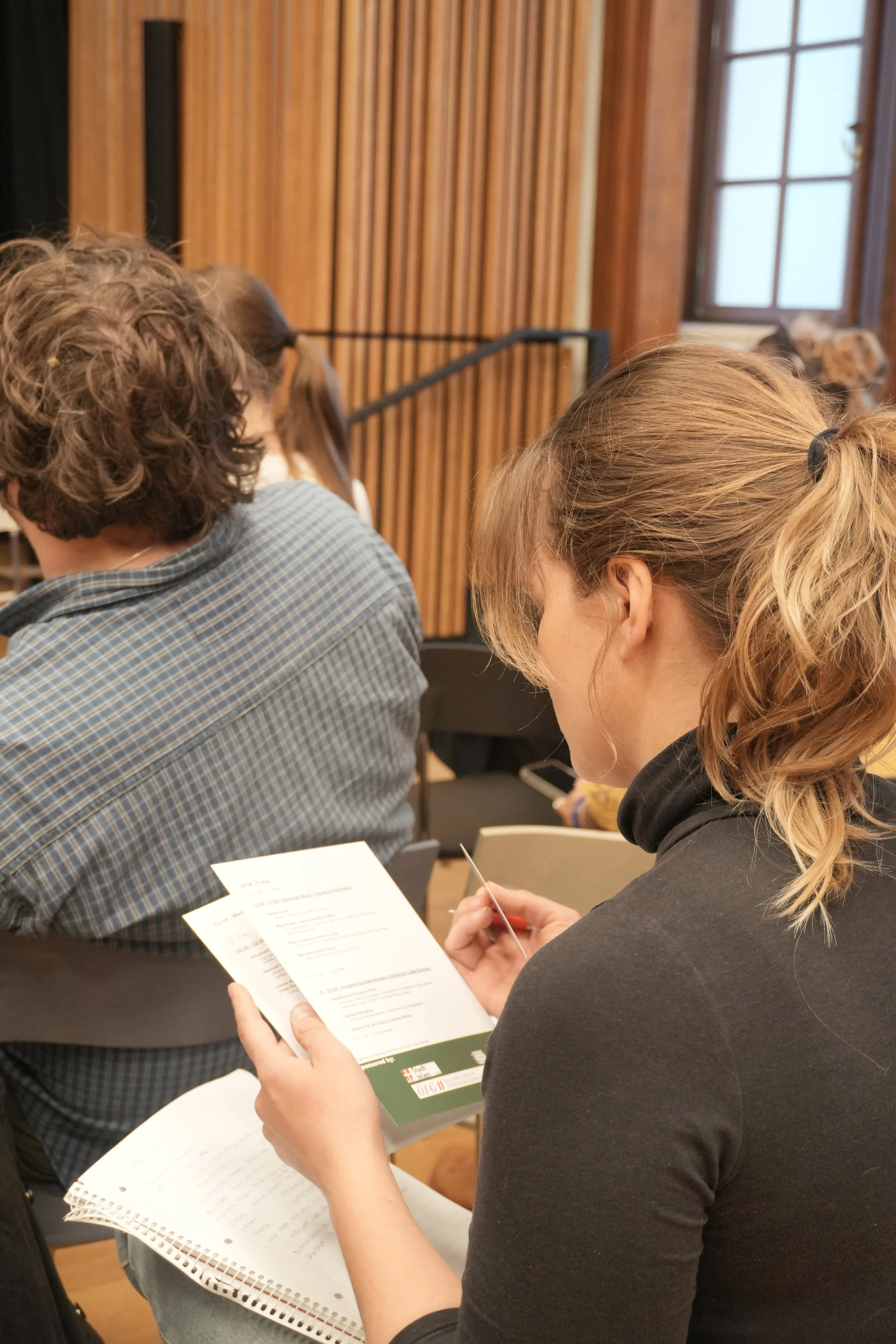
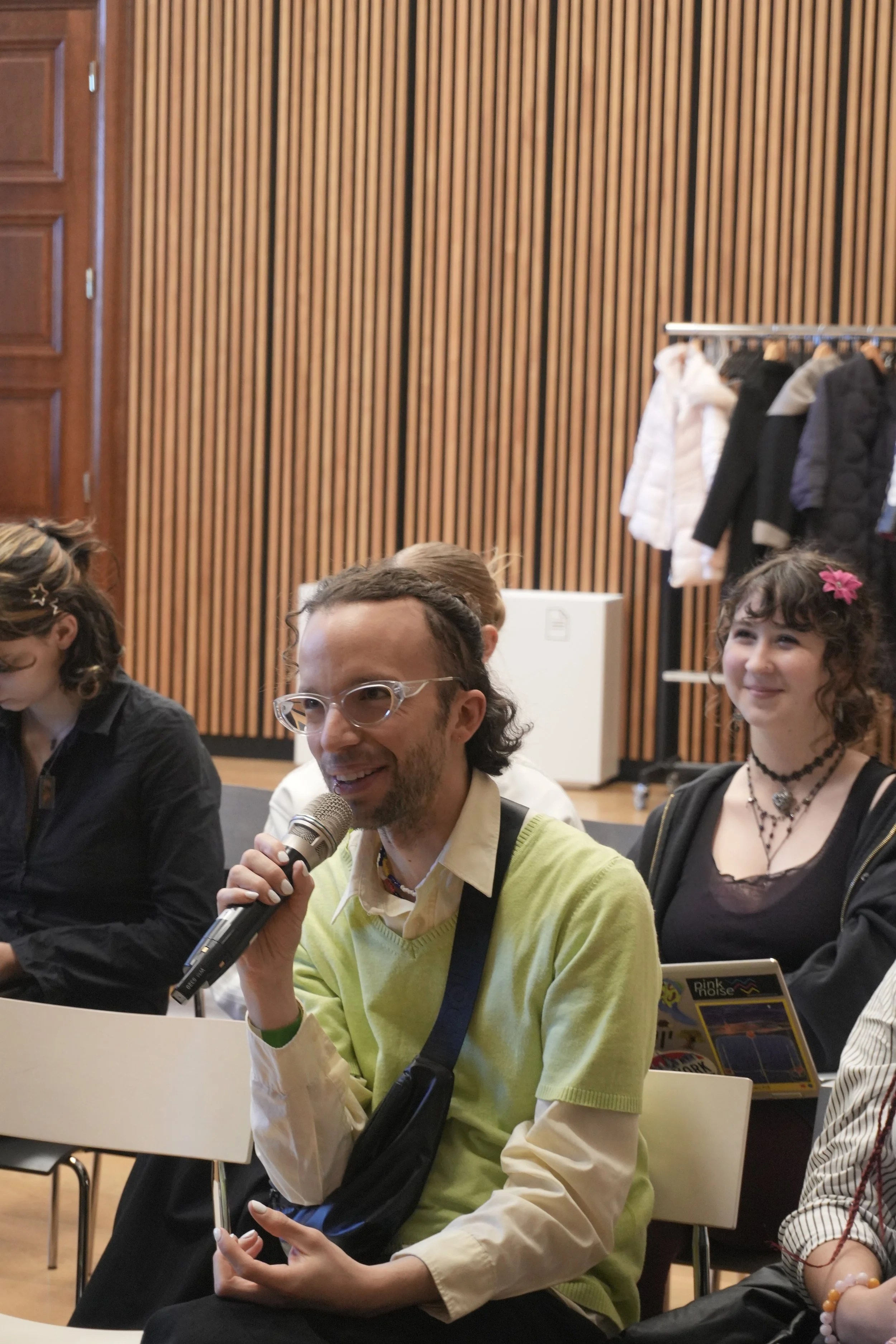
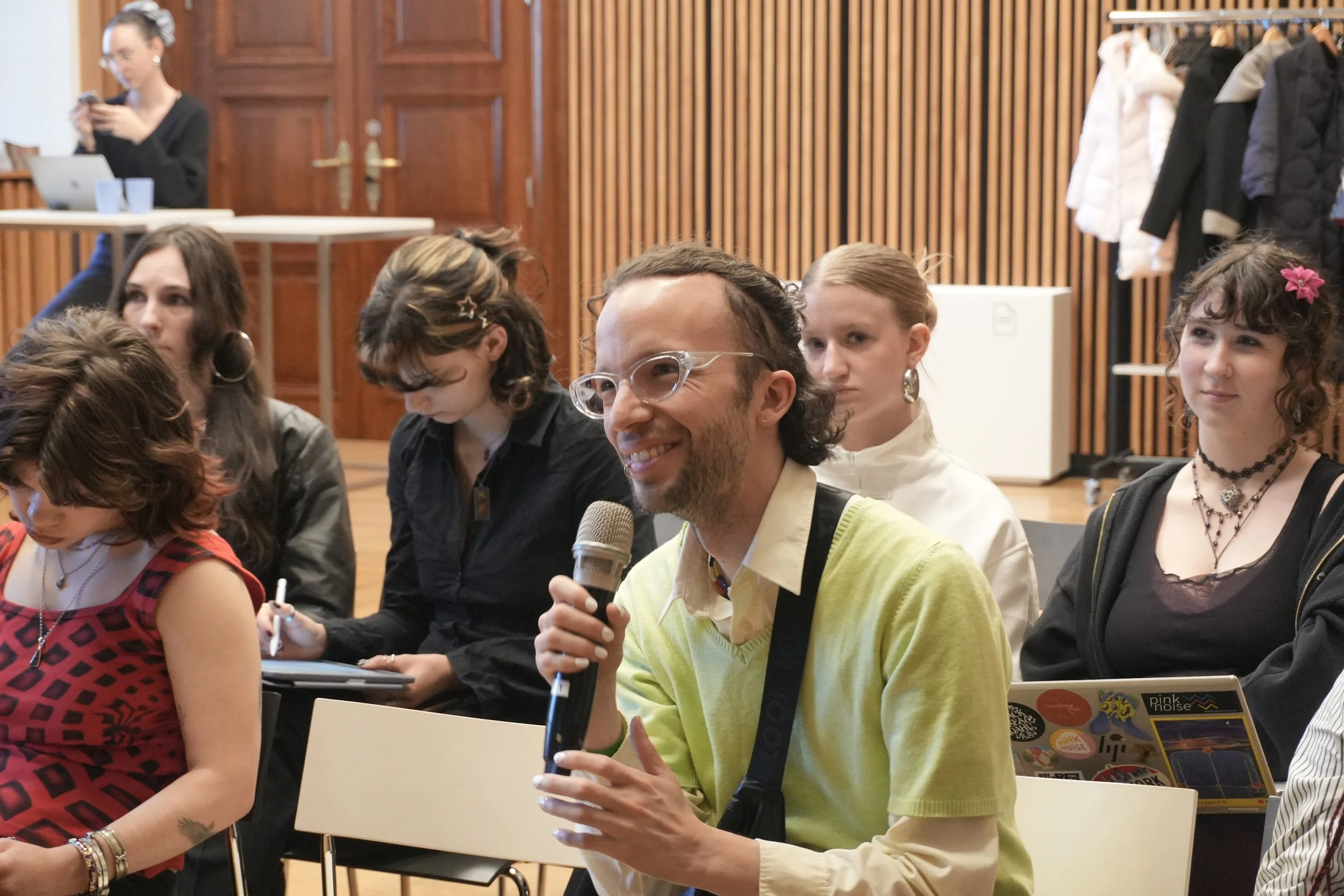
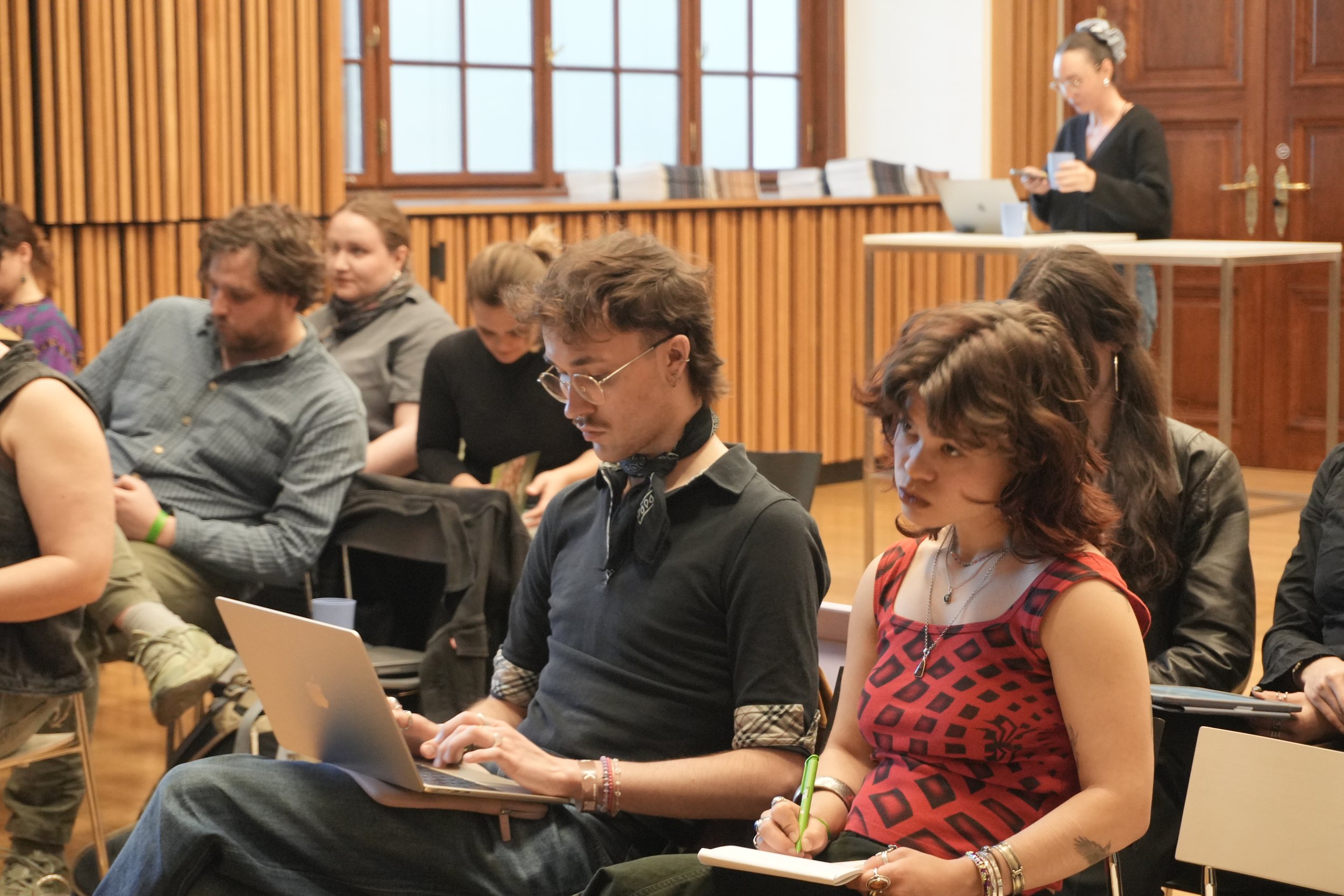
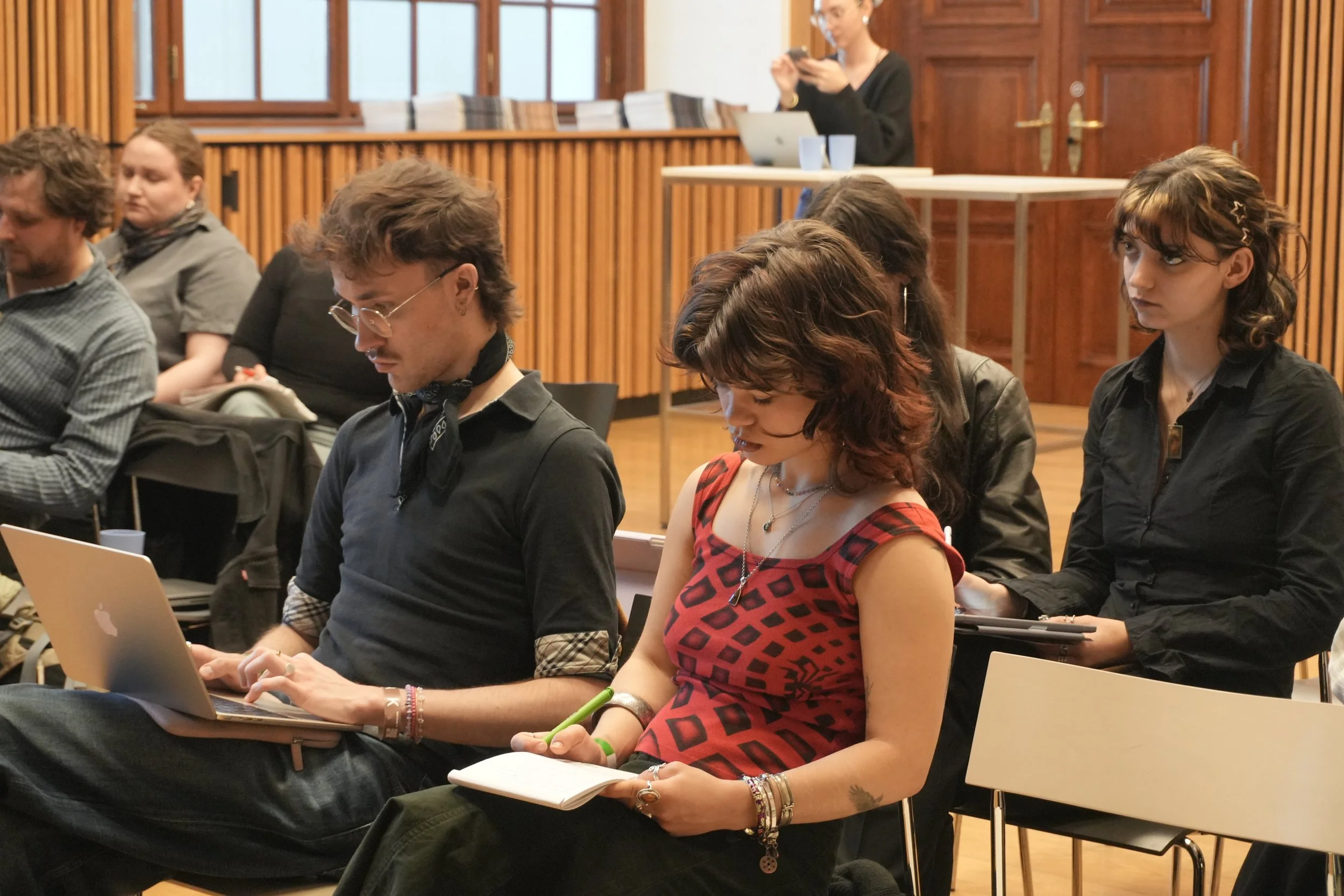
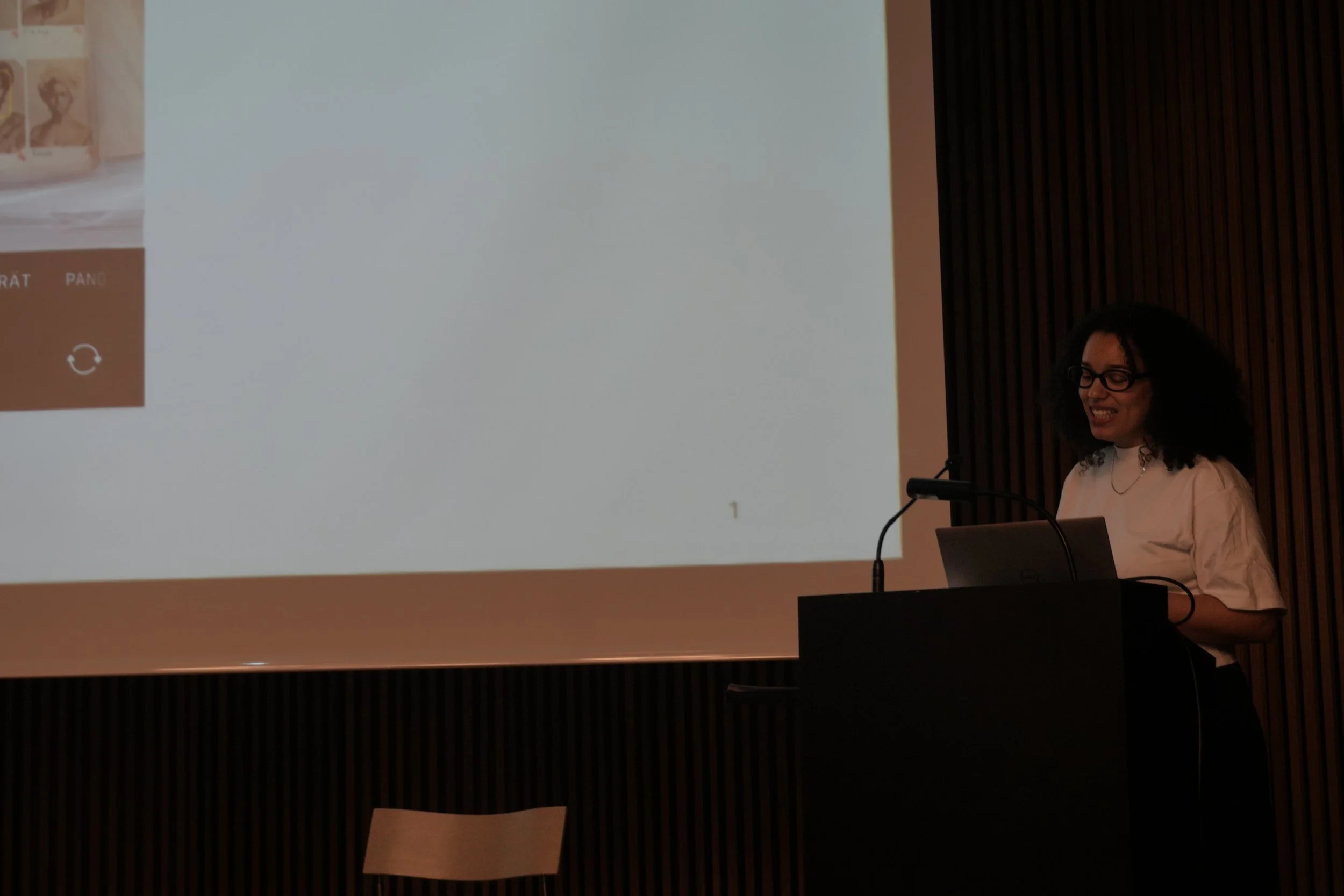
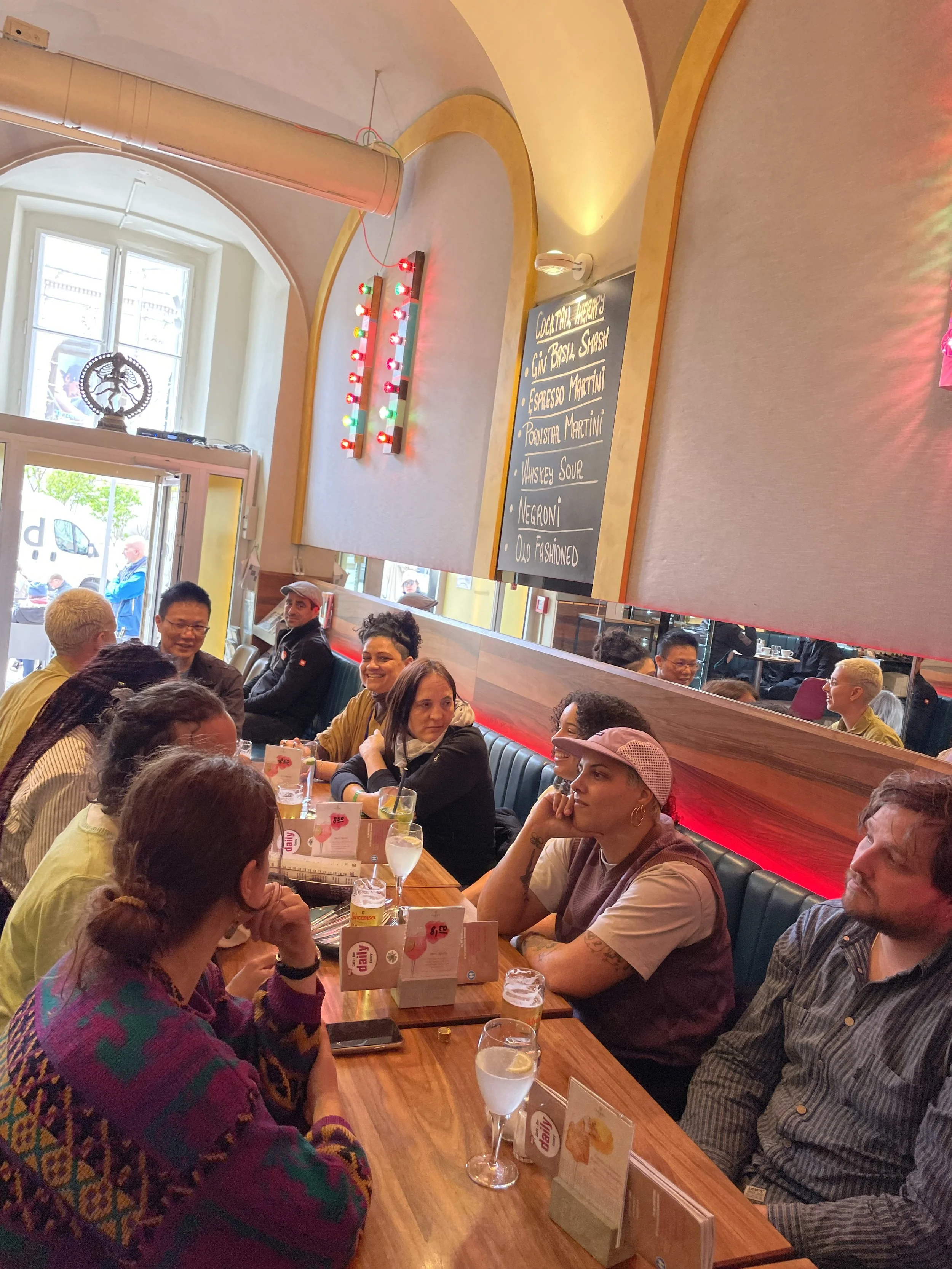
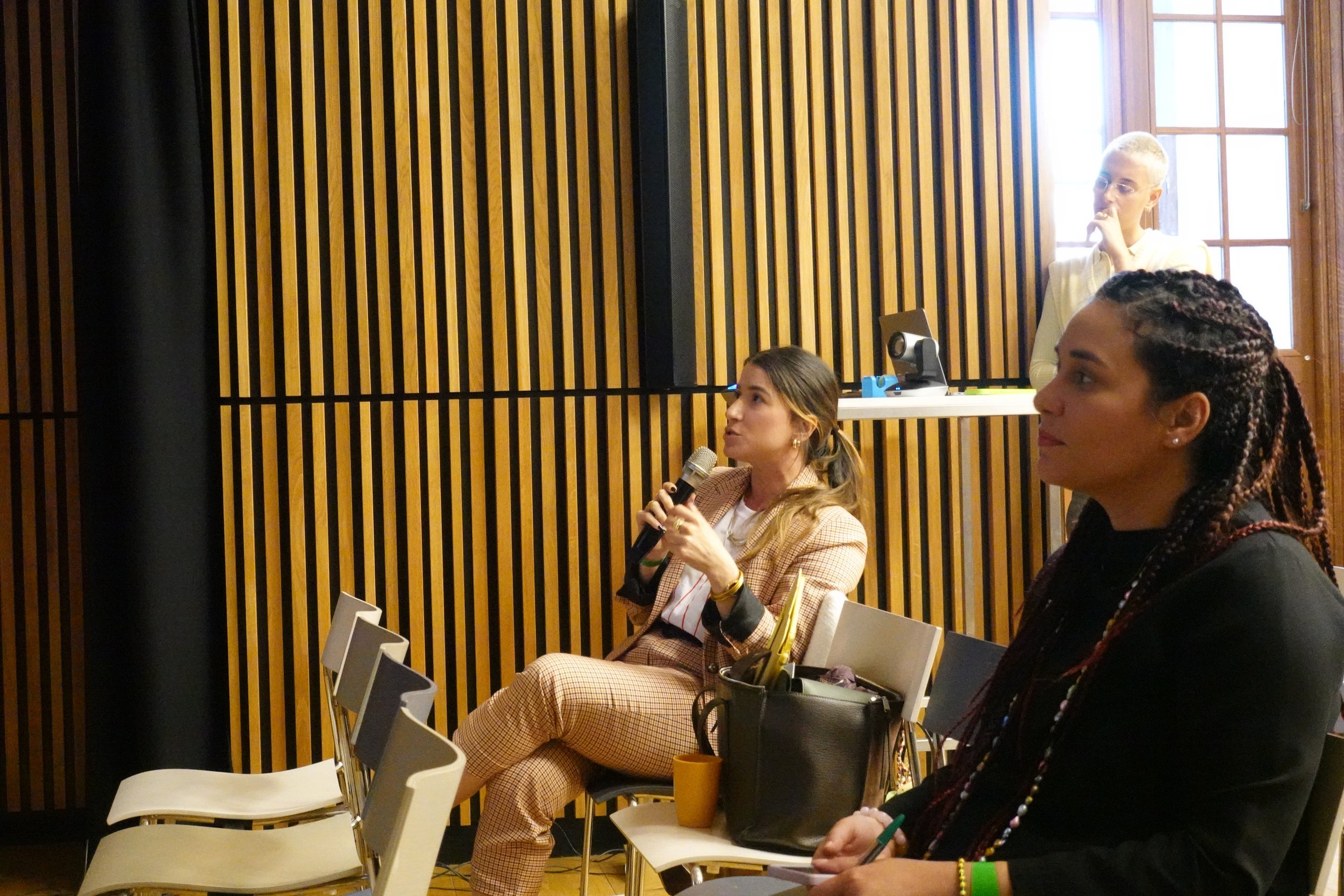
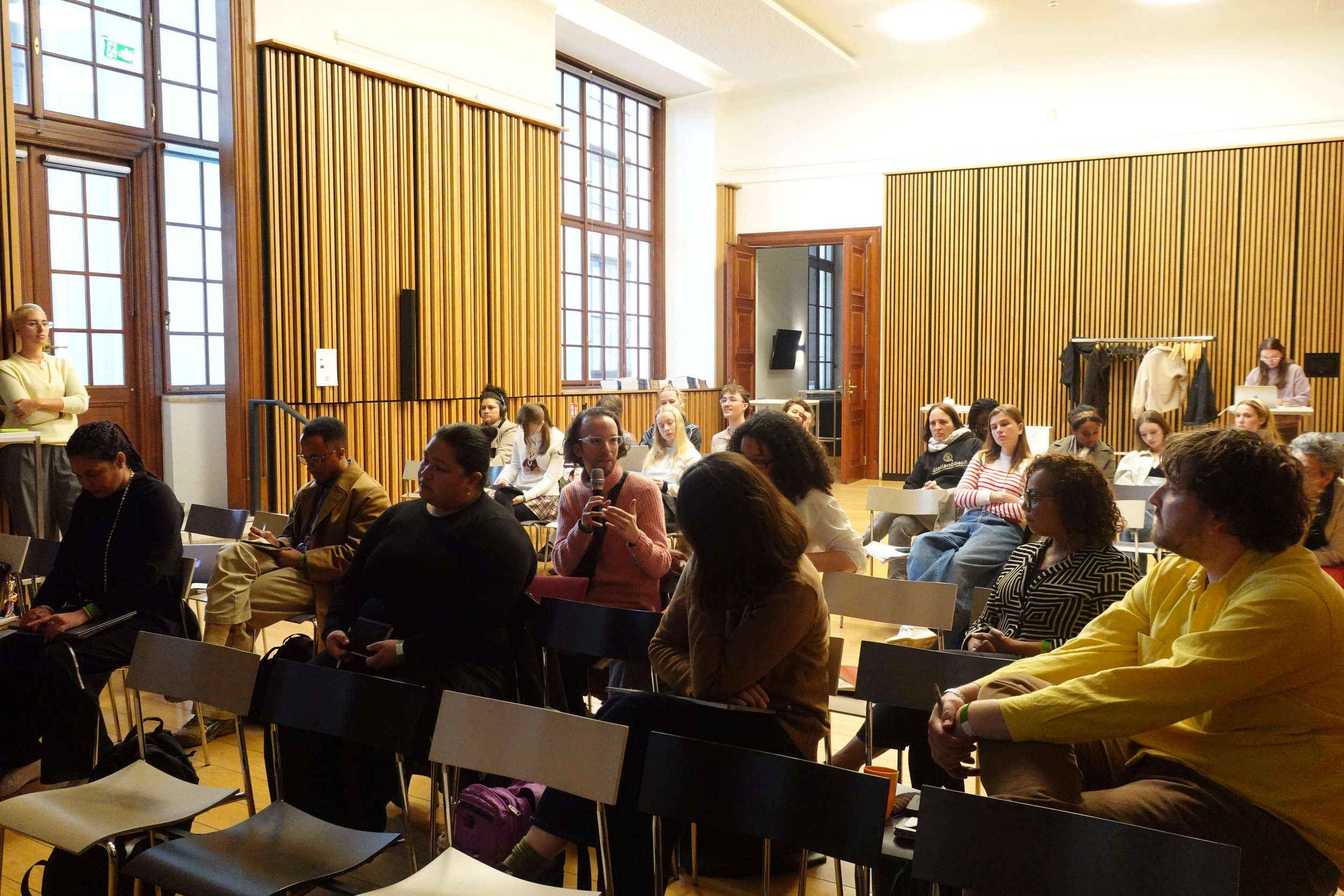
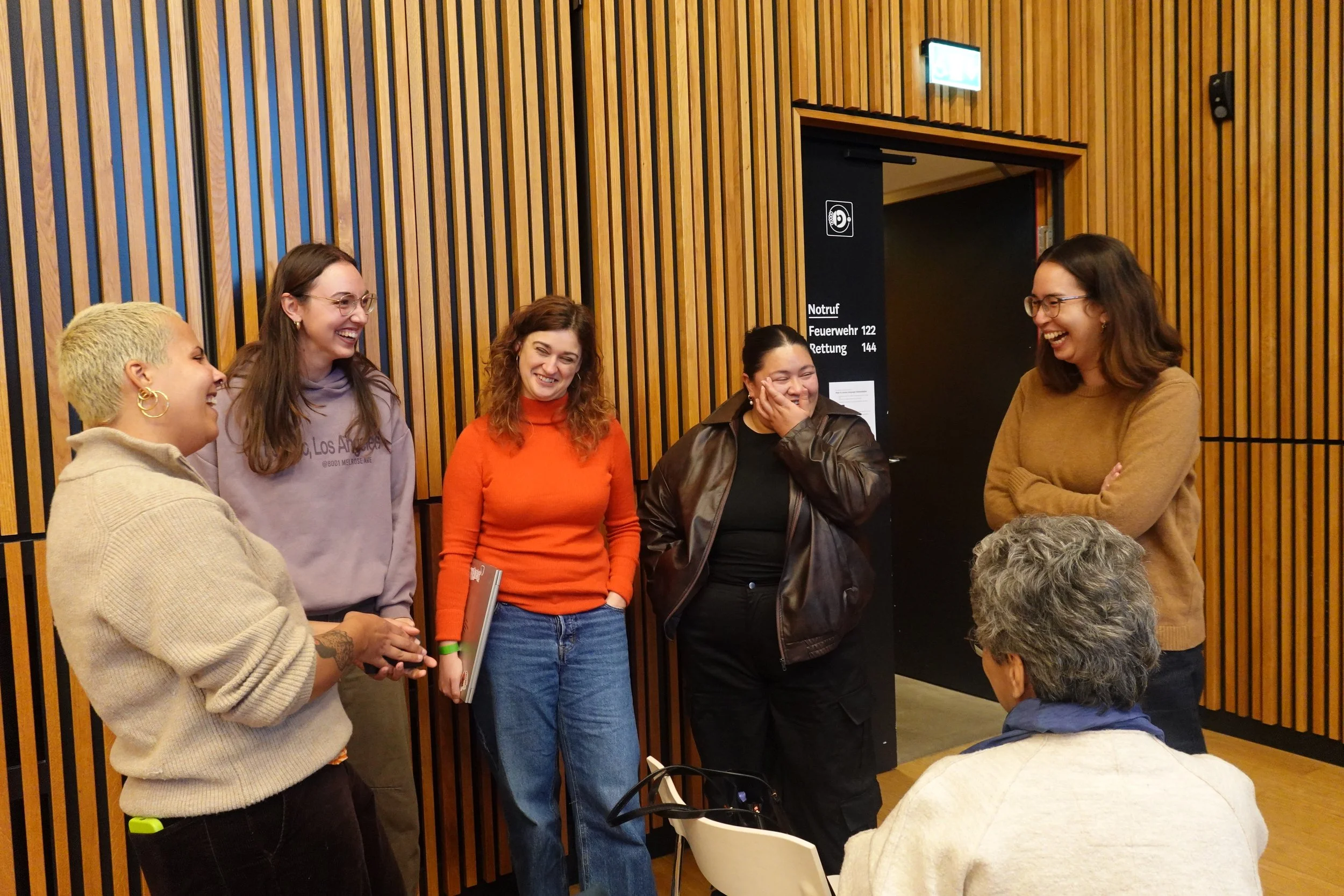
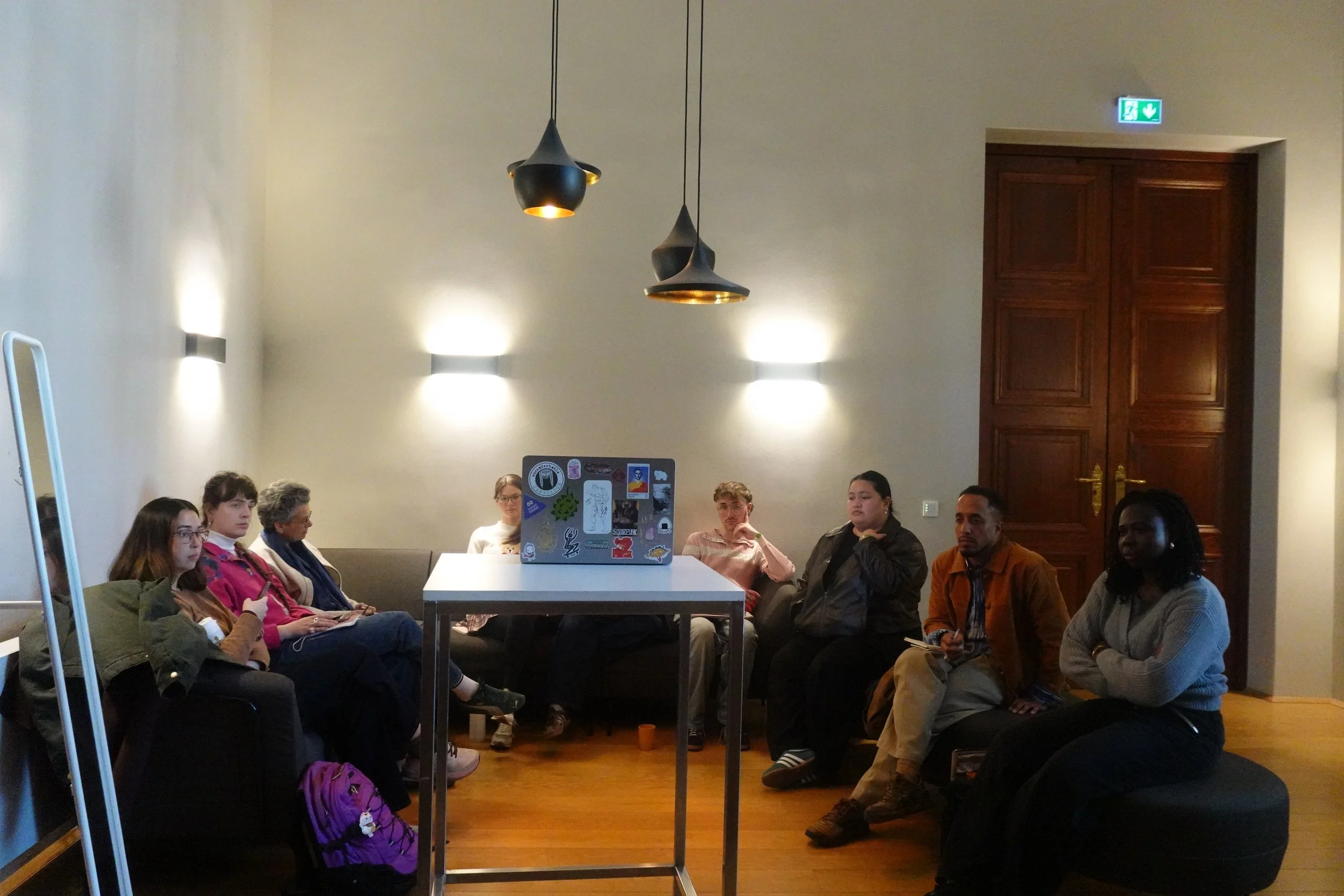
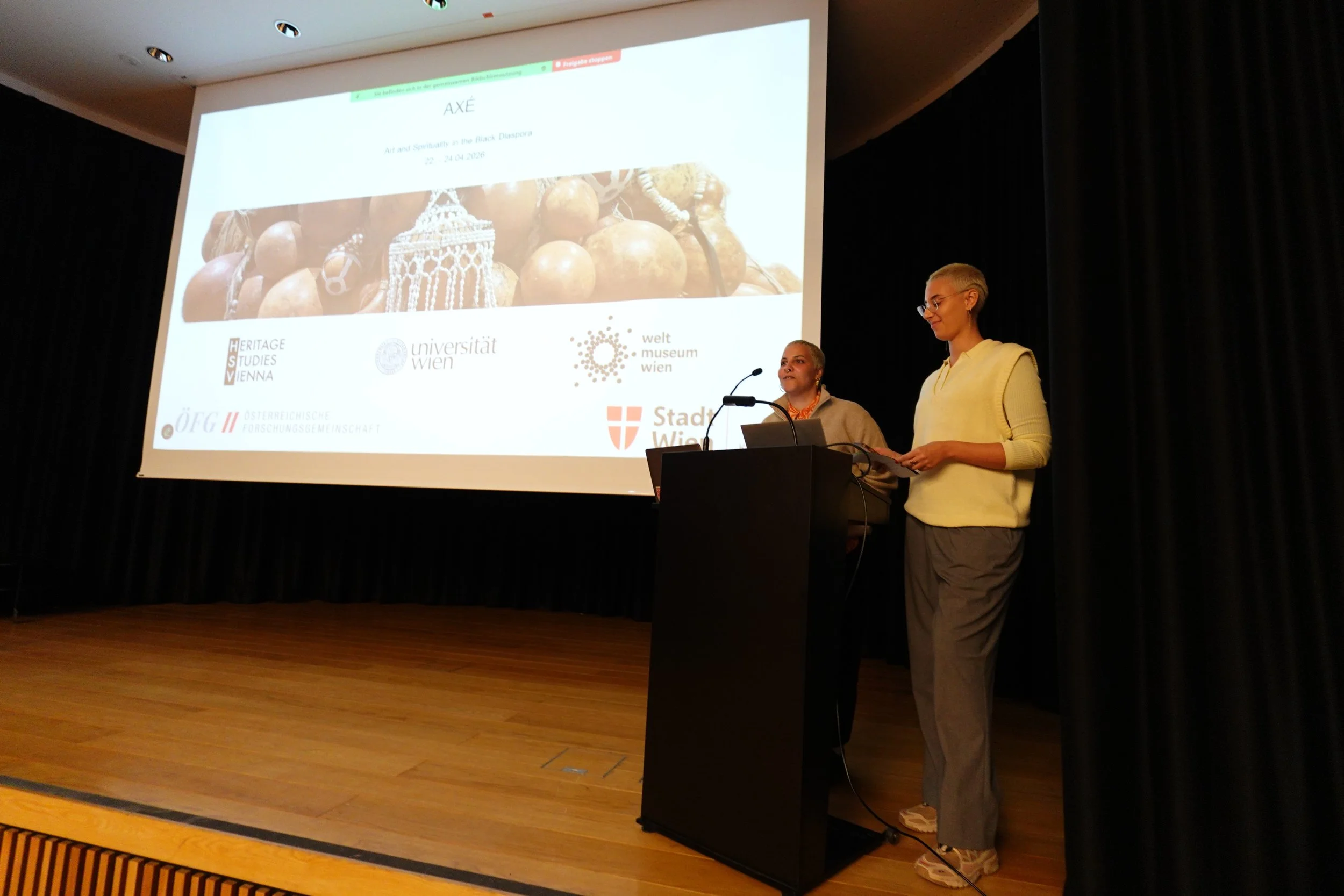
The conference demonstrated the importance of creating spaces where academic research, artistic practice, spirituality, and lived experience can enter into meaningful dialogue. We warmly thank all speakers, participants, and partners who joined us both onsite and online and contributed to this rich interdisciplinary exchange.