Rethinking heritage conservation through local knowledge – by Cécile Mendy
What if the real key to restitution lay not in Western museums, but at the heart of African local knowledge? As cultural artefacts return to the continent, a crucial question arises: how can we conserve them without replicating models inherited from outside? Indigenous practices, long marginalised, are now proving their full relevance in the face of contemporary heritage challenges. Rethinking conservation based on this knowledge paves the way for more just, sustainable restitutions that are deeply rooted in African realities.
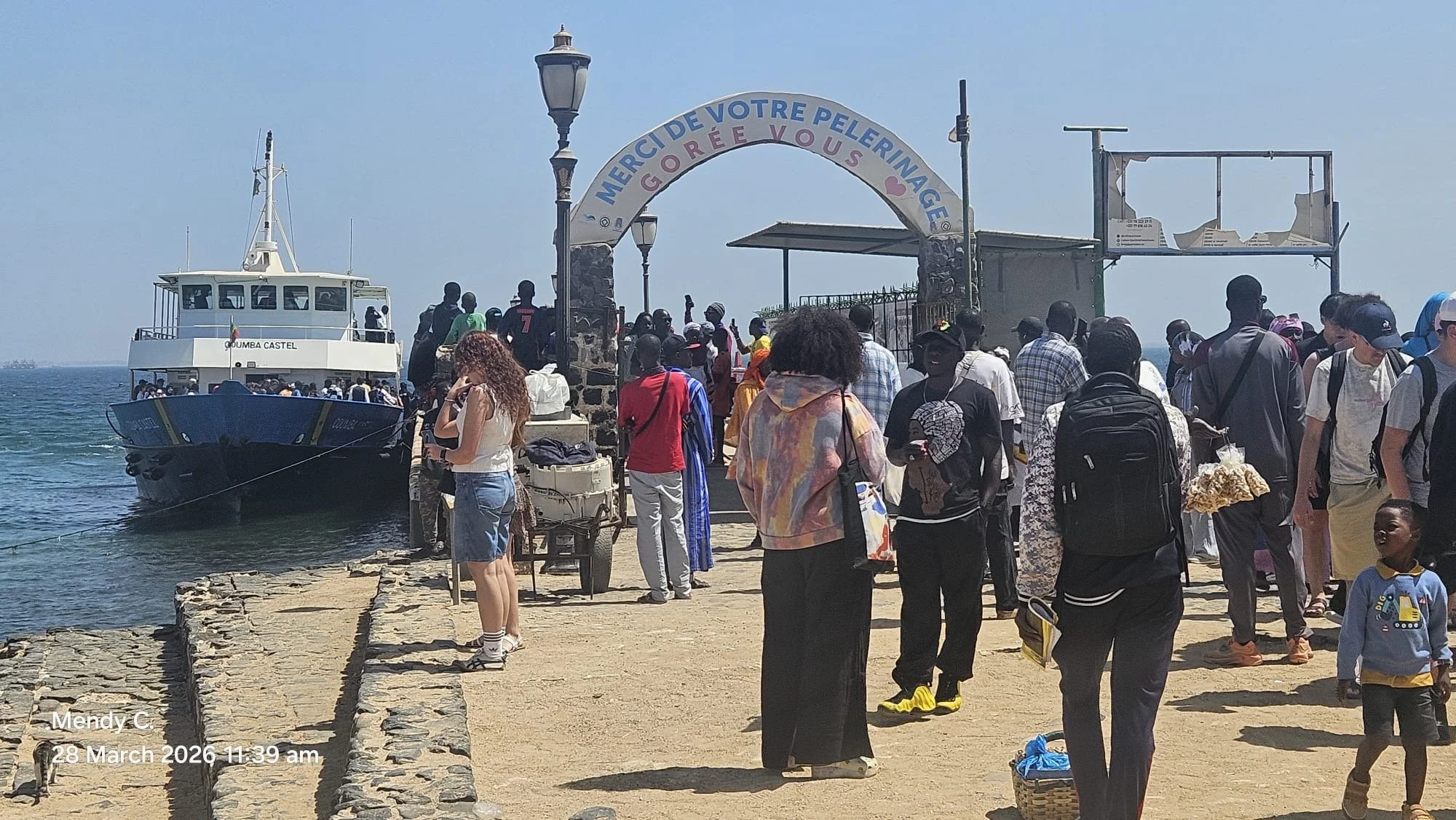
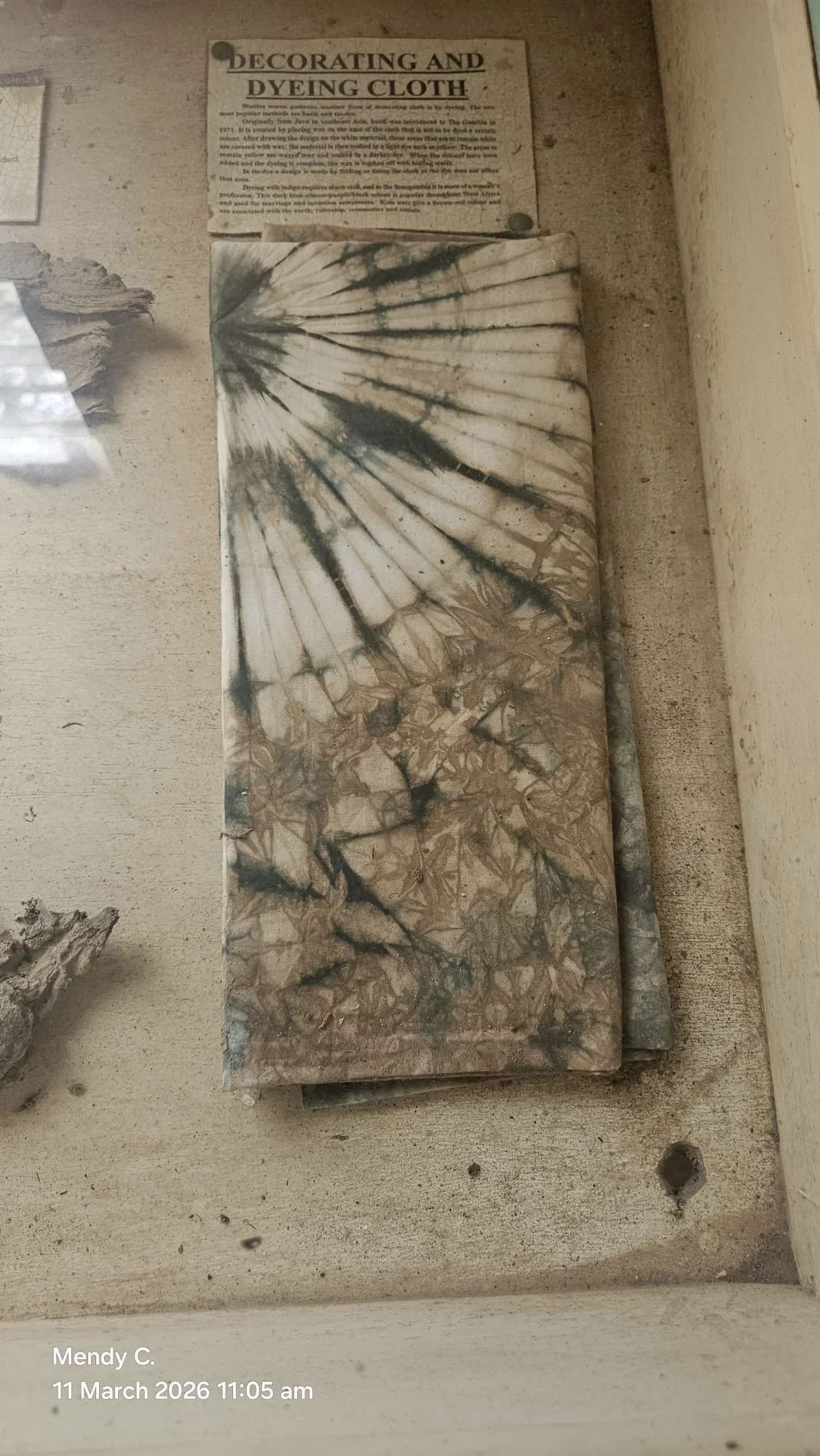
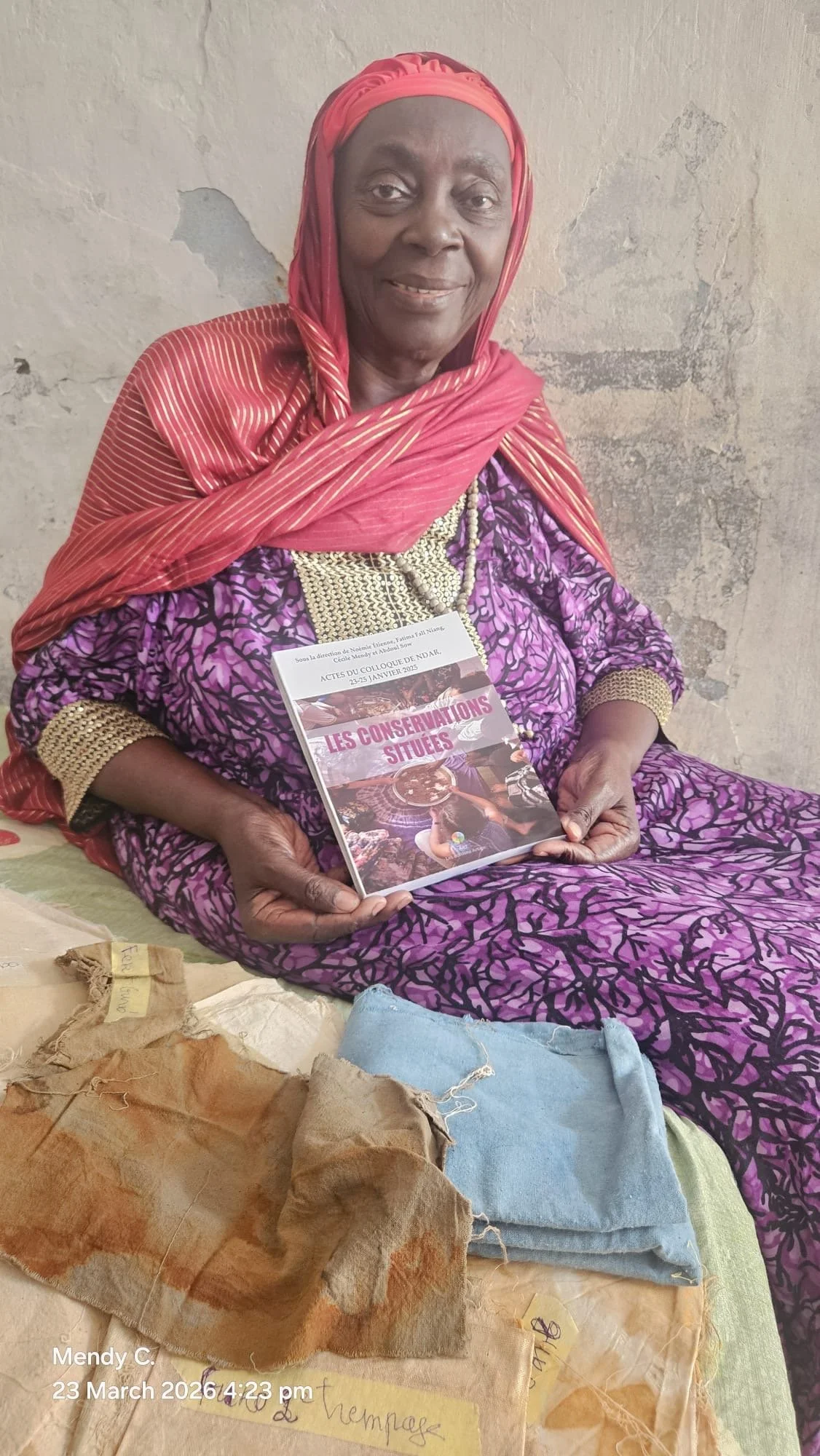
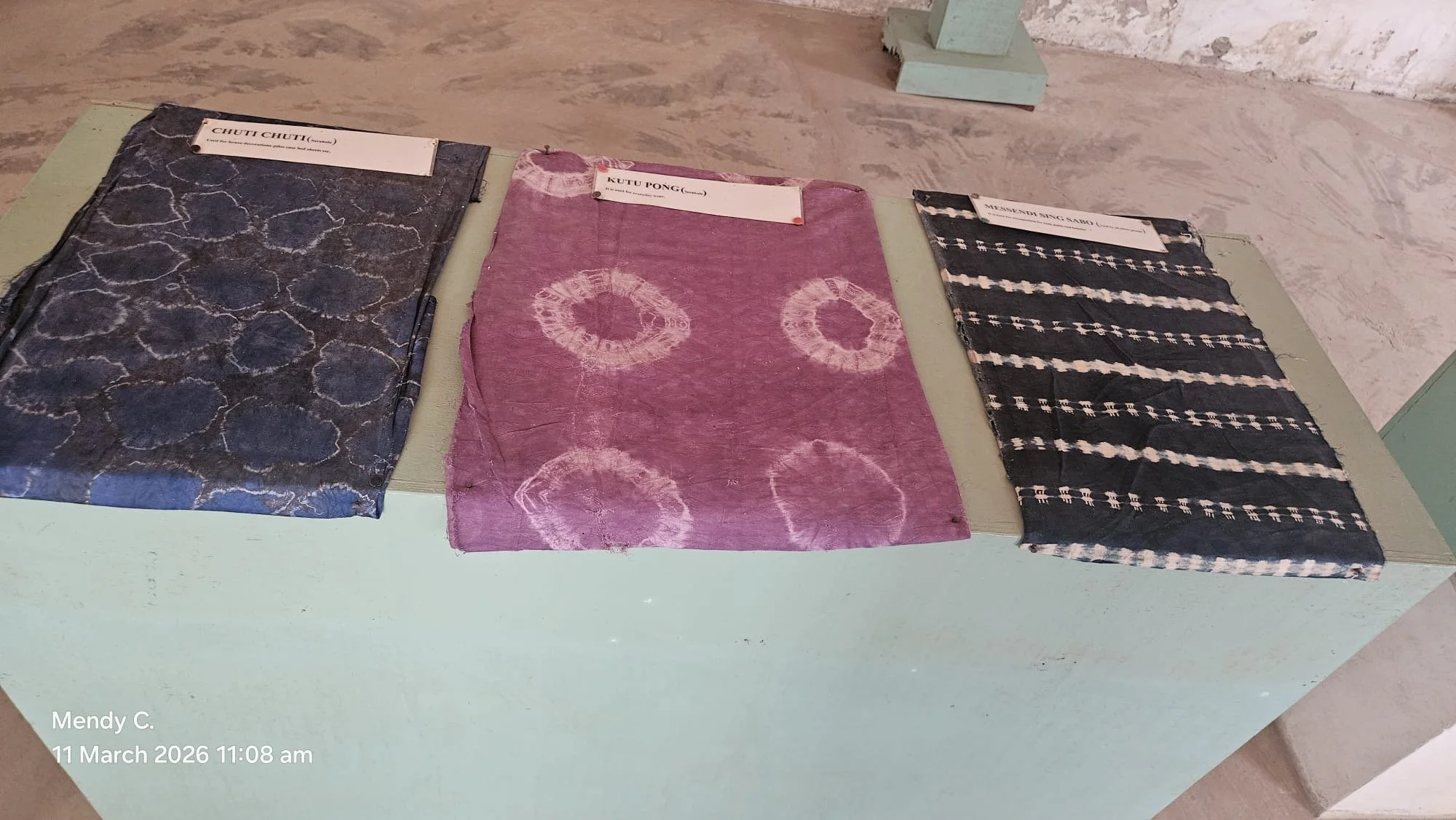
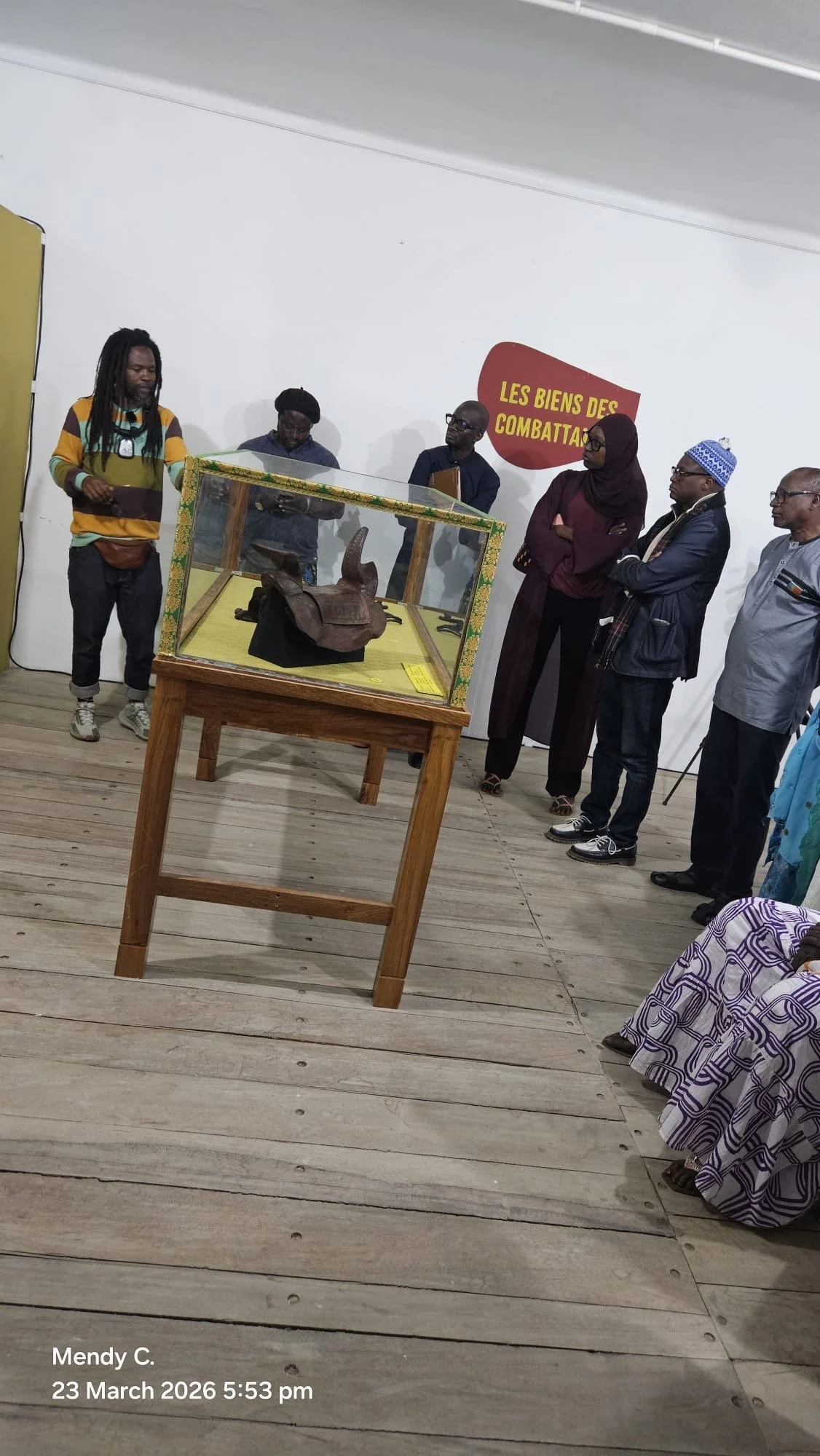
Between 19 February and 31 March 2026, I had the opportunity to undertake a research visit to Senegal as part of my PhD thesis on endogenous heritage conservation practices. This fieldwork, conducted between Dakar, Gorée Island and Saint-Louis, provided an opportunity to combine participation in academic events, field surveys and archival research.
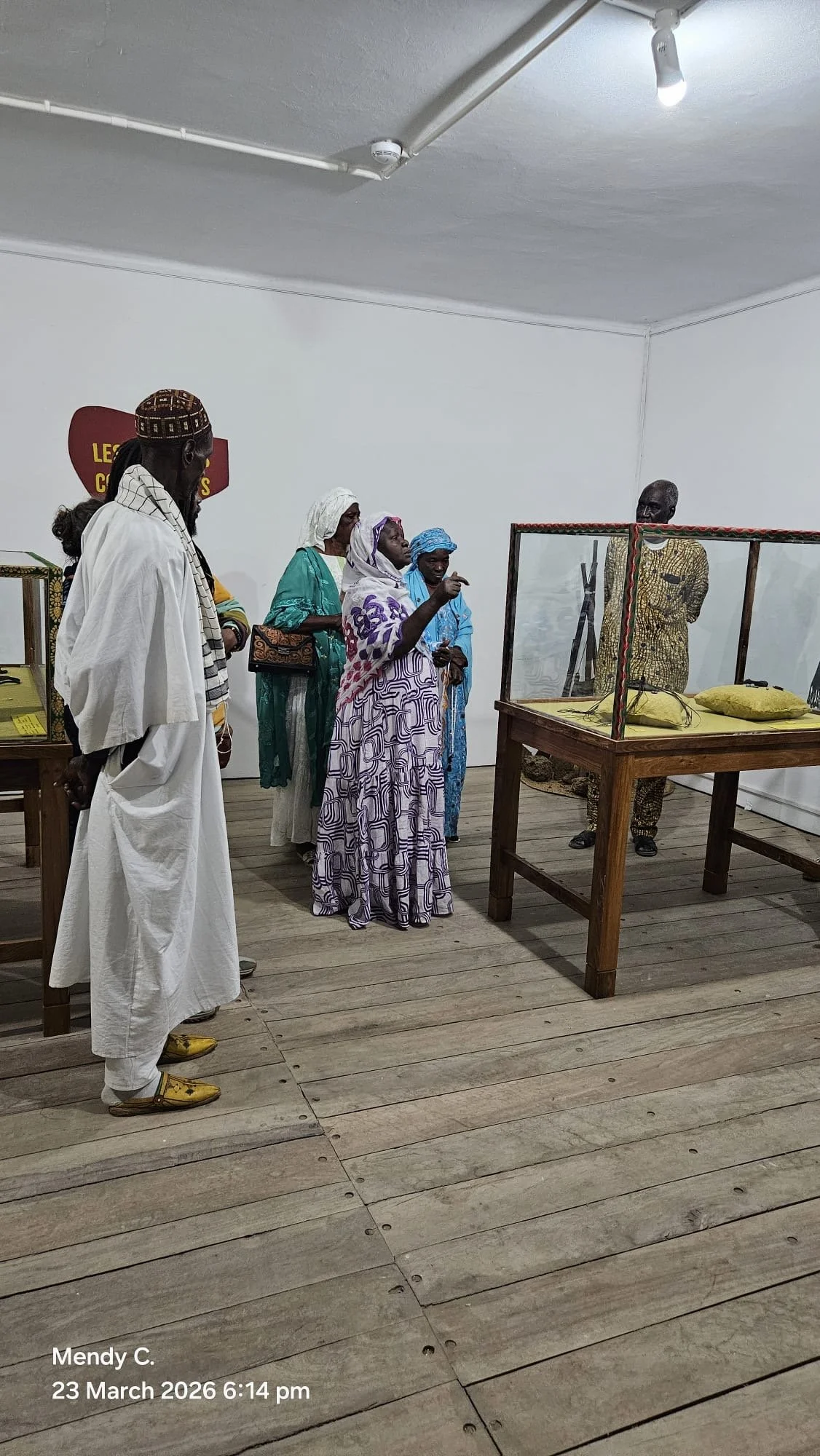
A key part of this stay was my participation in the symposium ‘Sovereignty and the Restitution of Cultural Property’ (23–26 February 2026), a significant moment for collective reflection on current heritage issues. These discussions highlighted both the tensions and the prospects surrounding the processes of restitution of African cultural property. In this context, it seems essential to devise more sustainable approaches, rooted in African social, cultural and historical realities. Rather than a simple transposition of external models, these endogenous practices pave the way for a redefinition of heritage policies that are more inclusive and adapted to local contexts.
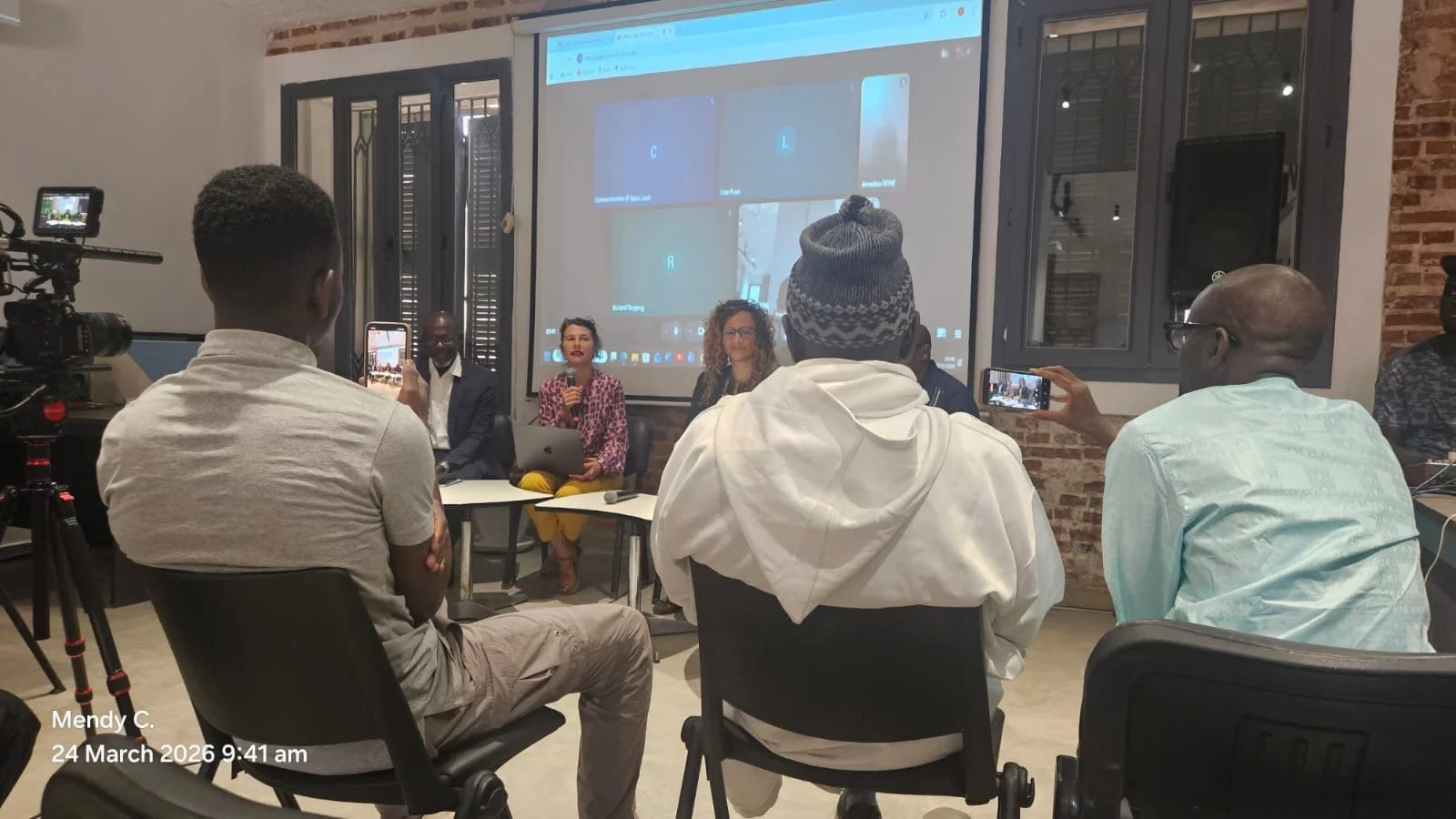
On 24 March 2026, I also attended the study day ‘Repairing Absence’ at the Institut français in Saint-Louis. This event built on the discussions initiated during the conference, exploring the memorial, symbolic and political dimensions associated with the absence of heritage objects.
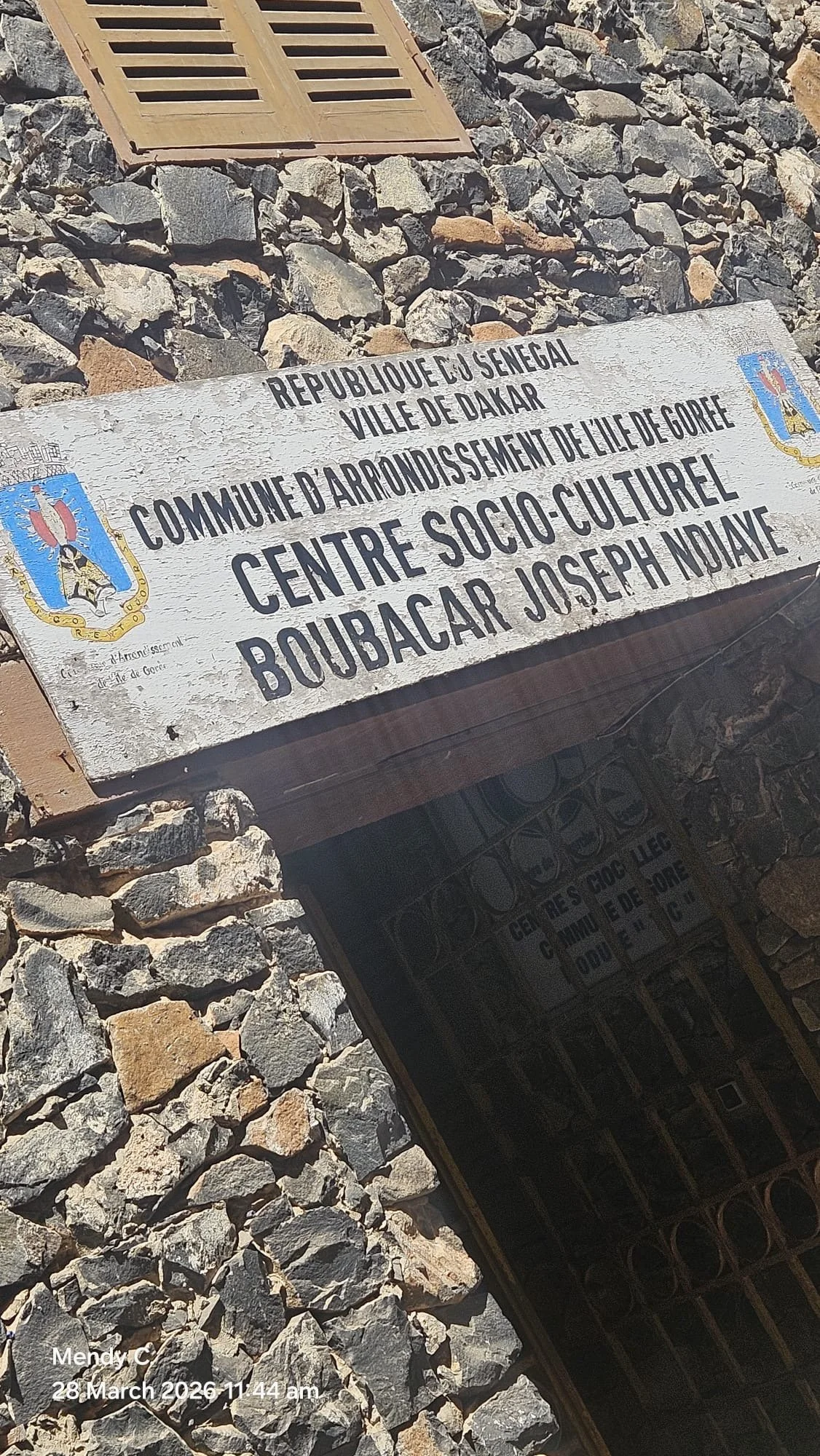
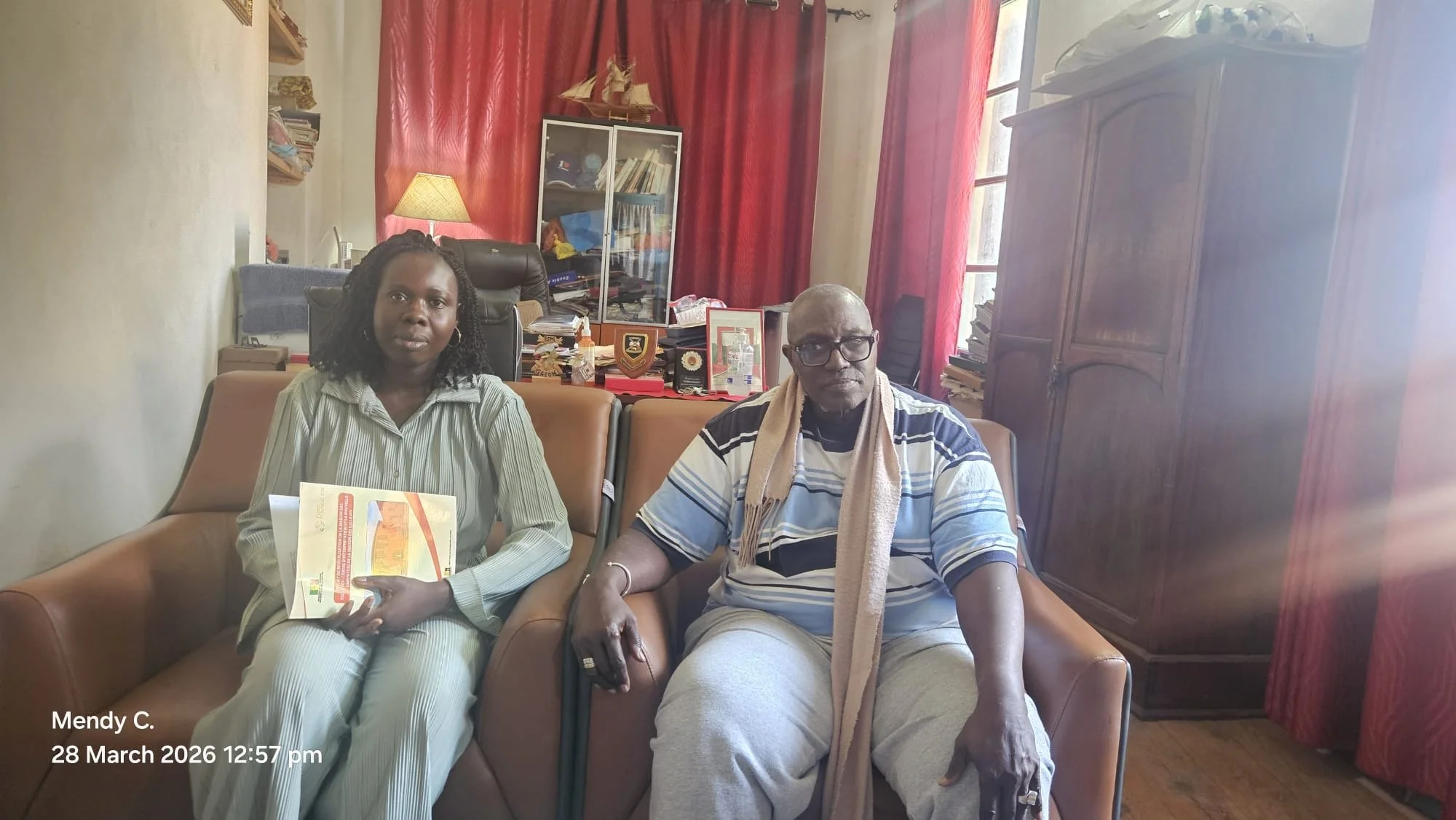
Beyond the conference, my research drew on in-depth immersion in several institutions: the Institut Fondamental d'Afrique Noire, Gaston Berger University, the National Archives of Senegal, the Directorate of Cultural Heritage, and the House of Slaves on Gorée. These places provided essential resources for cross-referencing historical sources with contemporary observations.
This fieldwork in Senegal was much more than just a research project: it provided a space for dialogue, learning and self-reflection. It encourages us to rethink heritage conservation not only as a technical issue, but also as a profoundly political and cultural one.