Student Exhibition: We Only See What We Look At
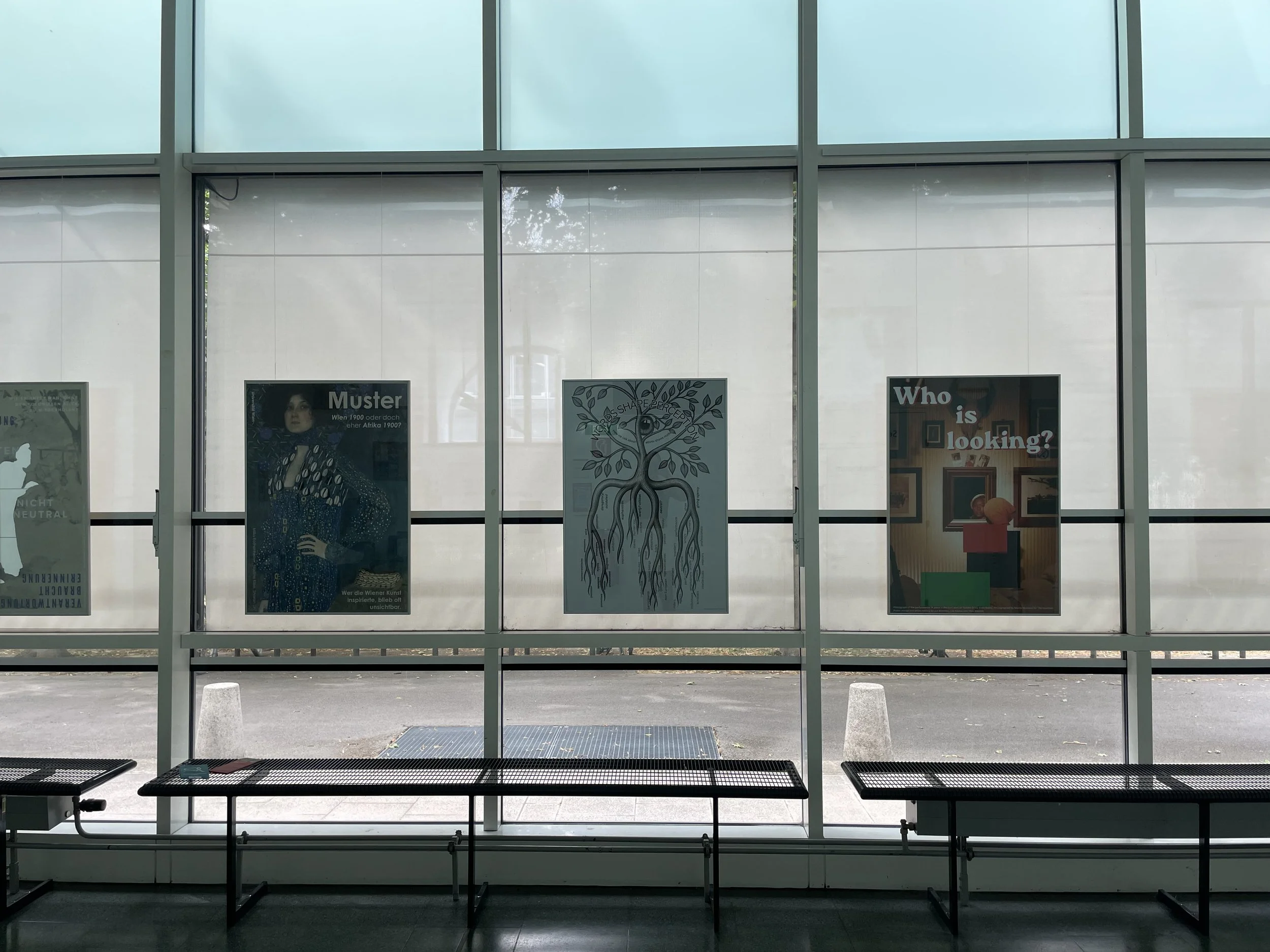
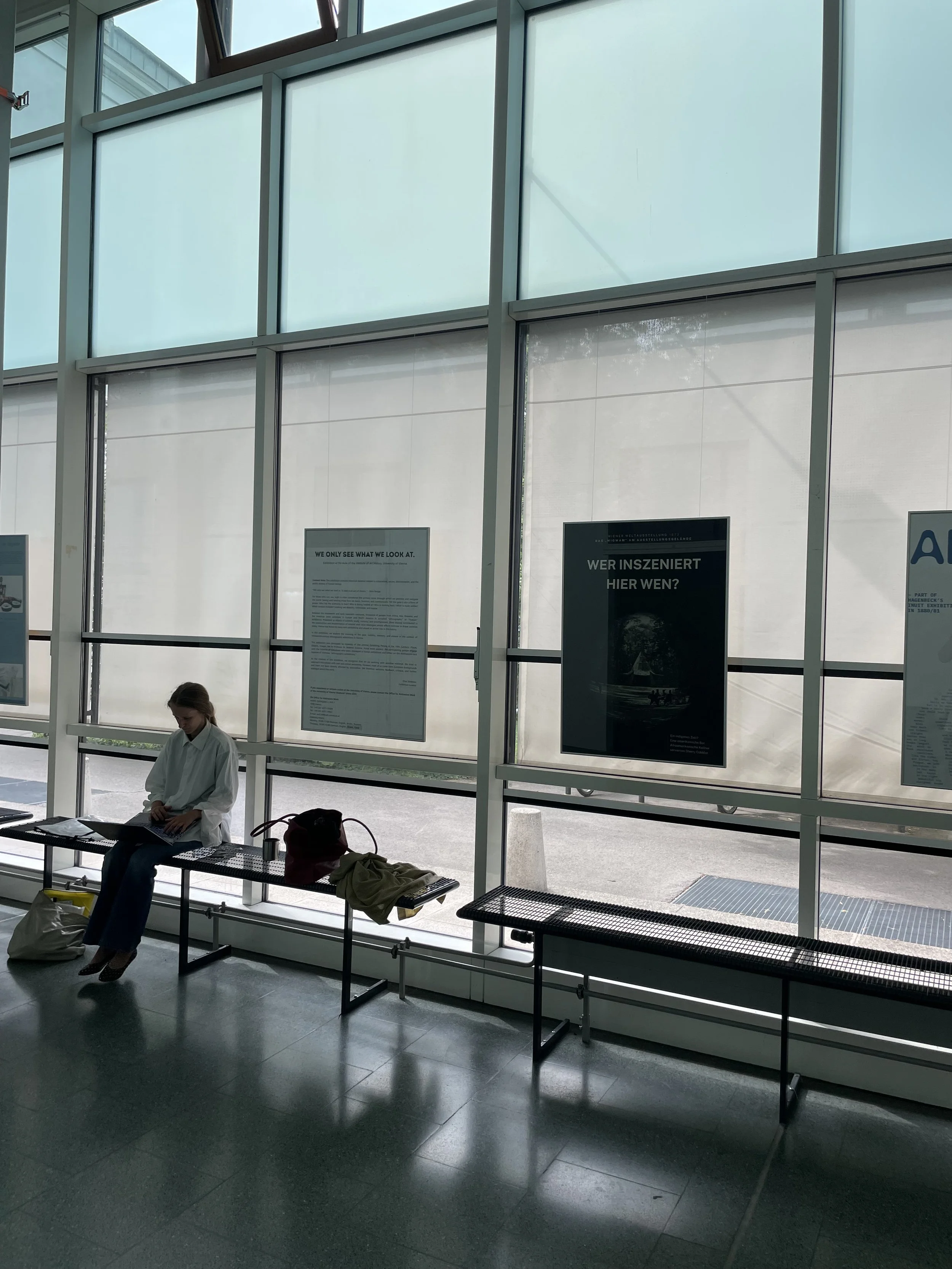
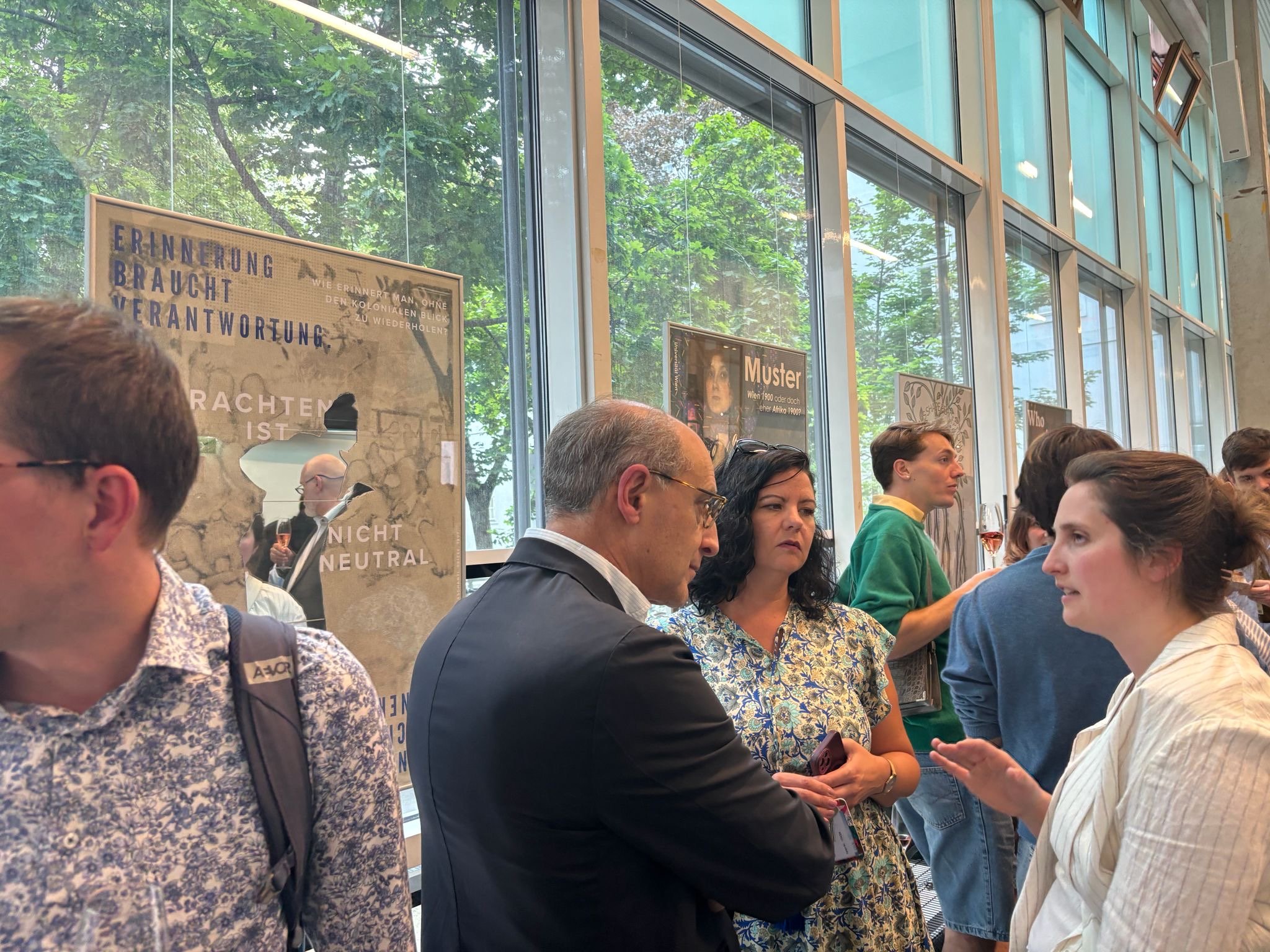
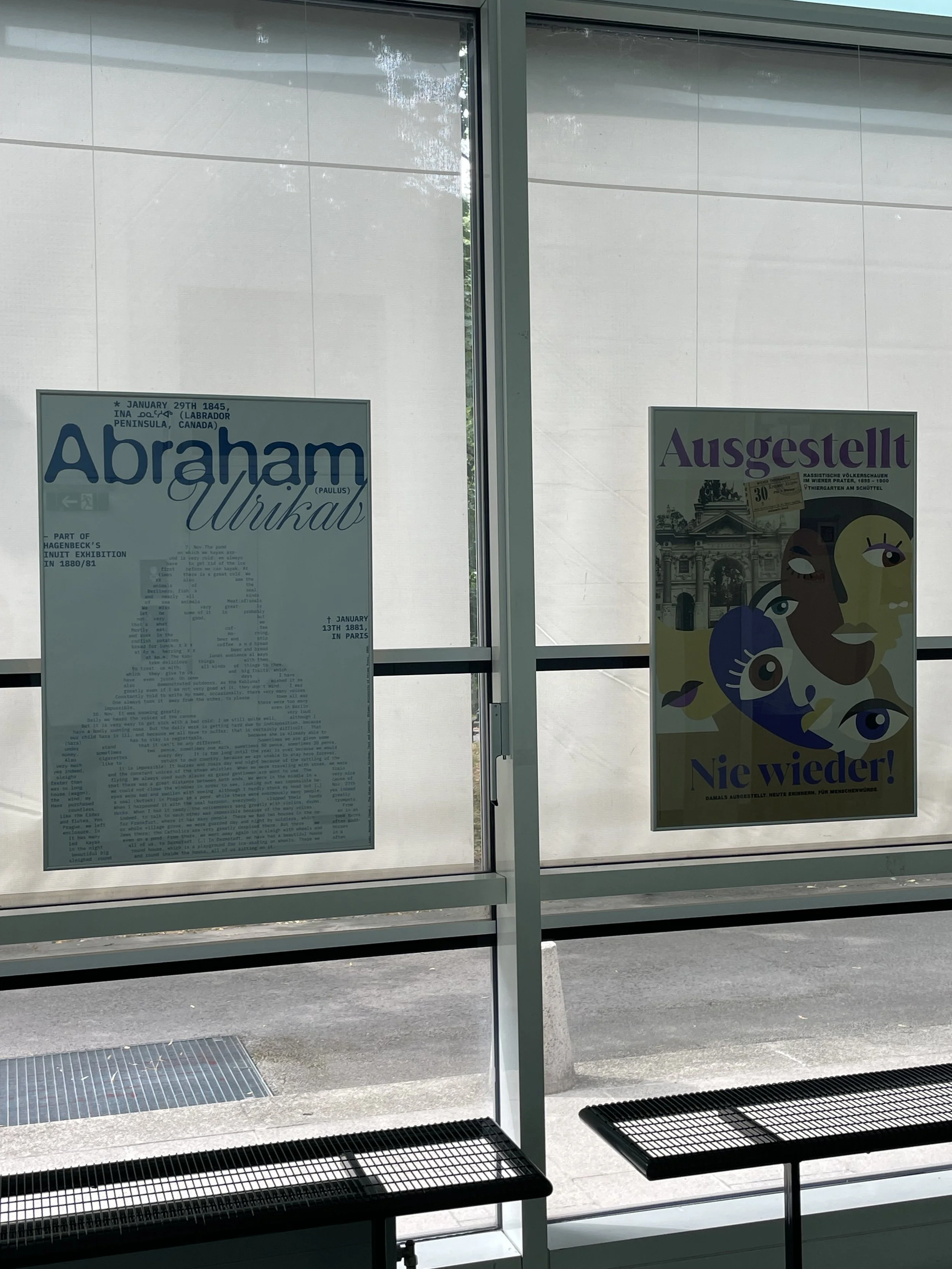
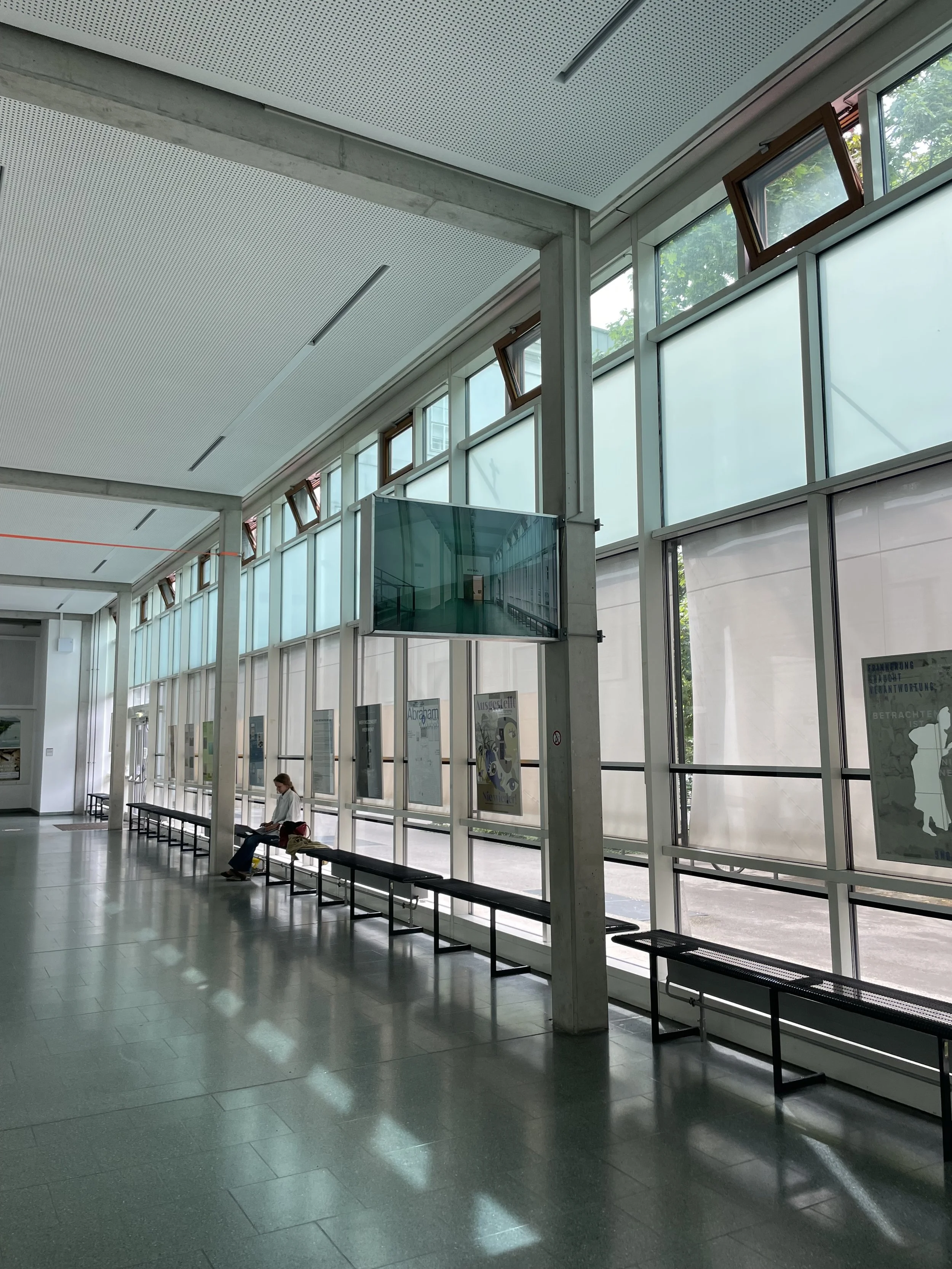
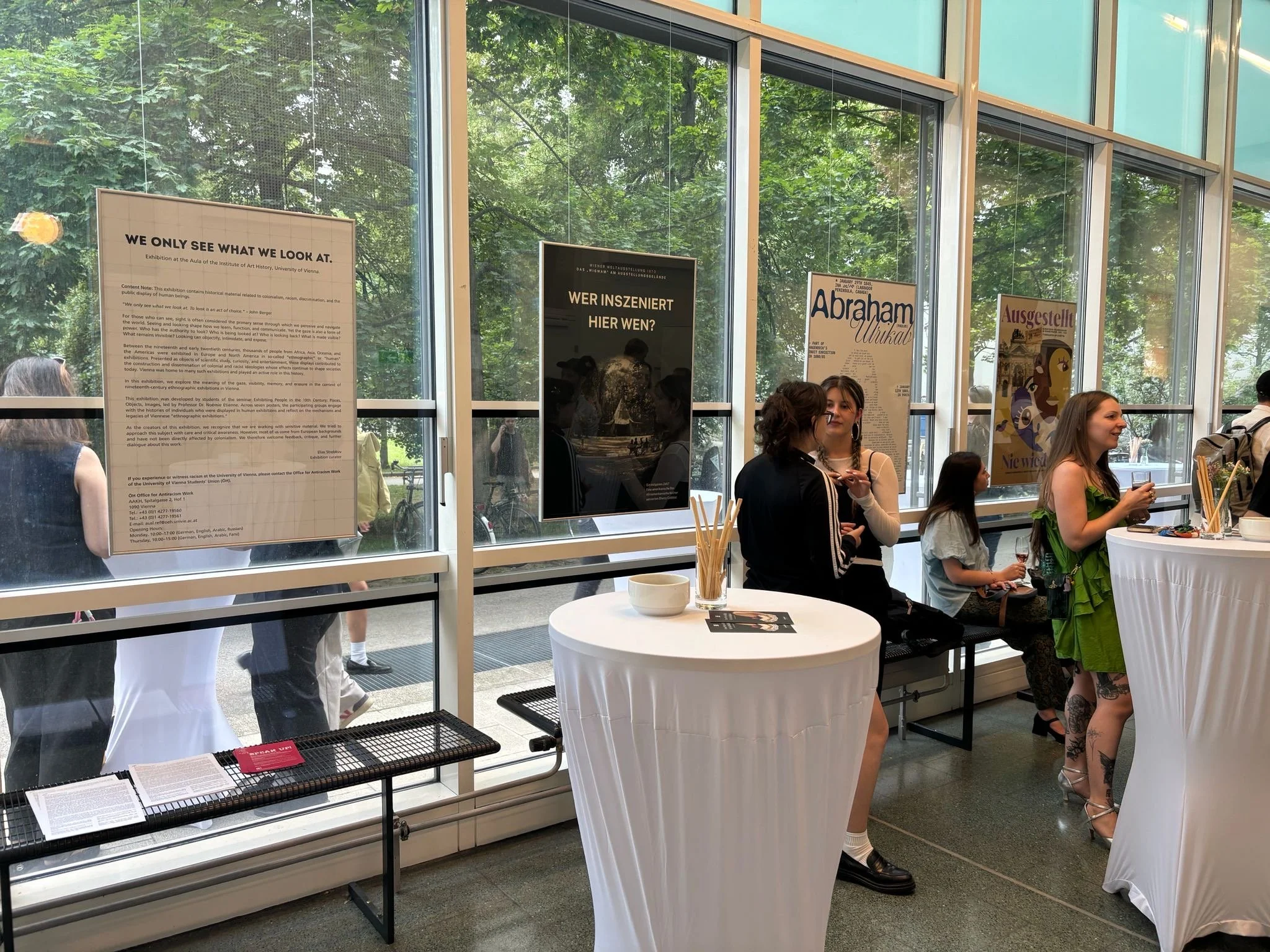
This past semester, students in Professor Noémie Etienne's seminar Exhibiting People in the 19th Century: Places, Objects, Images transformed the Aula of the Institute of Art History into a space for critical reflection. Their exhibition, We Only See What We Look At, presented a series of research-based posters exploring the histories and legacies of nineteenth-century "ethnographic" exhibitions in Vienna.
Taking inspiration from John Berger's statement that "to look is an act of choice," the exhibition examined the politics of visibility and the power of the gaze. Through case studies and historical sources, the students investigated how people from Africa, Asia, Oceania, and the Americas were displayed in colonial contexts, and how these exhibitions shaped ideas about race, identity, and difference that continue to resonate today.
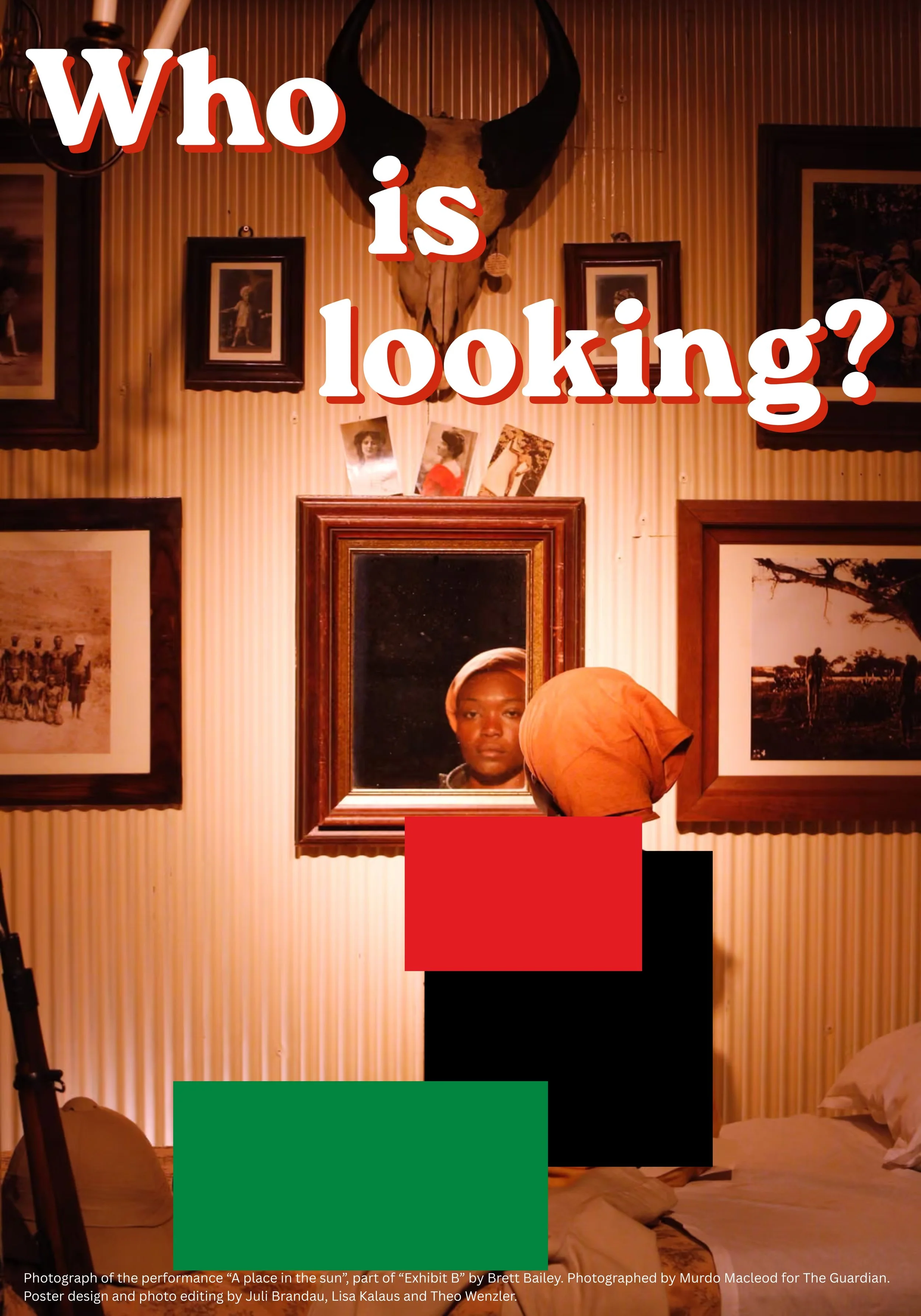
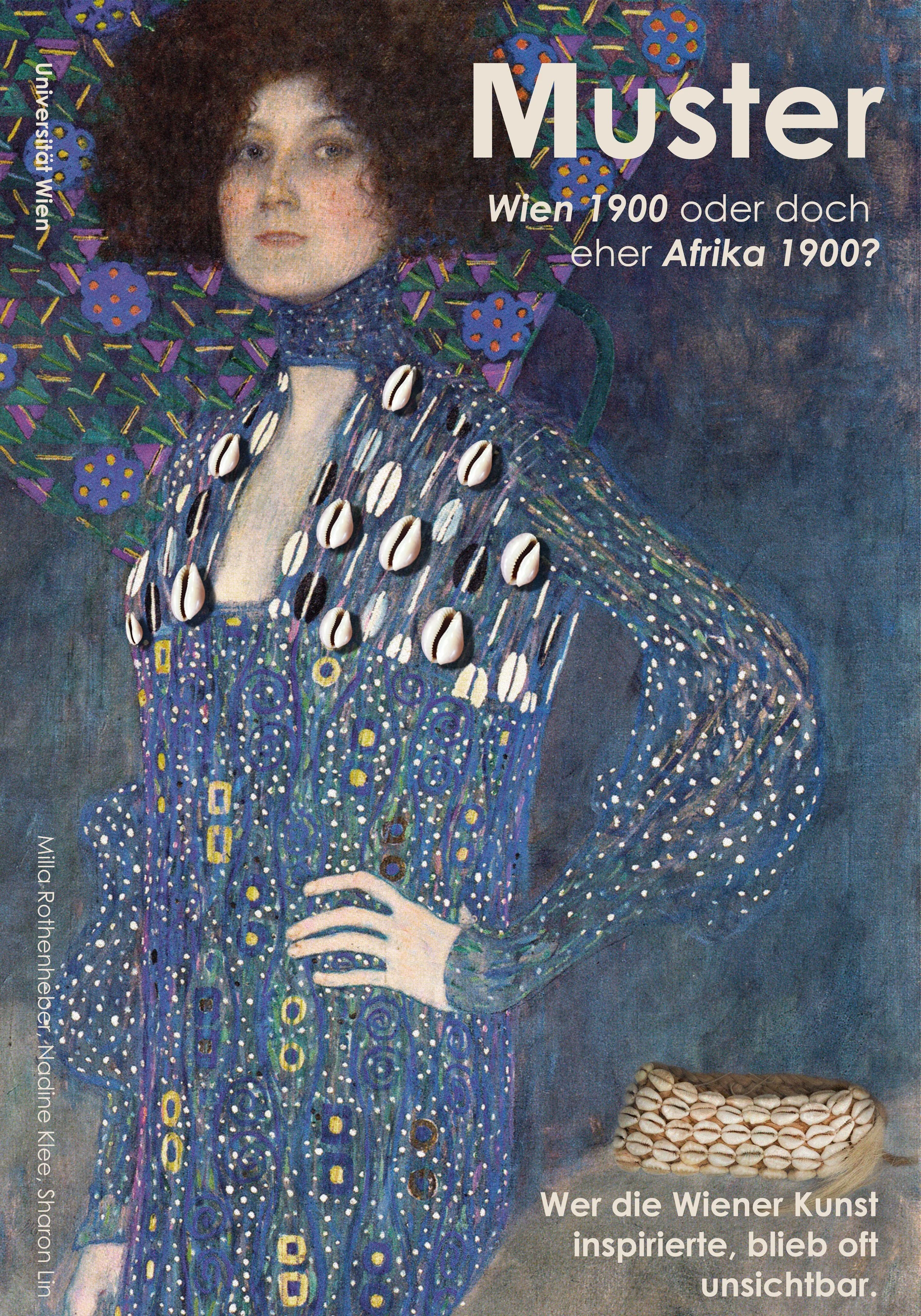
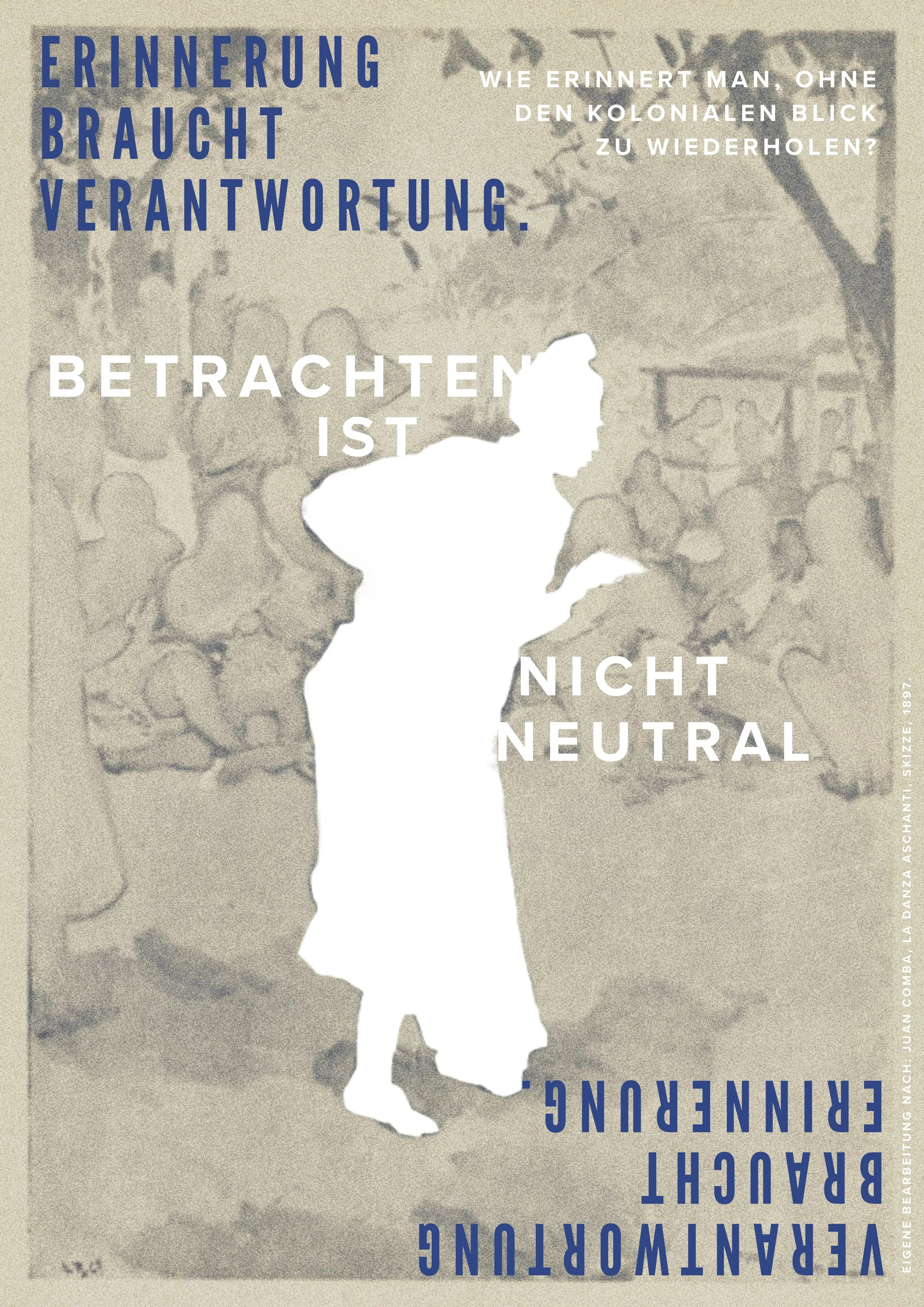
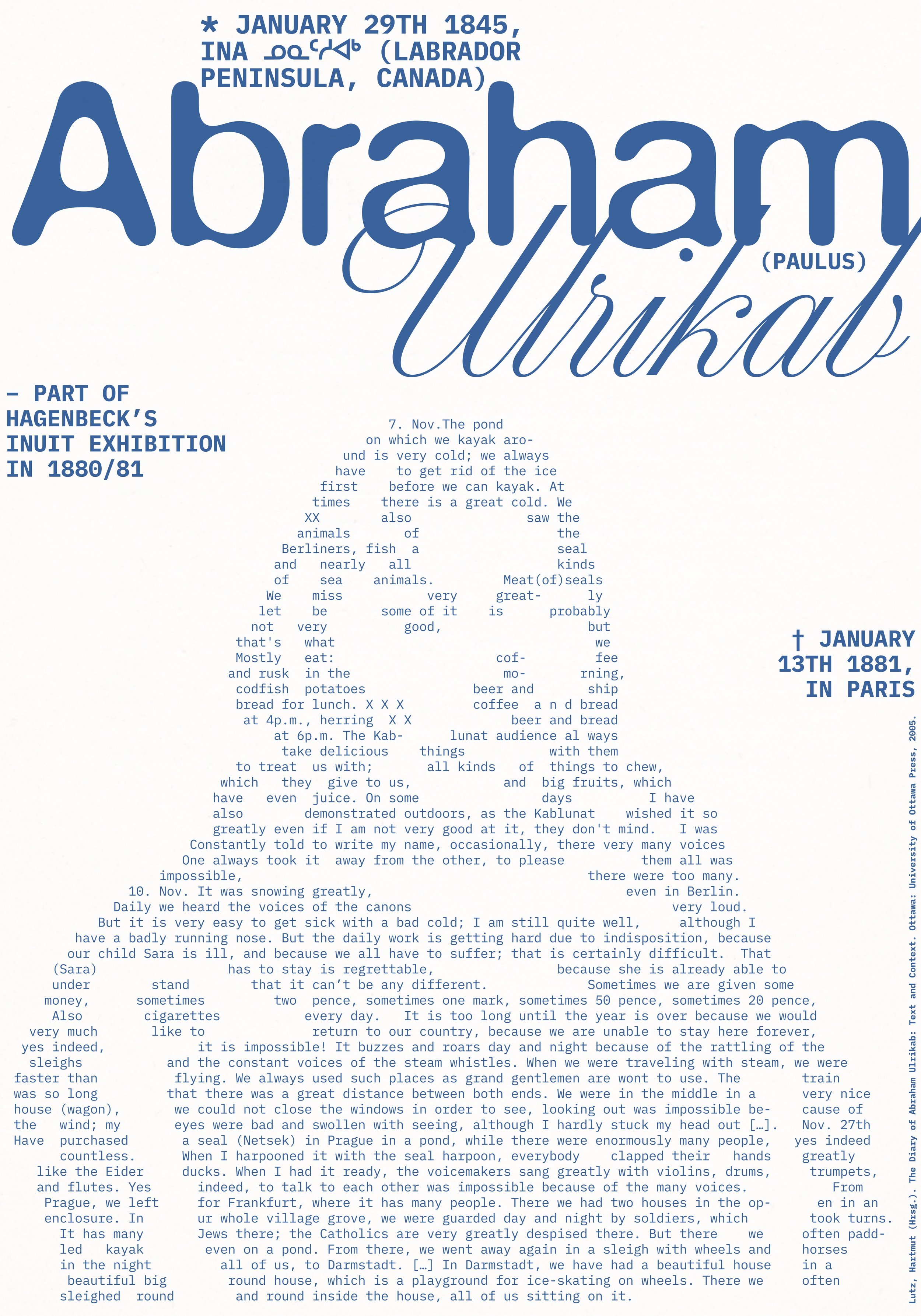
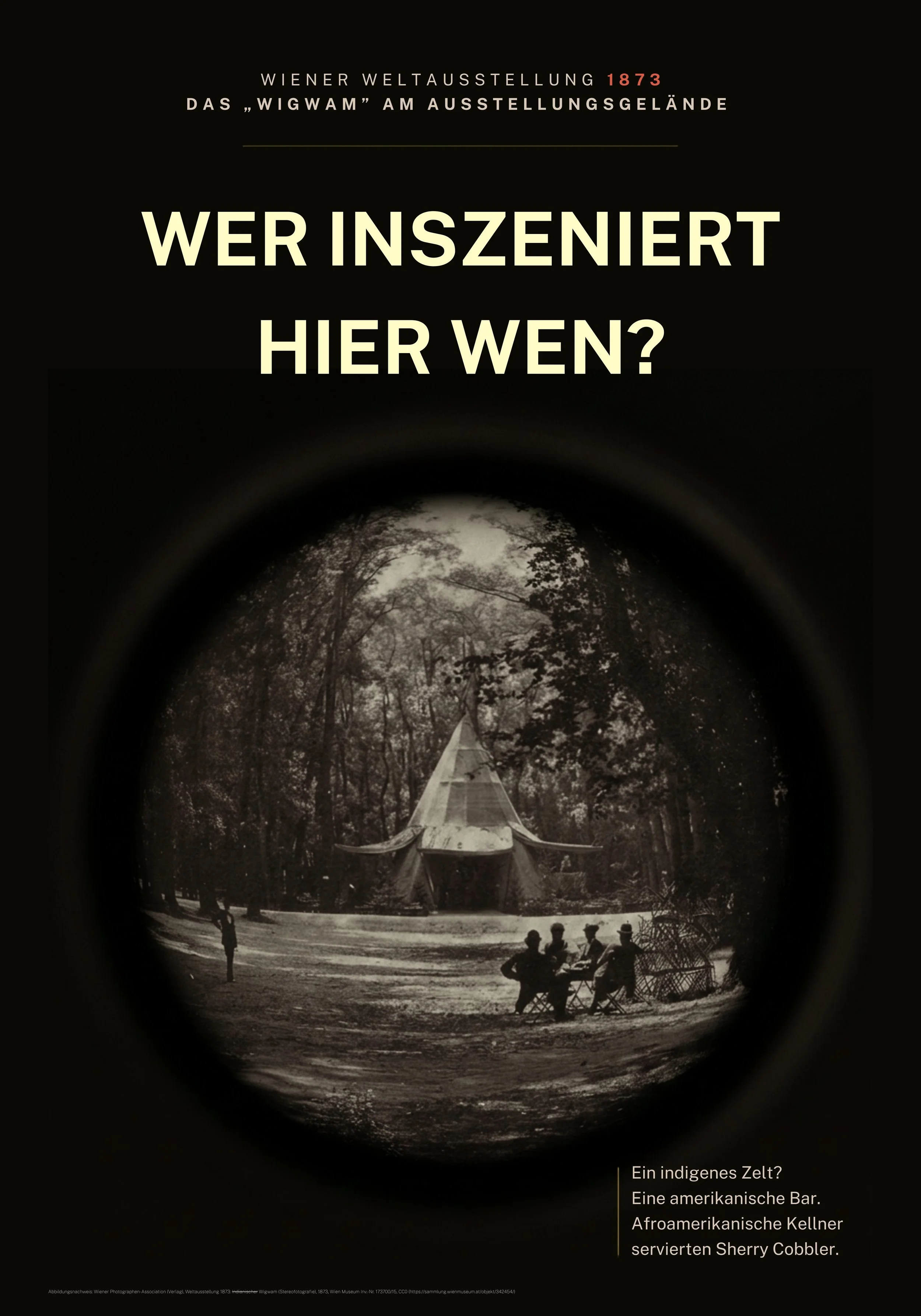
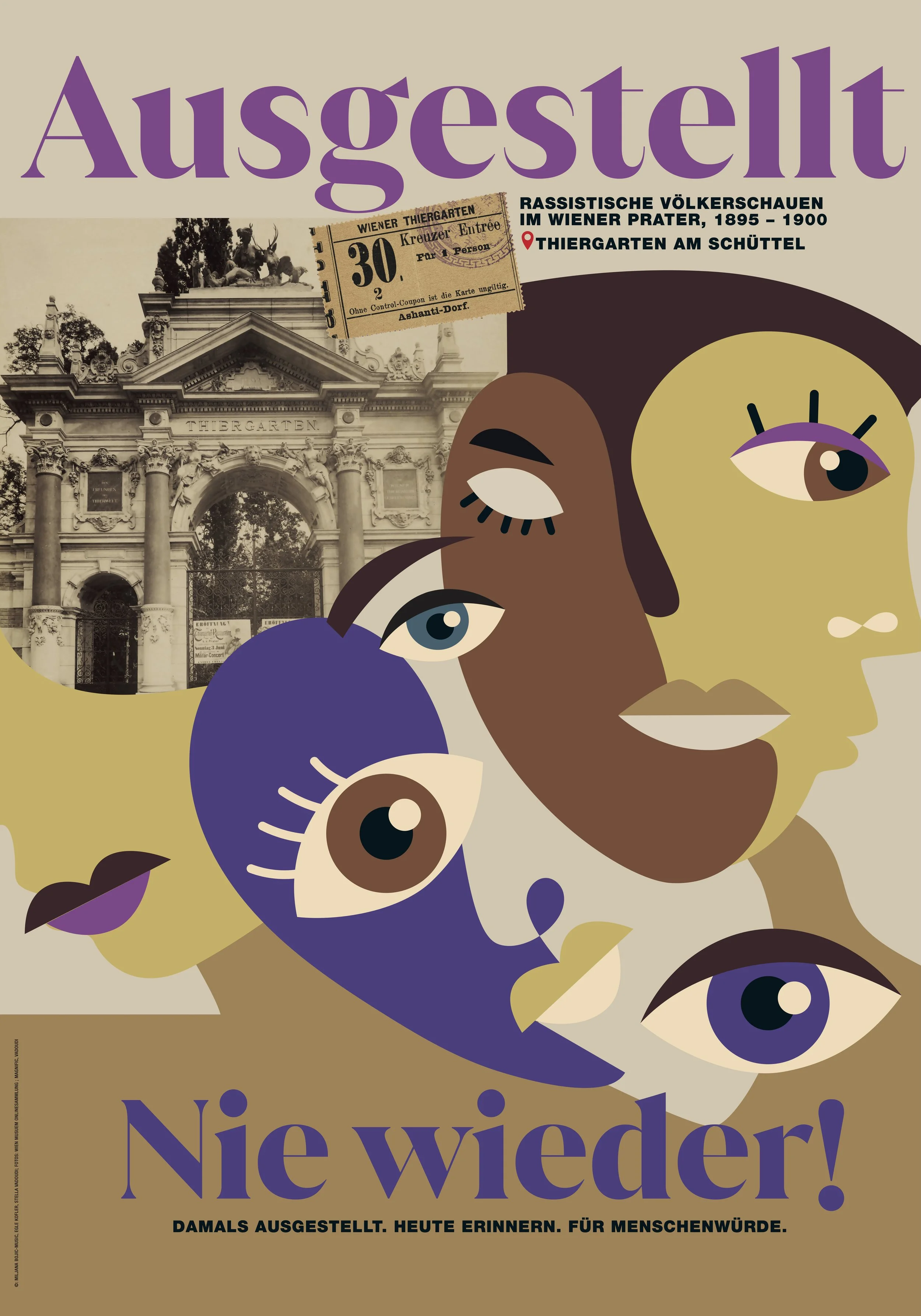
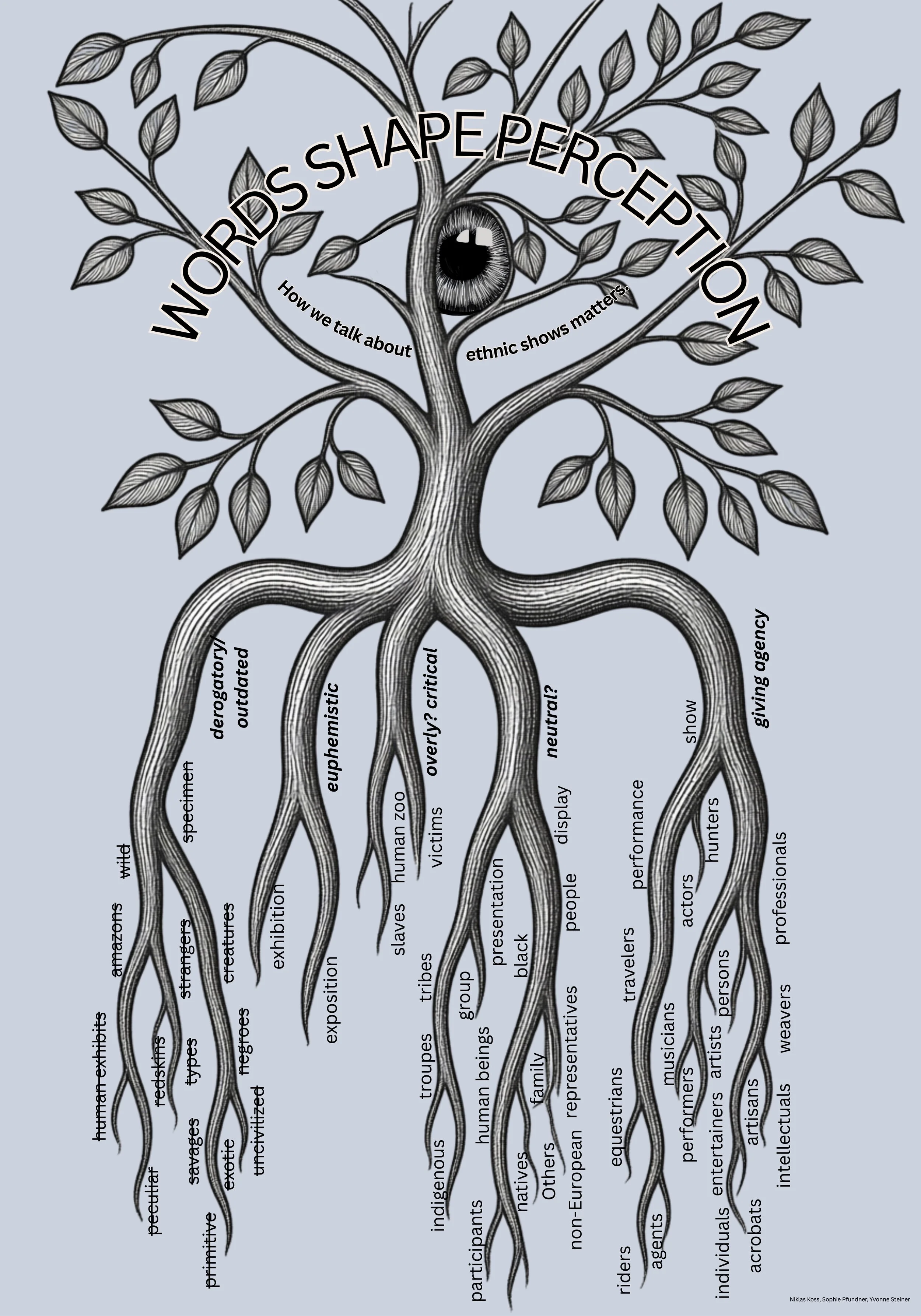
Rather than simply revisiting historical events, the exhibition invited visitors to question the act of looking itself. How do museums and exhibitions shape what becomes visible – and what remains unseen? How are histories remembered, forgotten, or deliberately erased? And what responsibilities do curators, researchers, and cultural institutions bear when presenting sensitive histories?
These questions were discussed through the lens of nineteenth-century "ethnographic" exhibitions in Vienna, revealing how practices of display contributed to the construction of colonial narratives. At the same time, the project encouraged visitors to reconsider Vienna around 1900 from a different perspective. Rather than viewing the city solely through the lens of artistic innovation, the exhibition highlighted its entanglement with colonial histories, including the exhibition of people and the circulation and display of African textiles and other material cultures.
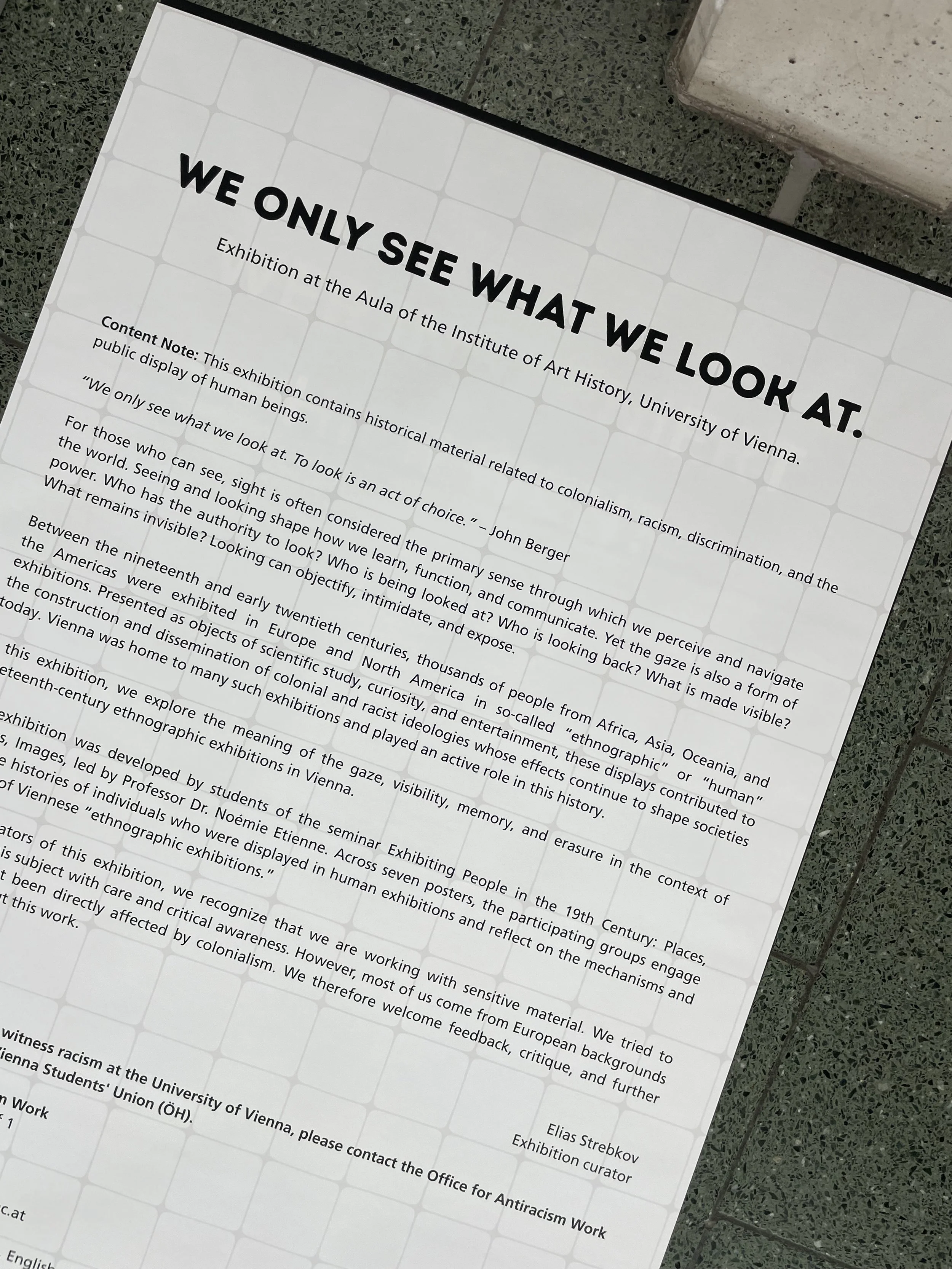
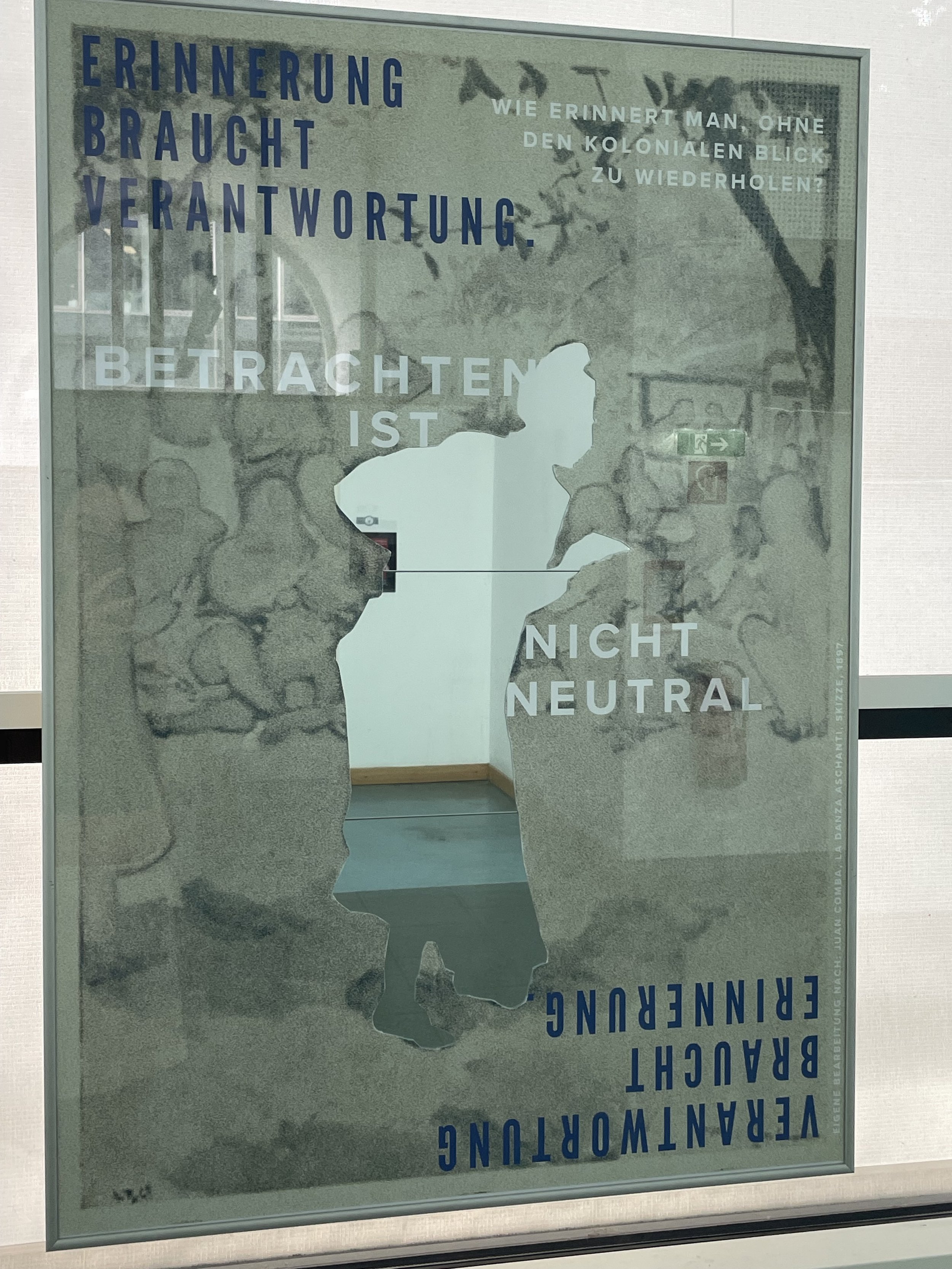
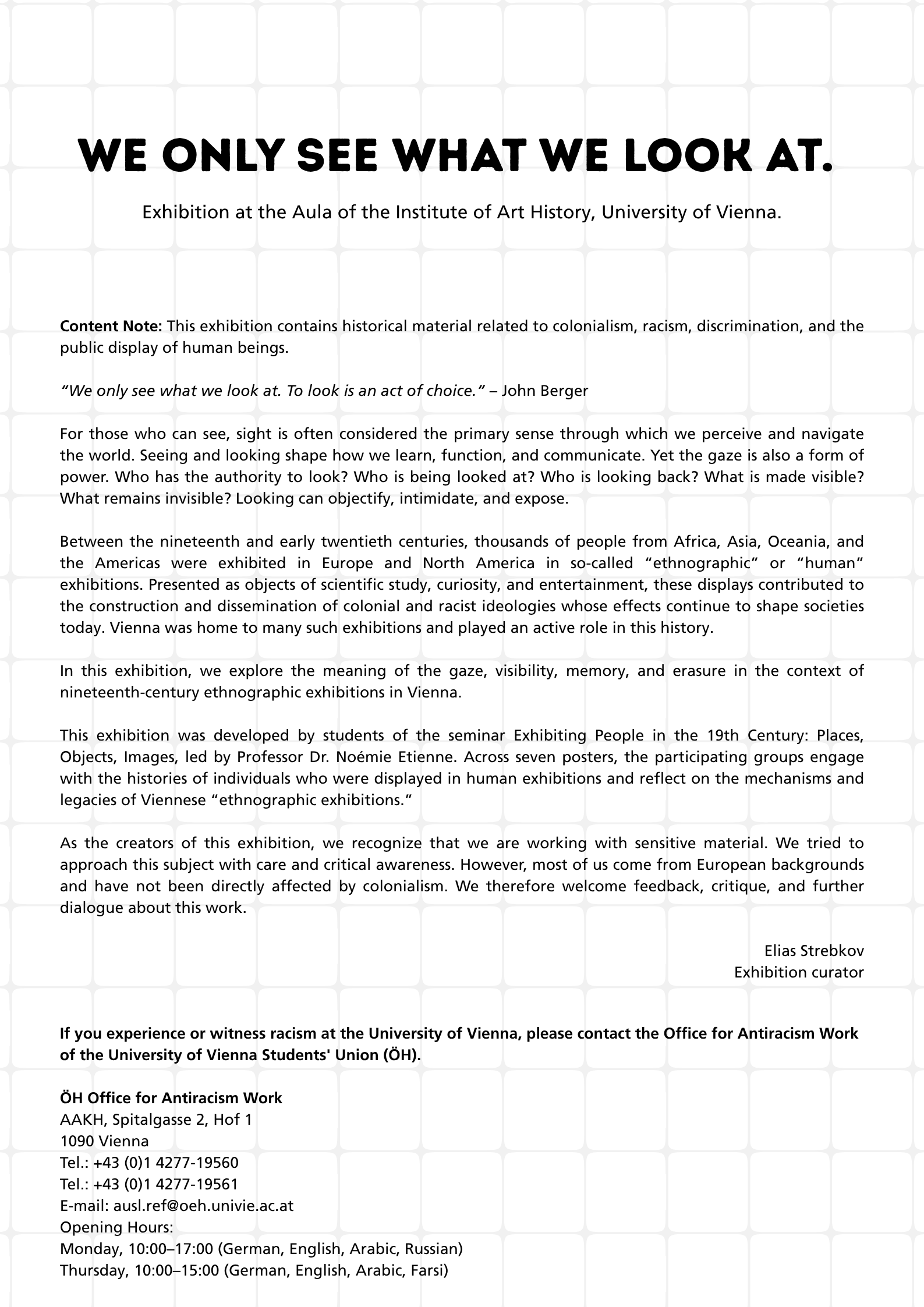
Student Curator Elias Strebkov’s poster accompanying the exhibition.
By bringing these often-overlooked histories into view, the students demonstrated how exhibition-making can itself become a form of critical research – challenging established narratives and opening new conversations about visibility, memory, representation, and curatorial practice.
Although the exhibition has now concluded, its questions remain highly relevant. We warmly congratulate the students on creating a thoughtful and compelling exhibition that addressed difficult histories with care, critical awareness, and a commitment to dialogue.
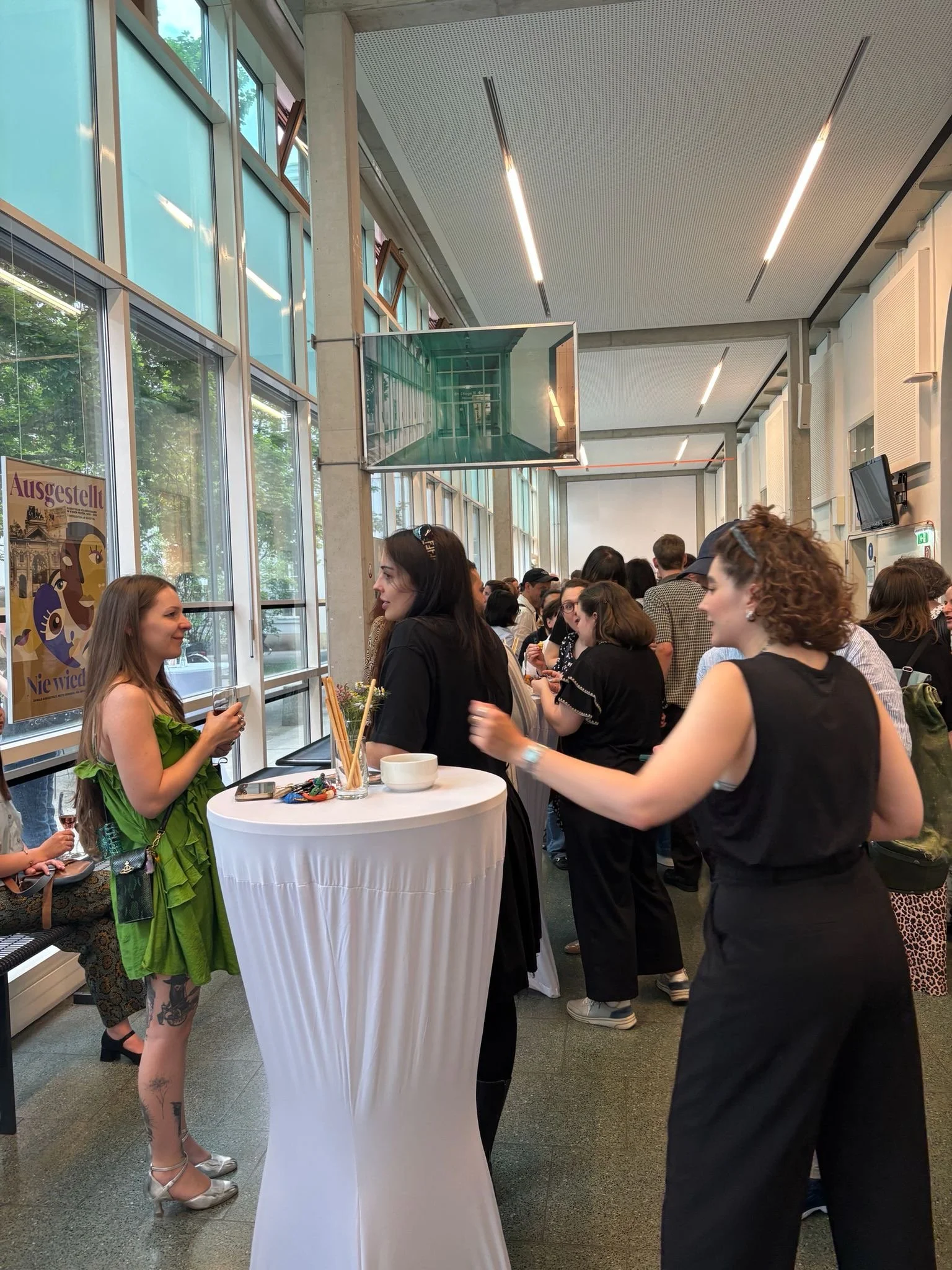
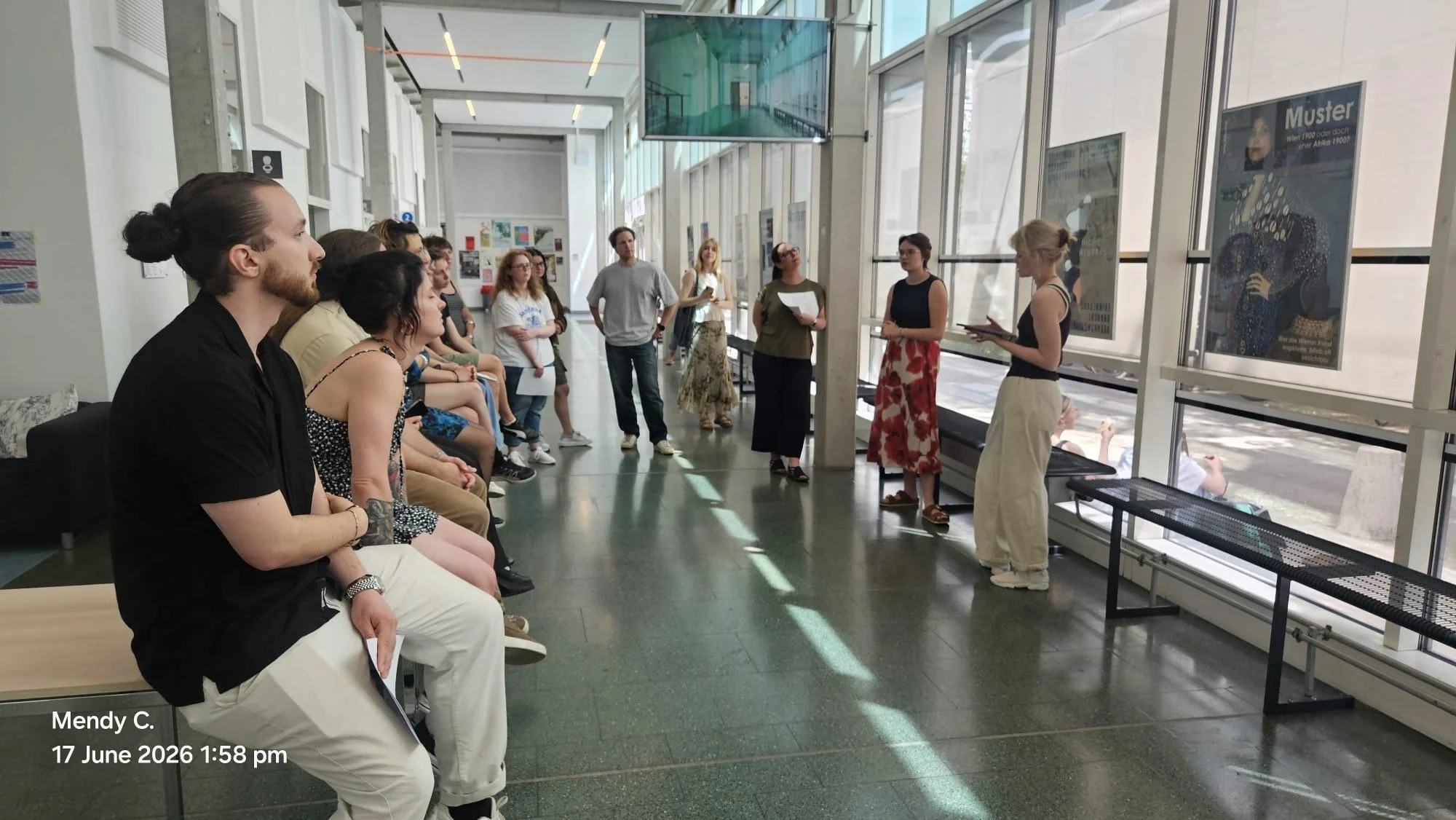
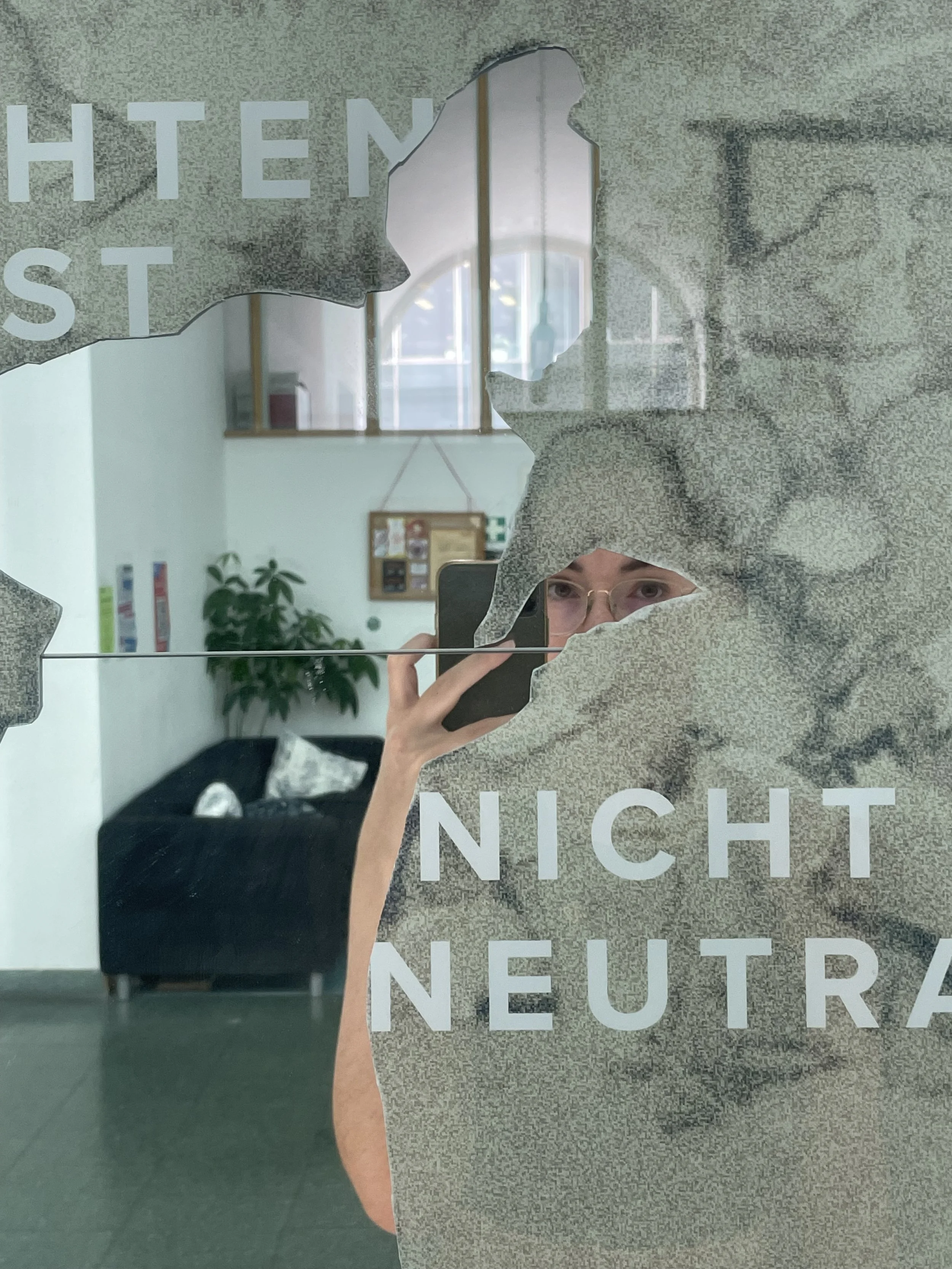
The photographs below offer a glimpse into the exhibition and some of the questions that guided the students' research and curatorial work.