Visiting the United Nations’ Art Collection in Vienna
by Anna-Marie Kroupová
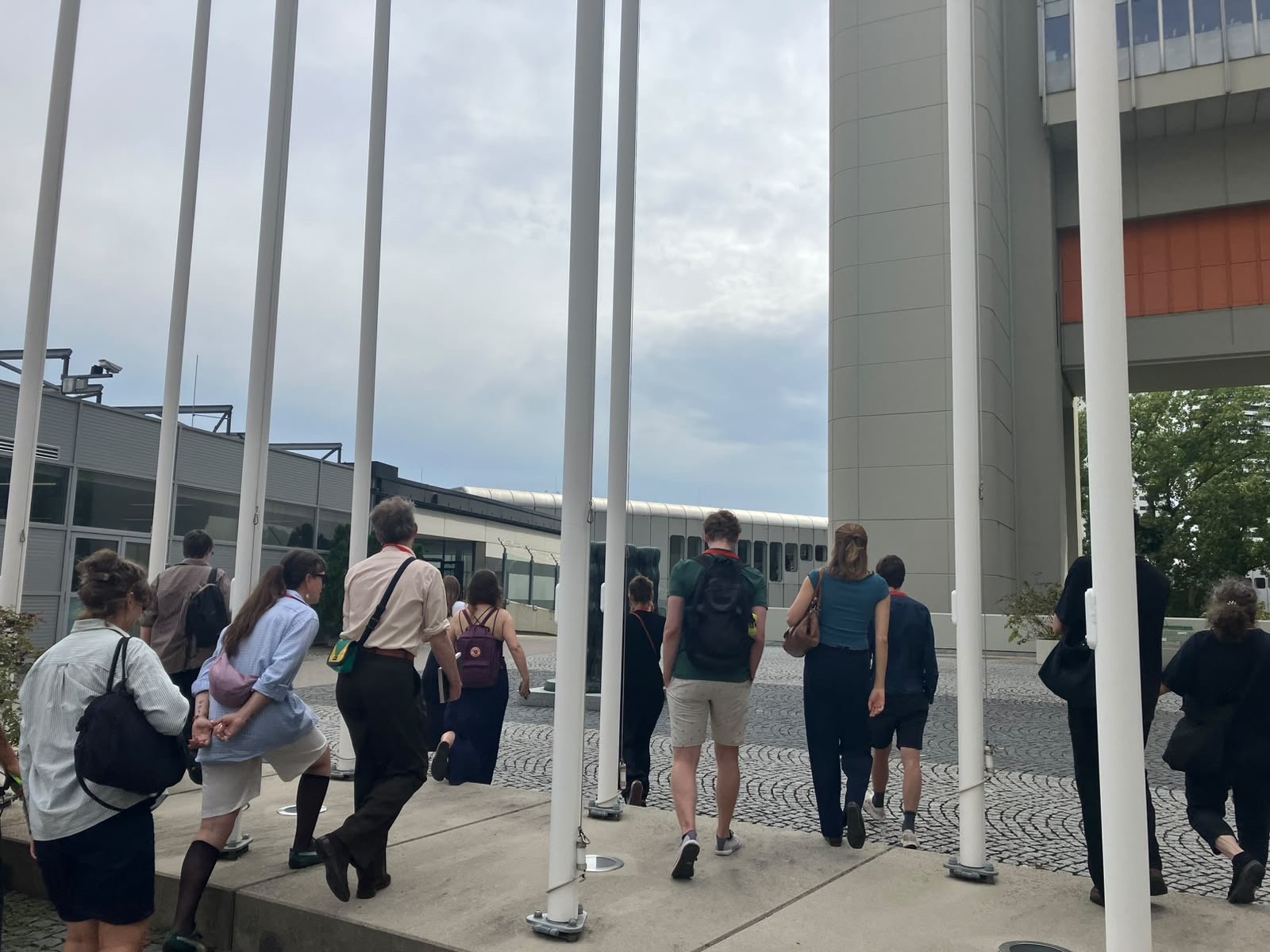
At the end of August, the Heritage Studies team joined students taking part in Anna-Marie Kroupová’s excursion on (in)visible traces of the Cold War in Vienna for a visit to the art collection at the Vienna International Centre (VIC). In this reflection, Anna-Marie Kroupová looks back on the visit and the questions it raised about the collection, its context, and its role within the UN.
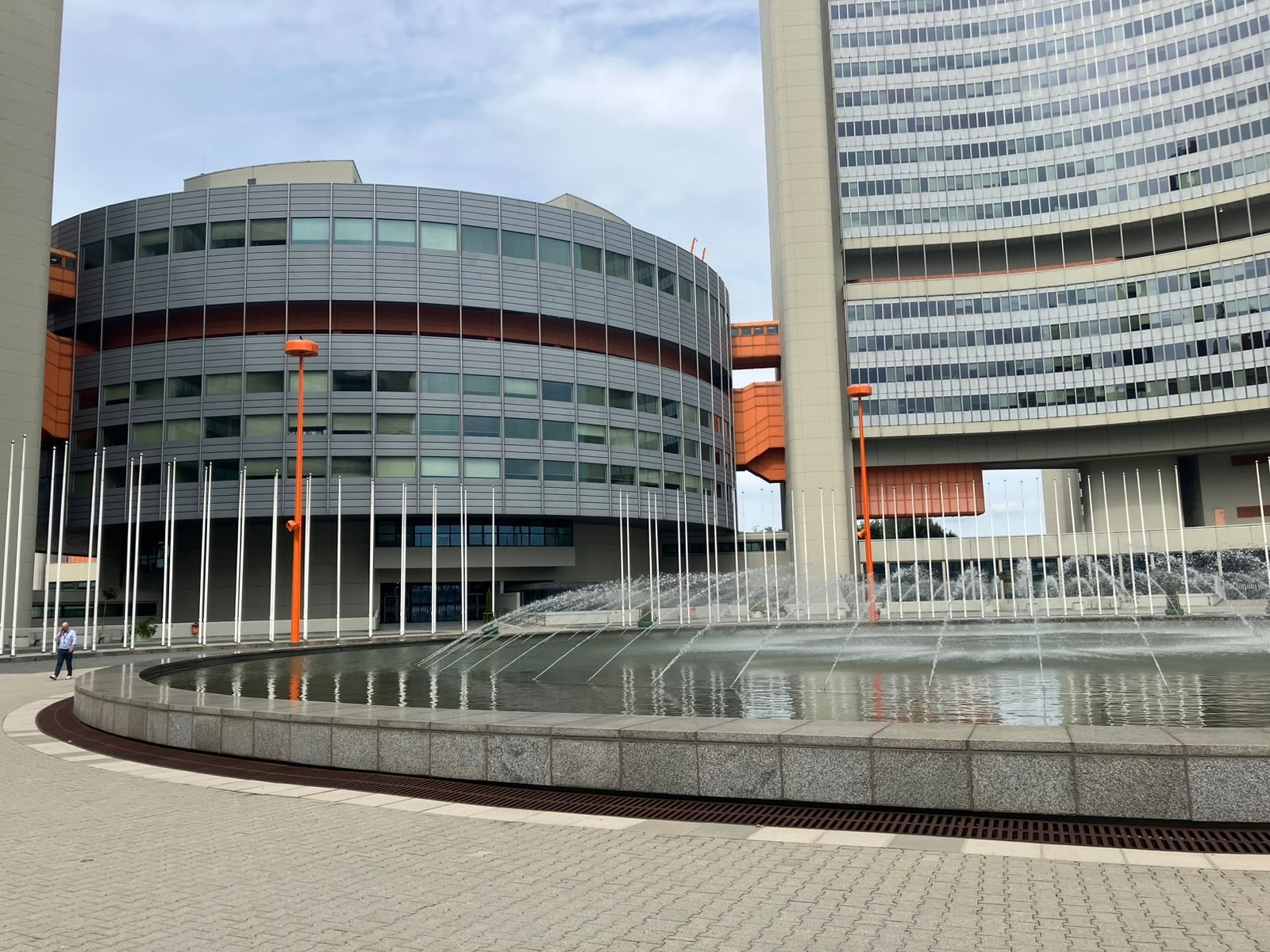
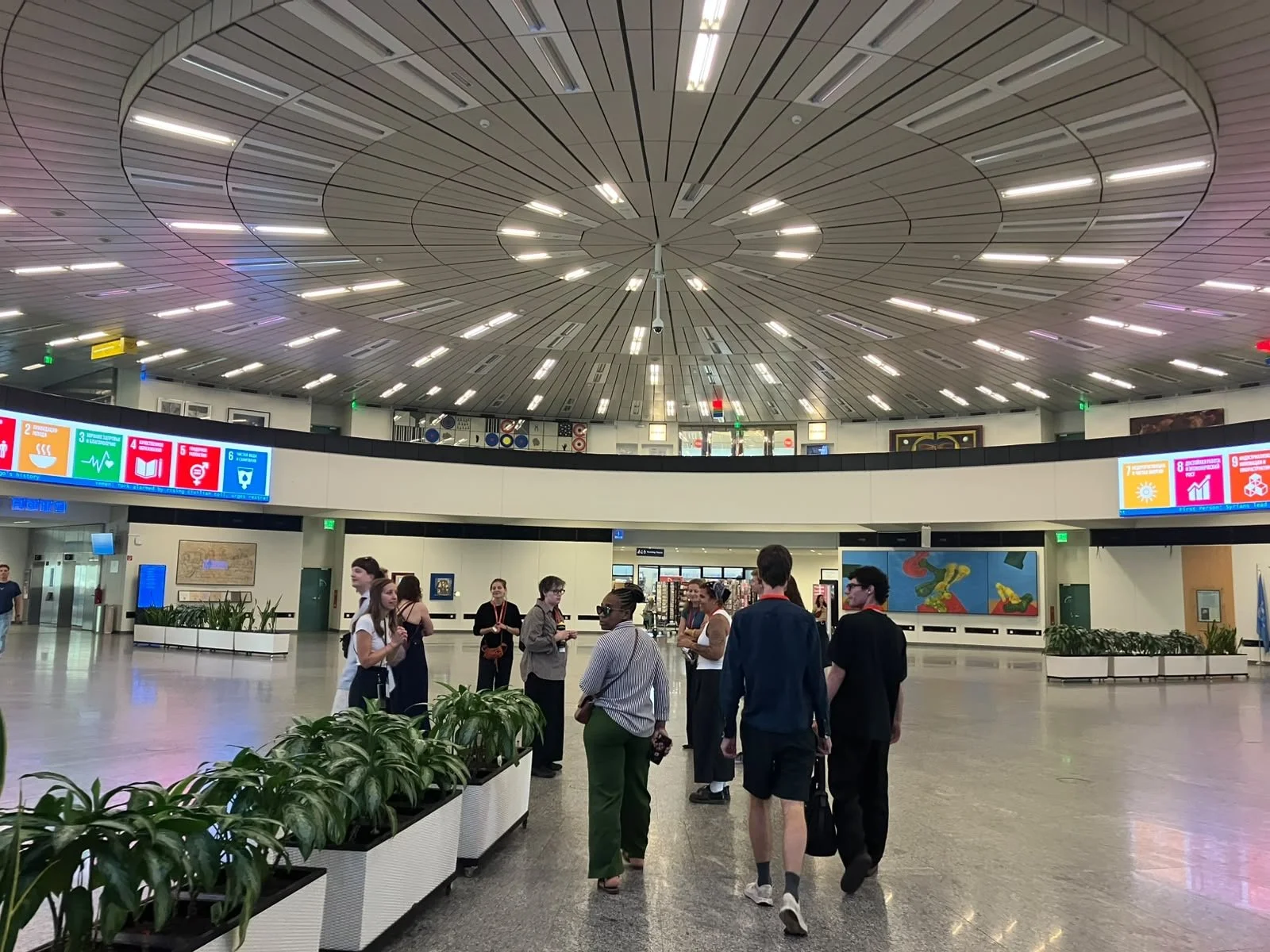
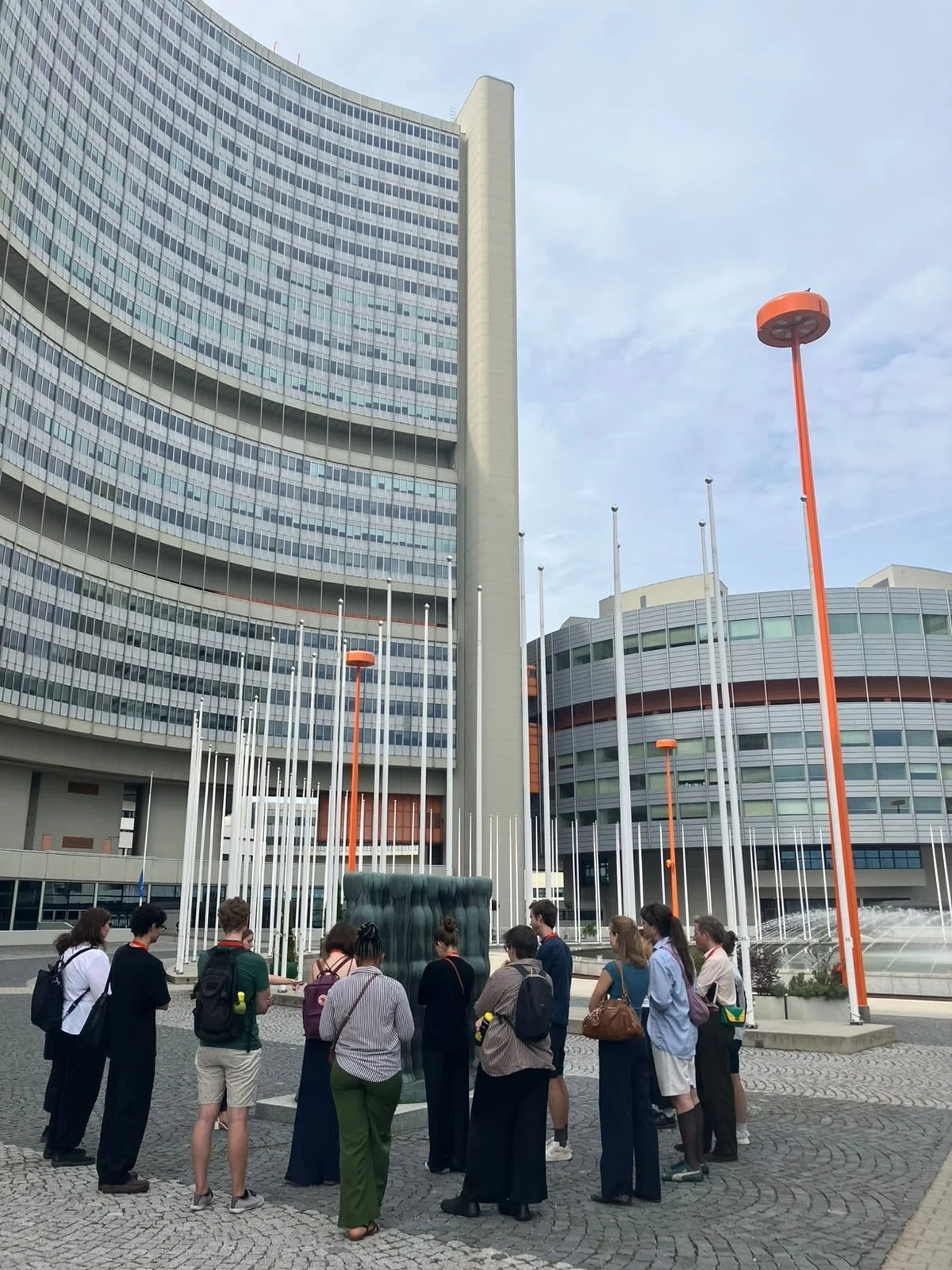
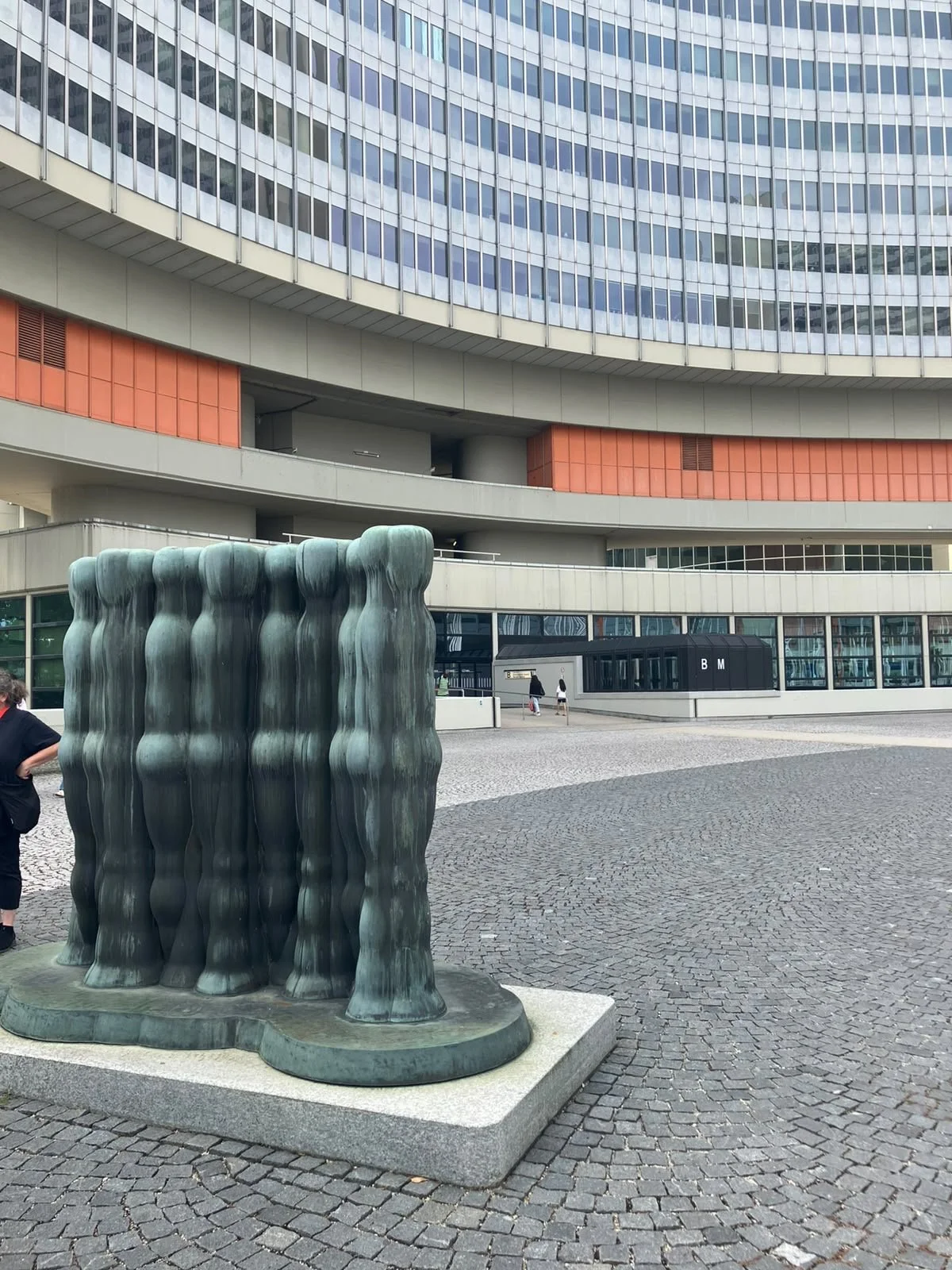
During the 90-minute tour, we visited both the interior and exterior spaces of the VIC, one of the United Nations’ four main headquarters. The visit also drew our attention to the architecture of the complex, designed by Austrian architect Johann Staber, opened in 1979. Its six Y-shaped office towers are arranged in a way that reduces mutual shadowing and opens the buildings towards their surroundings. During the tour, this architectural openness also provided a point of departure for thinking about ideas of dialogue and international exchange associated with the United Nations.
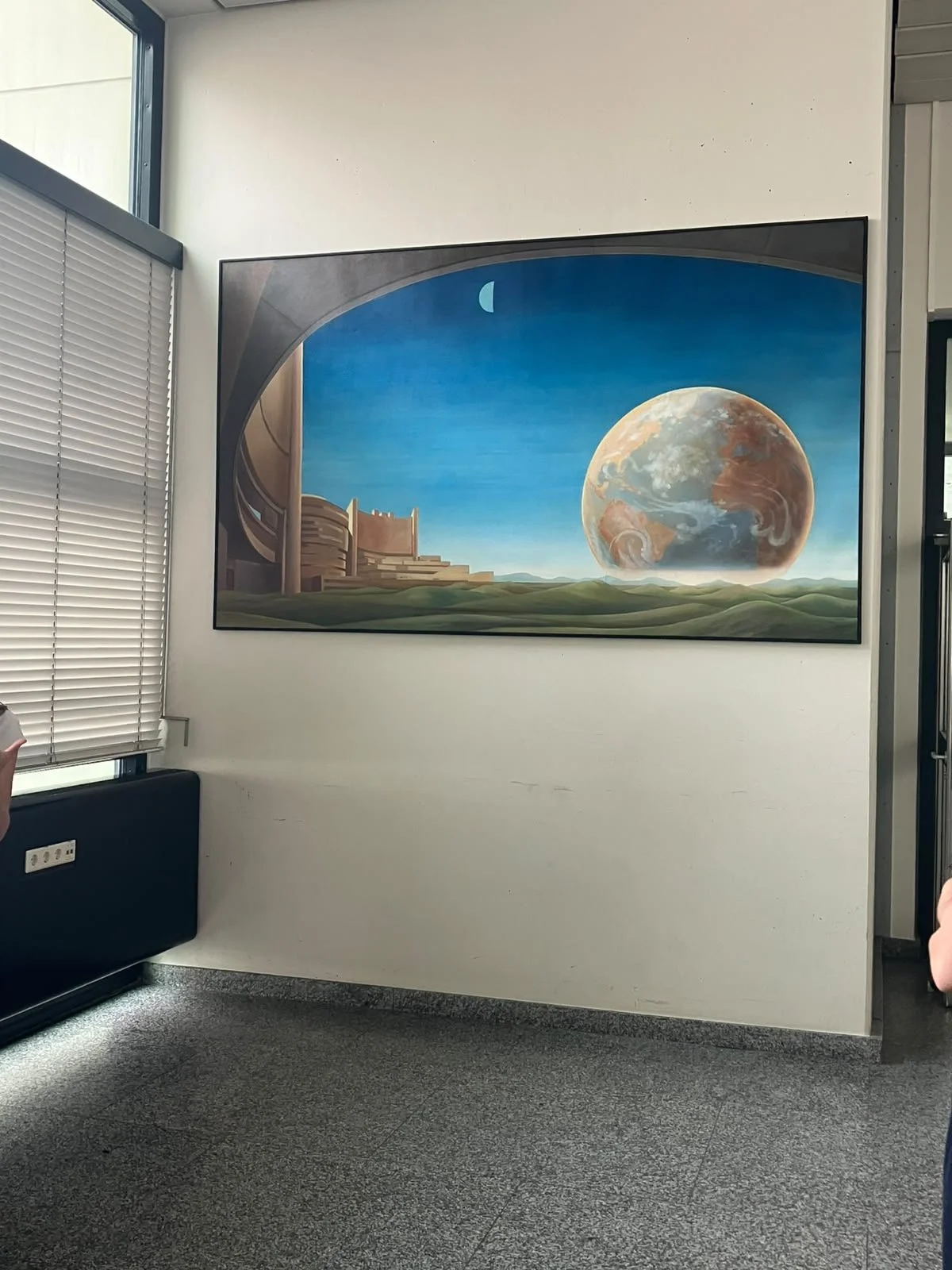
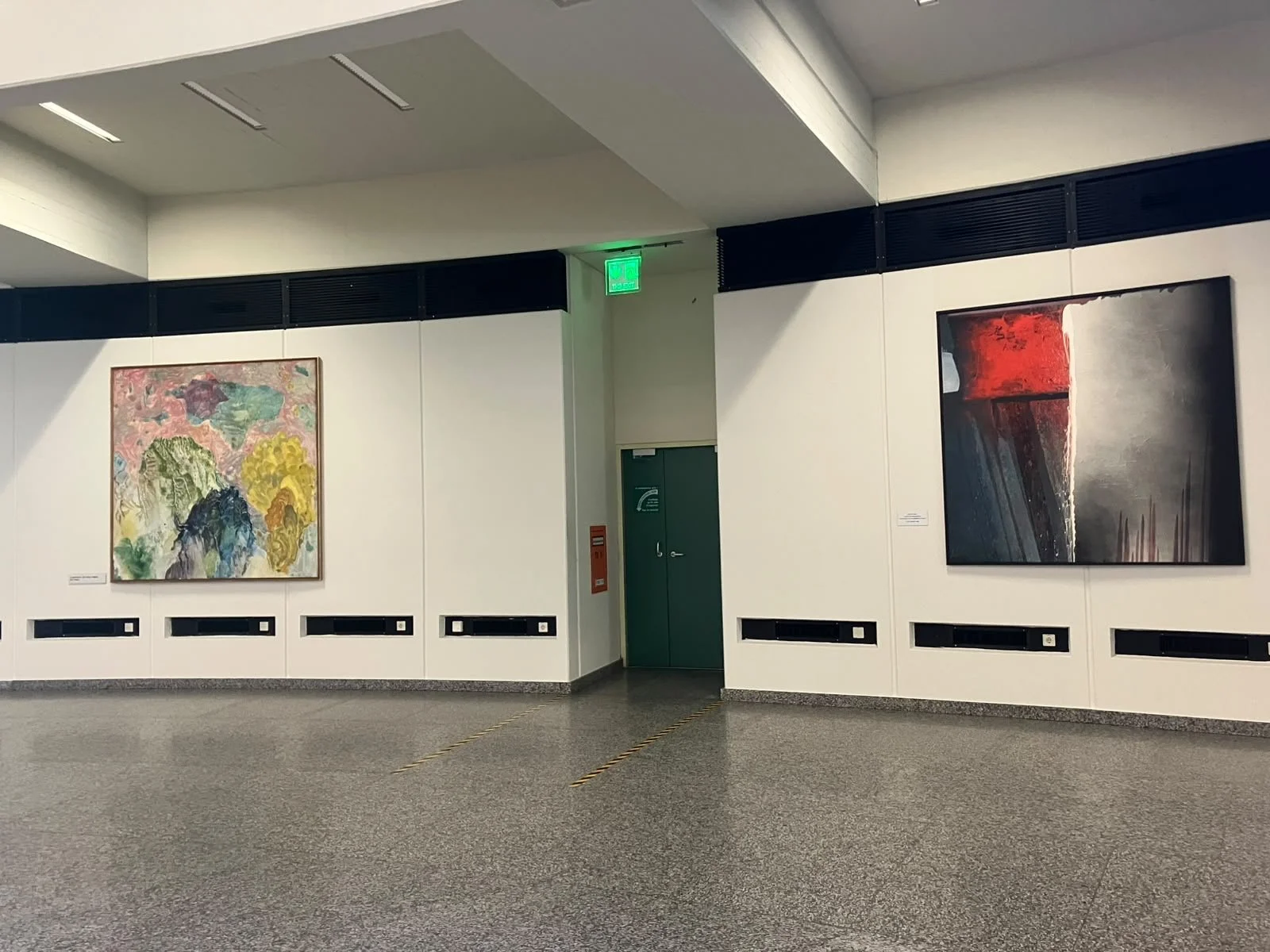
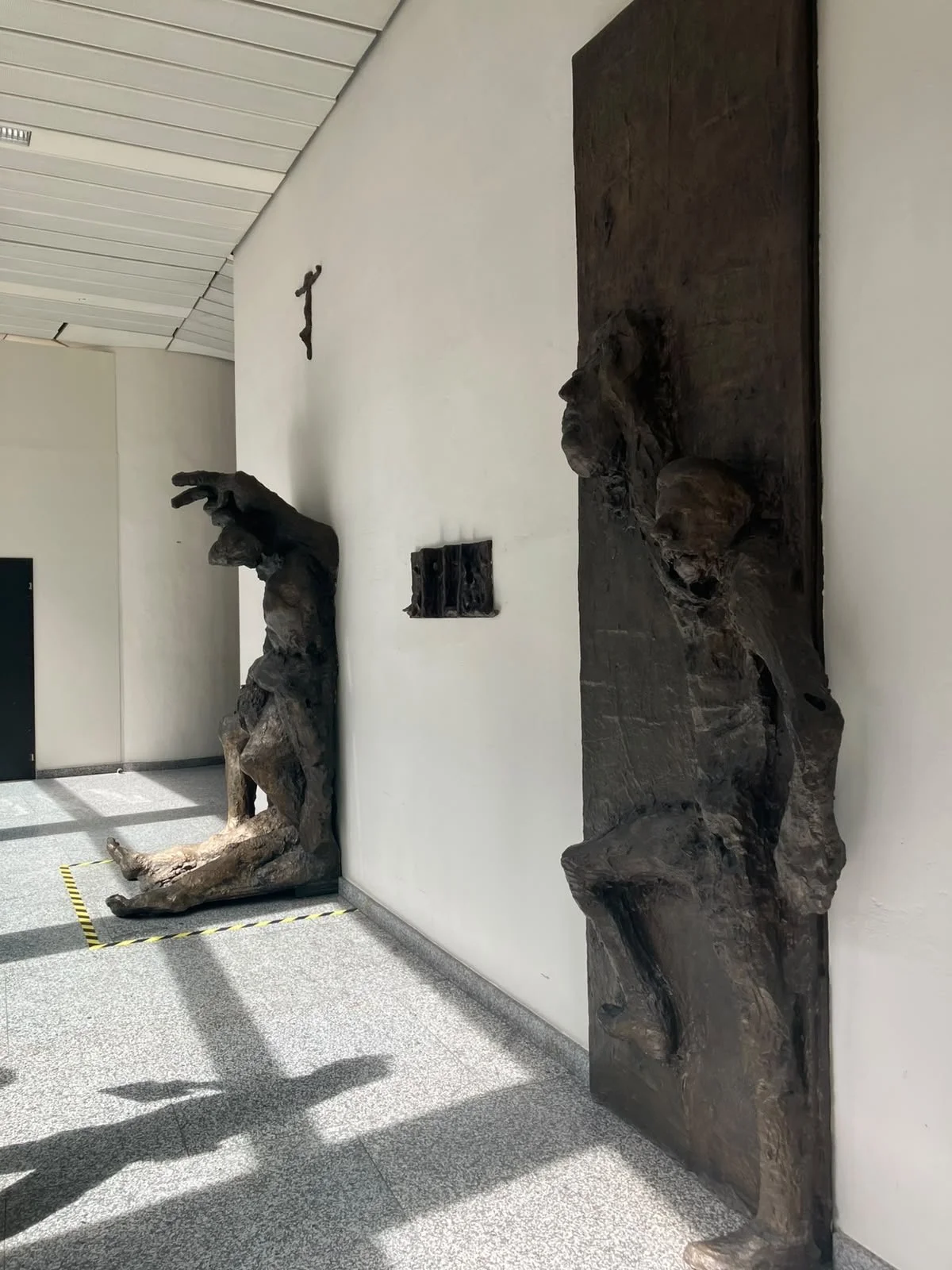
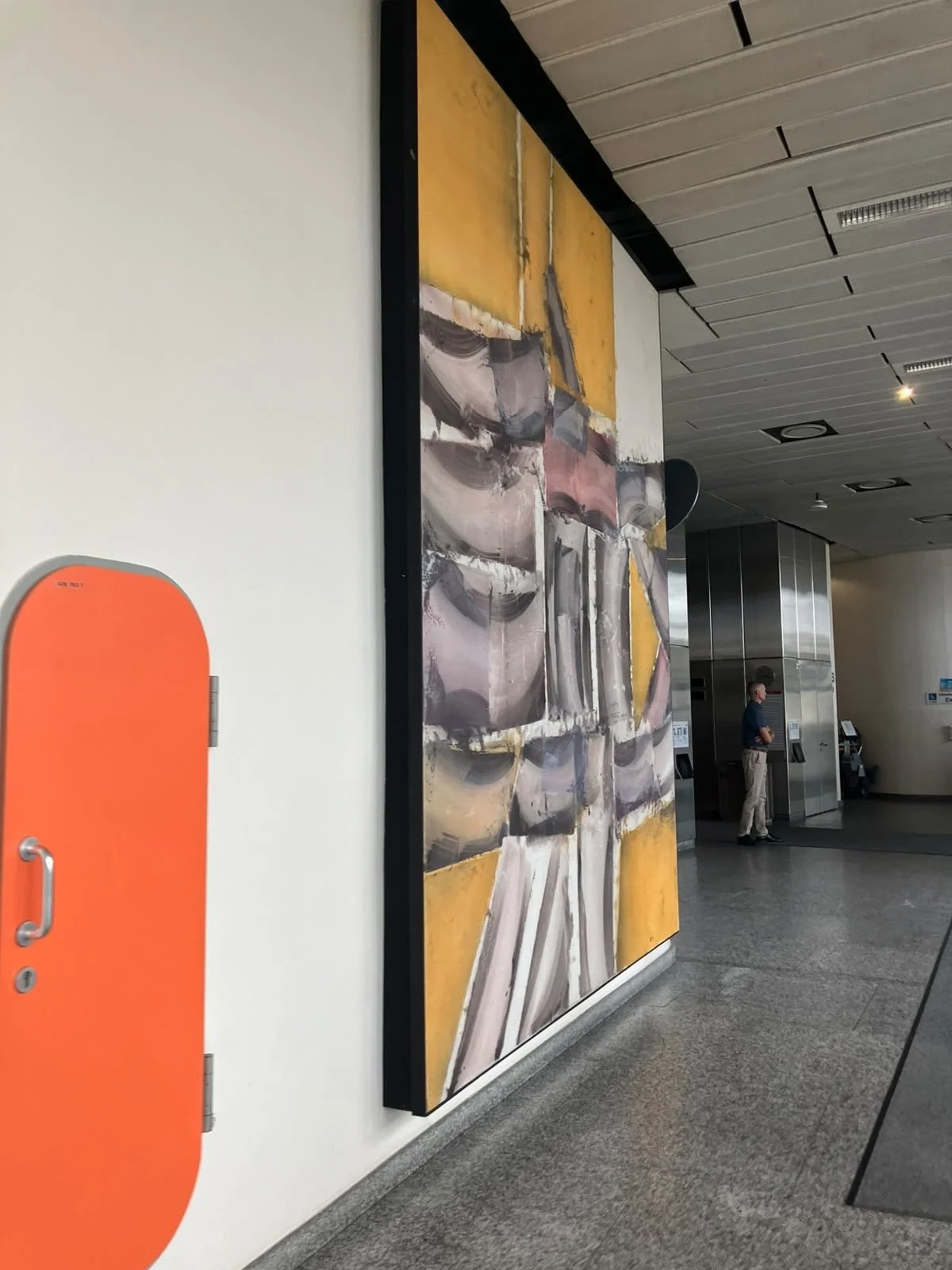
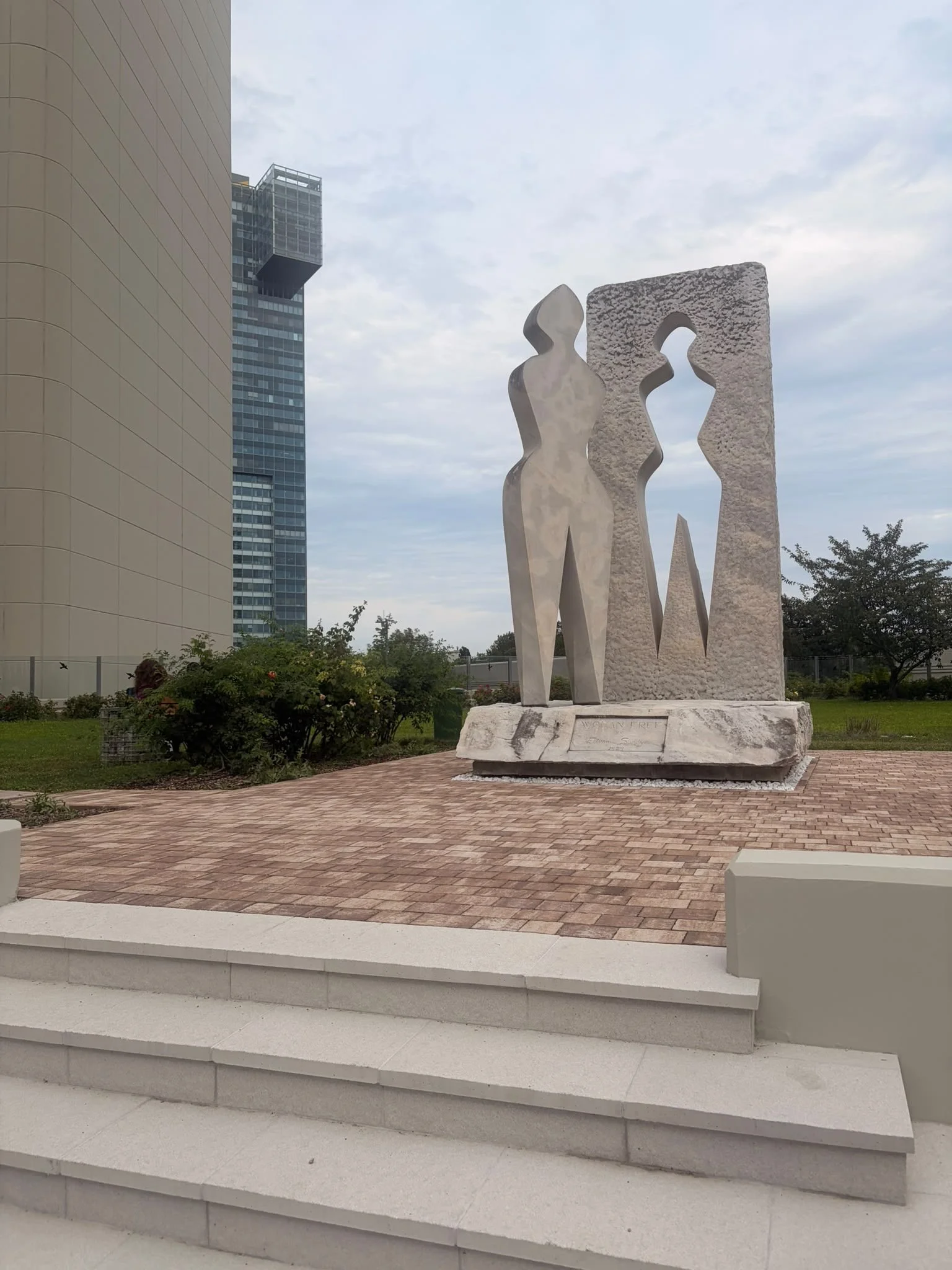
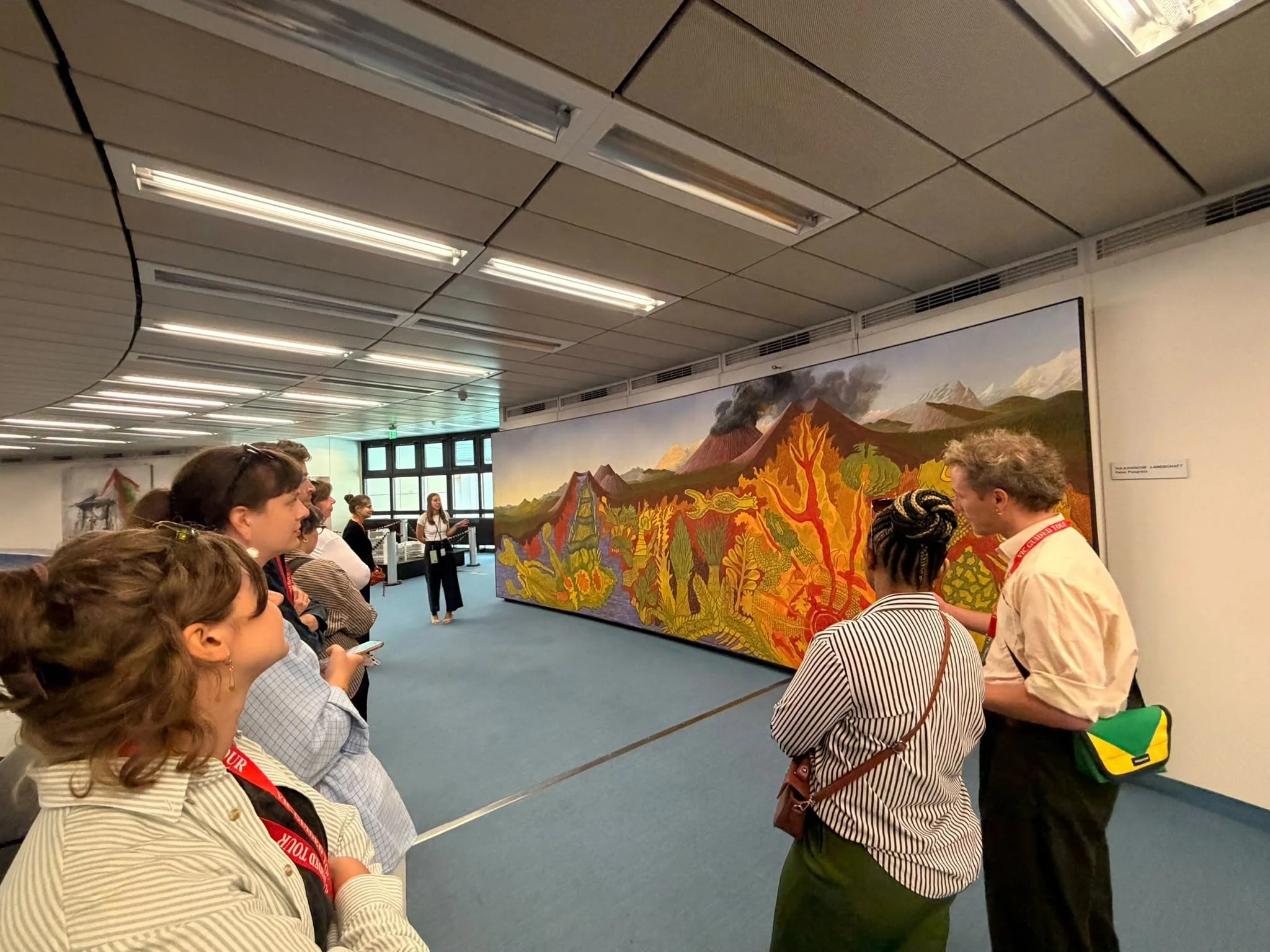
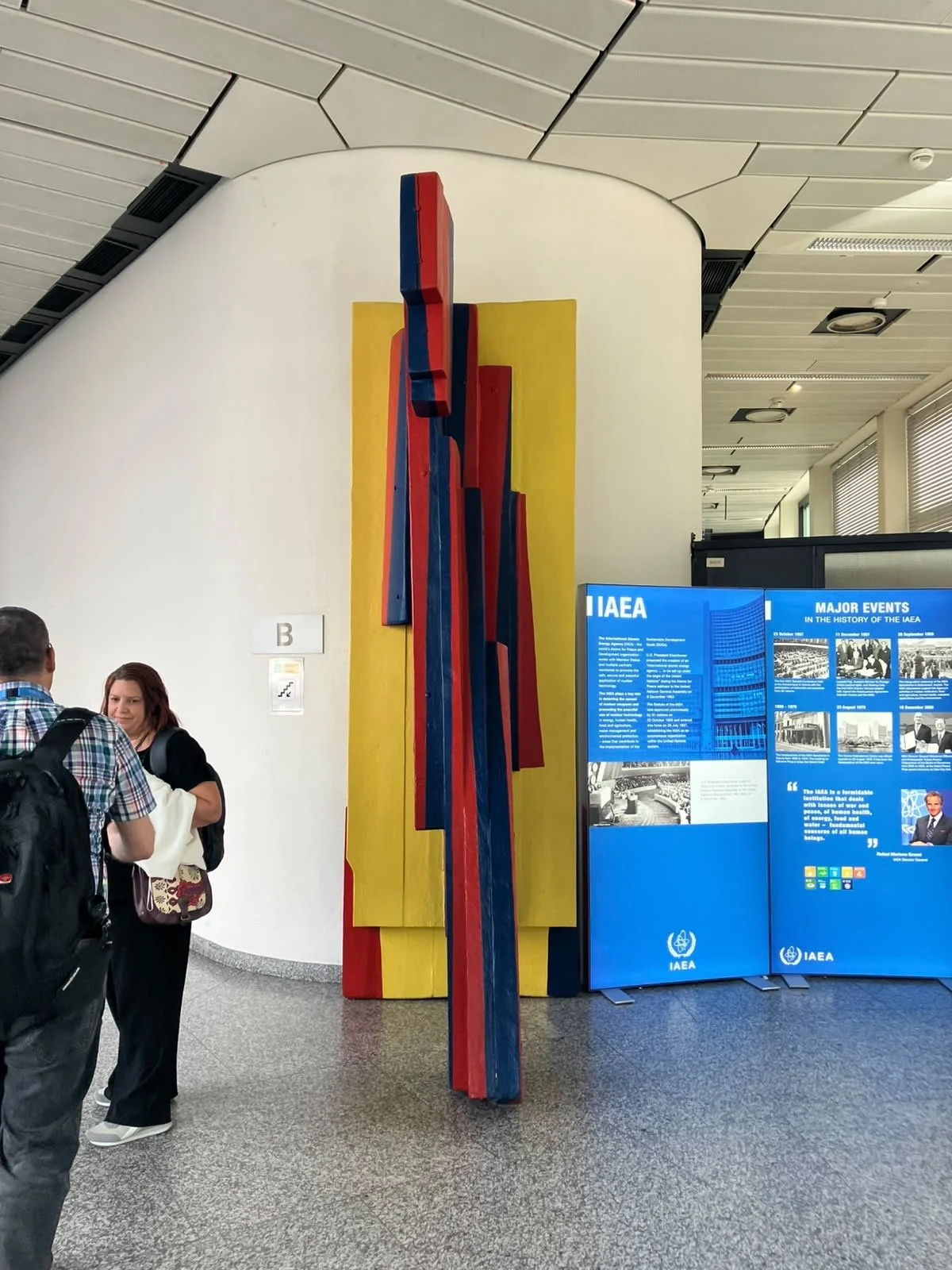
A substantial part of the collection dates back to the opening of the VIC. Austria, as the host country, assembled a representative selection of post-war Austrian art for the new international center, with works acquired or commissioned specifically for the building. The resulting group includes prominent figures in Austrian art history, among them Friedensreich Hundertwasser, Martha Jungwirth, and Hermann Nitsch. Encountering these works in the corridors, conference areas and other working spaces of the UN also raised questions about context. The works are accompanied by little to no information, even where their political or art historical background might invite a more extensive explanation.
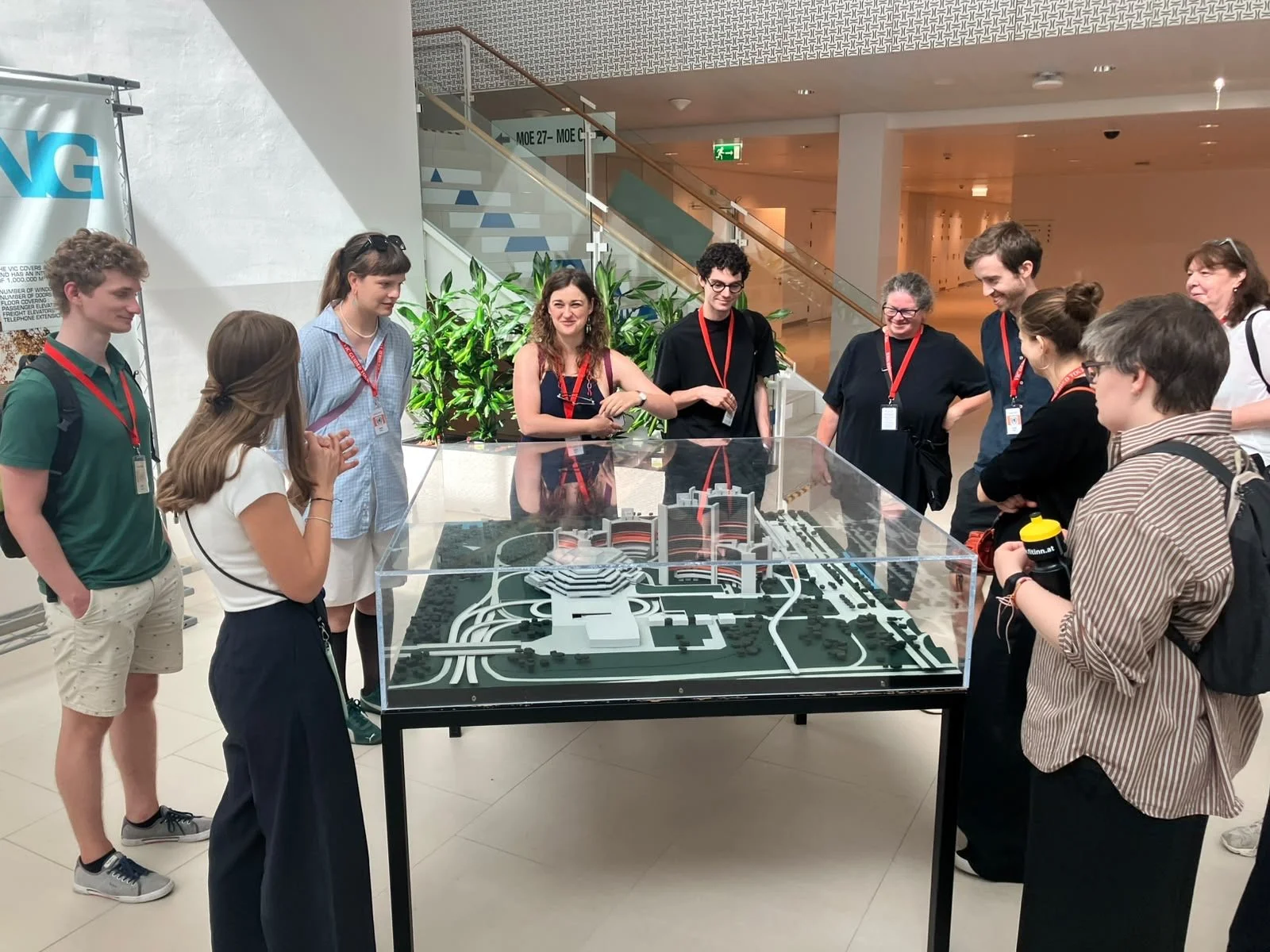
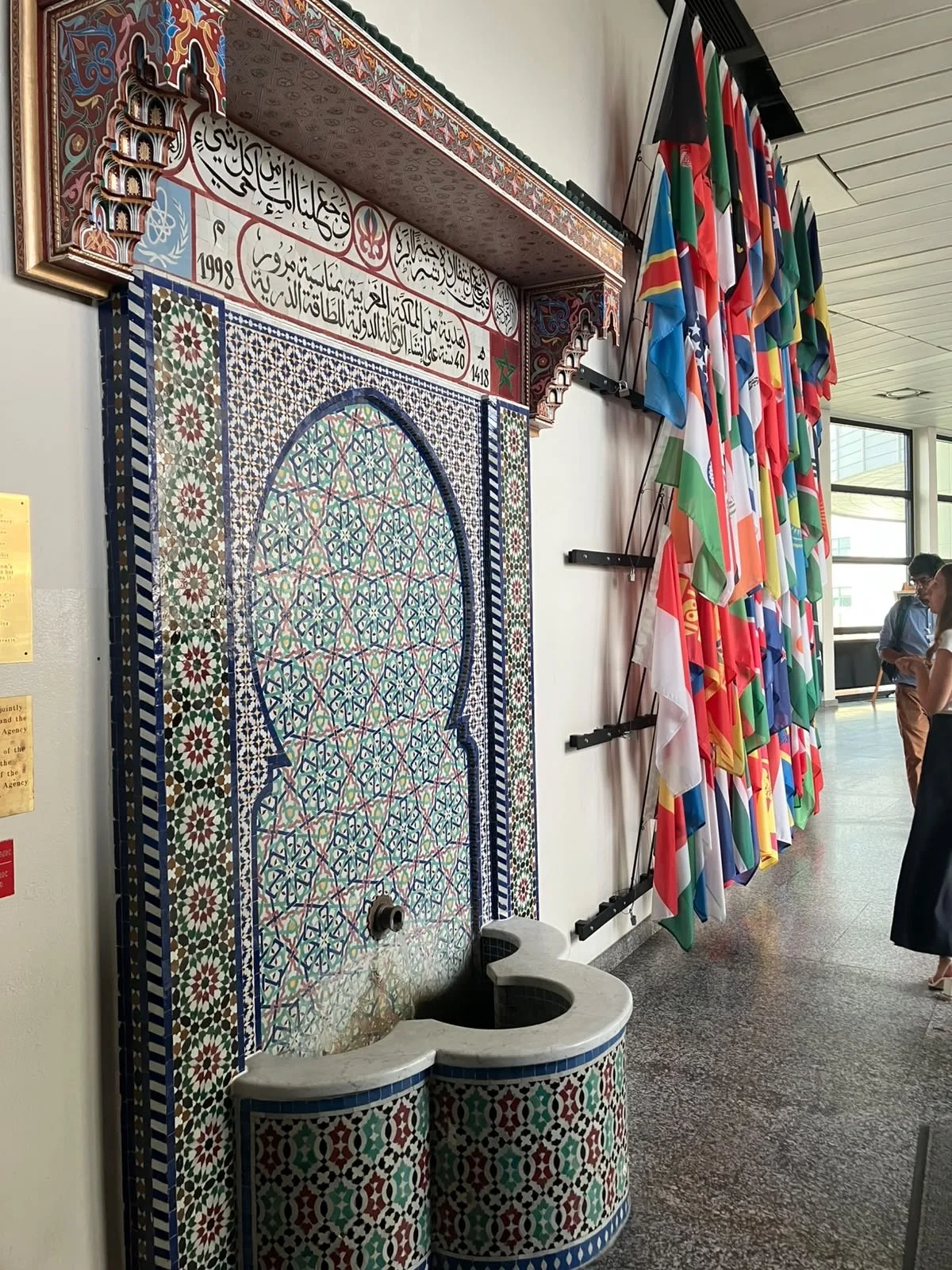
Alongside this Austrian core, the UN houses an international collection that developed in a rather different way. Instead of being assembled through a single selection process, it has grown over time, largely through diplomatic gifts from member states. As our guide explained, these objects were often presented in connection with particular diplomatic occasions or anniversaries, meaning that their histories are closely tied to the relationships between the United Nations and the countries that donated them.
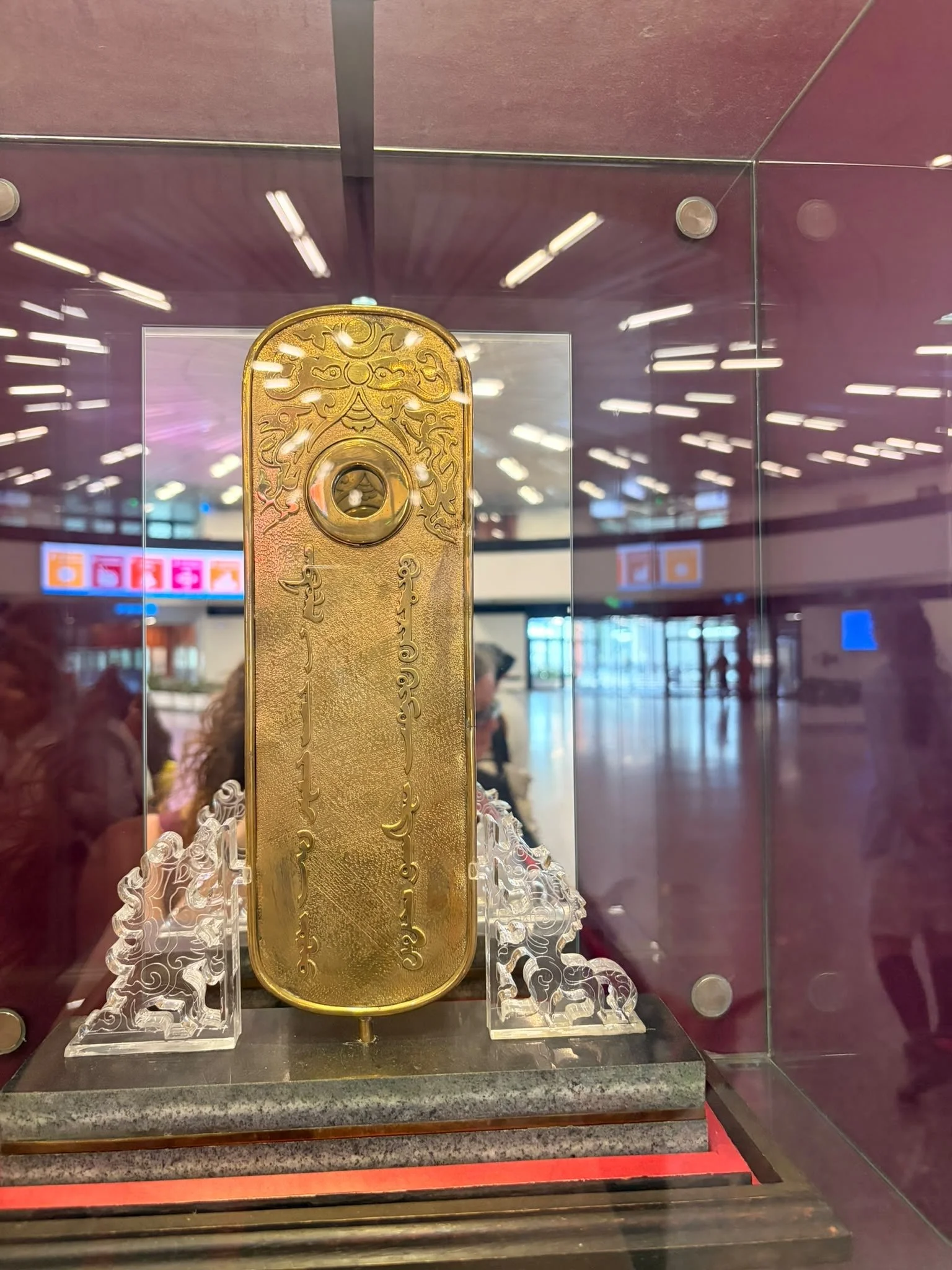
One example was a Mongolian gerege, a metal tablet of a type used by officials and envoys in the Mongol Empire during the thirteenth and fourteenth centuries. Functioning as an early form of diplomatic passport, a gerege allowed its bearer to travel freely and to receive provisions and horses along the way. The object presented to the United Nations in Vienna by the Government of Mongolia in 2011 therefore carries a particularly fitting association with diplomacy and the movement of envoys across political boundaries.
Throughout the tour, the meanings attached to individual works were repeatedly connected to the wider setting in which they are displayed. Ideas of diplomacy, peaceful exchange and communication provided an important framework through which the collection is presented. The visit also prompted discussion about the practical conditions of maintaining an art collection outside a museum setting. Questions of documentation and archival records become particularly visible here, as does the limited presence of sustained art historical or curatorial expertise. This unusual setting makes the collection especially interesting for thinking about what happens to art when it enters a diplomatic space, and how its meanings are shaped by the institution in which it is displayed.